
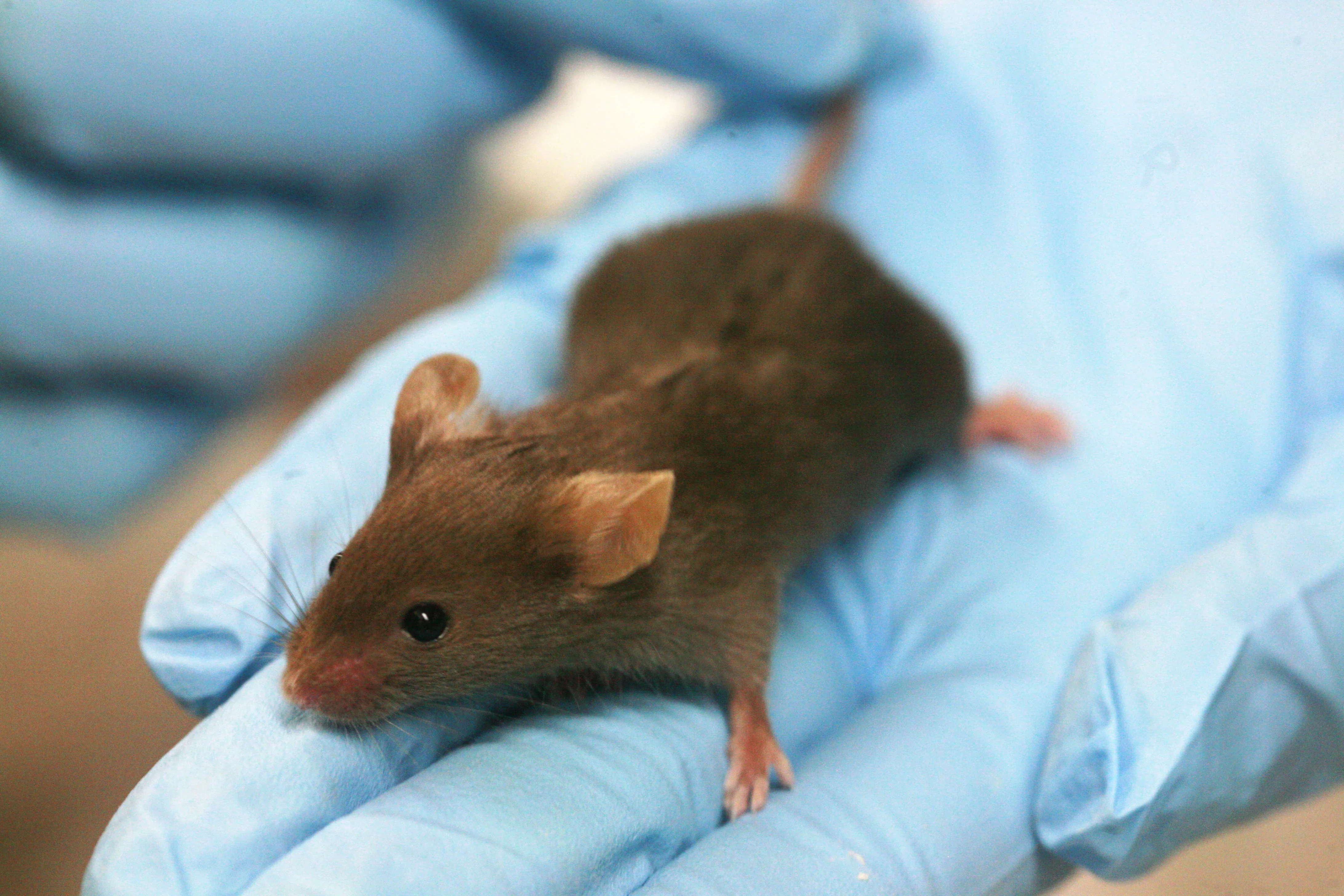
Мыши способны распознать данный запах уже в течение первых 50 миллисекунд после вдоха – и это происходит в обонятельной луковице мозга, а не в коре головного мозга. К такому выводу пришла команда из NYU Langone Health в исследовании, опубликованном в журнале "Nature Neuroscience". Результаты ставят под сомнение устоявшееся понимание того, как млекопитающие обрабатывают сенсорную информацию, и показывают, что обонятельный центр в мозге выполняет гораздо более сложные "вычисления", чем считалось до сих пор.
Как работает временная фильтрация
Команда под руководством Мюрселя Карадаса (Mursel Karadas), PhD, сосредоточилась на обработке сигналов, которые генерируют миллионы обонятельных сенсорных нейронов в носу мышей. Эти нейроны соединяются с группами нервных окончаний – клубочками (гломерулами) – в обонятельной луковице, а оттуда – с митральными и пучковыми клетками (МПК), которые передают информацию дальше.
Исследователи установили, что именно сигналы от гломерул к МПК, возникающие в первые 50 миллисекунд дыхательного цикла, определяют, какой запах "видит" мозг мыши. В процессе, который ученые называют "временной фильтрацией", самые ранние активированные нервные сигналы одновременно идентифицируют запах и подавляют более поздние импульсы – включая фоновый "шум" от других запахов.
При одном и том же аромате активируется одна и та же стартовая конфигурация сигналов, независимо от концентрации пахнущего вещества. Это позволяет мышам распознавать запах как при слабой, так и при сильной интенсивности, не путаясь в изменении силы стимула.
"Наши результаты ставят под вопрос фундаментальное представление об обработке сенсорной информации у млекопитающих – а именно, что эти мозговые вычисления выполняются преимущественно в коре головного мозга", – говорит один из ведущих авторов, Дмитрий Ринберг, профессор нейронауки в Медицинской школе "Гроссман" Нью-Йоркского университета. "Работа также впервые показывает, как мыши, а вероятно, и люди, используют временную фильтрацию для различения запахов."
Более широкий контекст и будущие приложения
Исследование стало возможным благодаря прецизионной оптогенетике – методу, при котором световые импульсы используются для активации или подавления конкретных нейронов – и новому типу микроскопа для картирования нейронных цепей, разработанному Карадасом. Устройство позволяет команде стимулировать и отслеживать нервные сигналы во внешних слоях обонятельной луковицы с высокой точностью.
Со-руководитель исследования, доцент Шай Шохам, директор Института "Tech4Health" при NYU Langone Health, отмечает, что полученные результаты ставят принципиальные вопросы о роли коры головного мозга в обработке сенсорных сигналов. Он напоминает, что и при зрении последние открытия показывают схожую картину: сетчатка в глазу участвует в распознавании объектов еще до того, как сигналы достигнут коры.
По словам Шохама, концепция временной фильтрации может найти место и в искусственном интеллекте, ускорив обработку больших объемов сенсорной информации. Вместо сложных вычислений на более позднем этапе, системы могут "учиться" полагаться на самые ранние и самые надежные сигналы.
На следующих этапах команда планирует исследовать, как временная фильтрация помогает различать близкие по характеру запахи – например, лимон и апельсин. Подобные результаты могли бы прояснить не только то, как работает обоняние у млекопитающих, но и то, как мозг в целом превращает быстрые, шумные сигналы в ясные и стабильные восприятия.





Комментарии (12)
Абе хора, к'во става с науките бе? Всеки ден някой открива нещо ново... 50 милисекунди?! Мишоците наистина са доста бързи. Интересно ми е как това ще се приложи на практика - дали ще правят някакви нови сензори или не знам. Важното е да не се използва за нещо лошо, както обикновено става ама... Да видим к
Хм, доста любопитно. 50 милисекунди?! Не съм очаквал толкова кратко време за обработка на миризмите. Интересно е как това ново зна
Абе, сериозно ли? Мишките разпознават миризми за половин секунда? Какво останаха мозъците ни тогава, а? Да не би да сме по-бавно от мишоците?! Хммм... интересно
абе, сериозно ли? 50 милисекунди?! мишоците по-бързи от нас явно! 😅 и то за миризми, а аз не мога да си спомня какво ядох преди час... да
Ебати, сериозно ли? 50 милисекунди?! А