

What if, instead of looking at Bulgaria through a hotel window, someone invited you to their table, showed you how to knead bread, how to sew a shirt and how to tell a story by the fire? This is at the heart of community‑based tourism - a model where the locals are not a backdrop, but the real hosts of the experience. And more and more often it comes to life in Bulgarian villages.
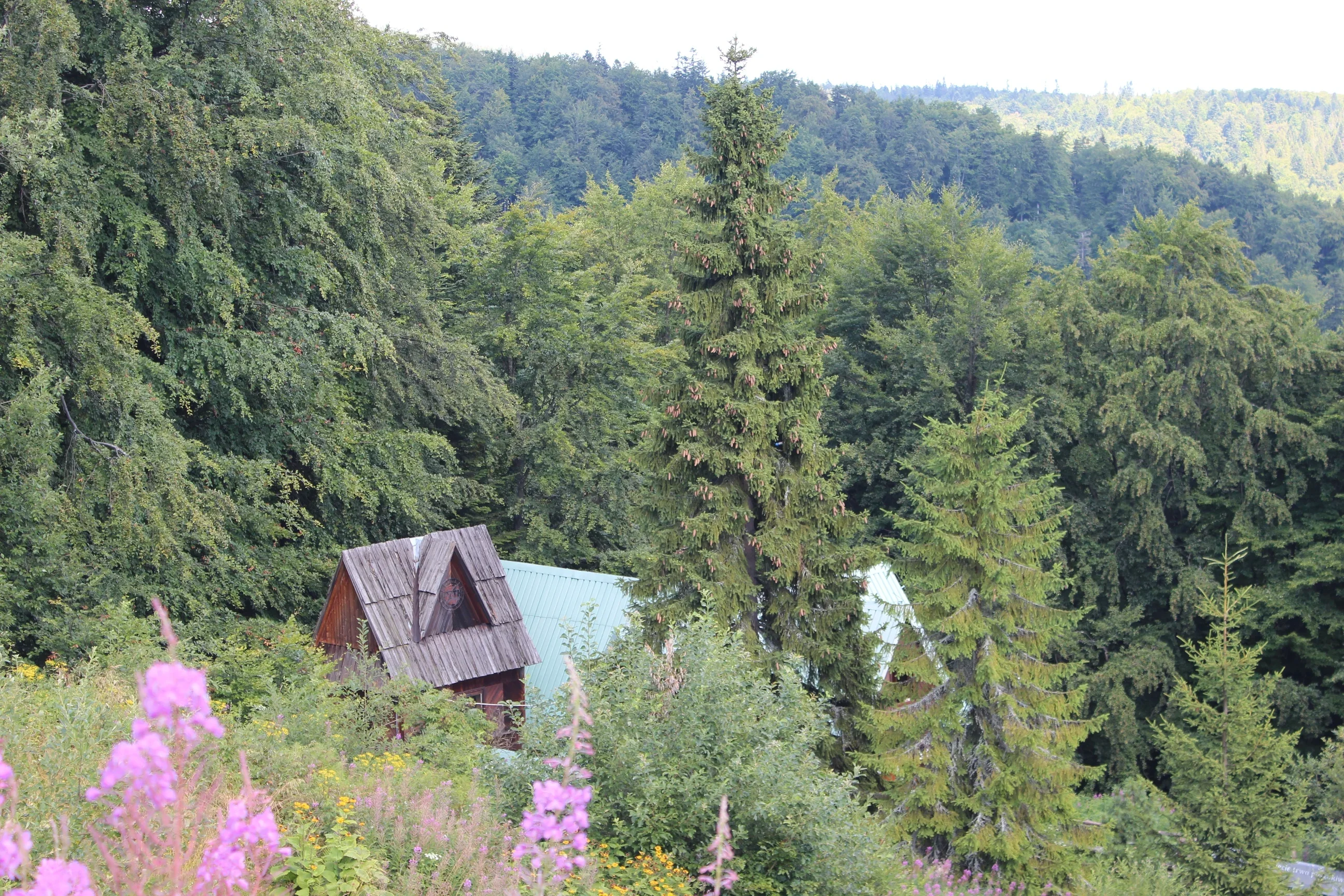
Home guest houses are the first gate to this world. Instead of impersonal rooms, tourists find themselves in family homes, where breakfast is with homemade cheese, jam from the yard and conversations about life "before and now". For many hosts, this is not just a business, but a way to stay in their village, to restore the old houses and to pass on the knowledge of their parents and grandmothers.
Culinary classes are the natural continuation of this hospitality. Guests don't just try banitsa or klin - they learn to prepare them themselves, with a rolling pin in their hand and flour on the table. In the Rhodopes and along the upper reaches of the Arda, for example, workshops are organized in which local women show how to make seasonal "spring klinas" with nettles, spinach or cabbage, telling stories about holidays and family traditions.
Folk crafts are also returning to the center of attention. Workshops in wood carving, pottery, icon painting, weaving or folk dances allow visitors to try with their own hands what the masters have kept for generations. Often the master is not just an "instructor", but a person who has devoted his whole life to the craft and now has the opportunity to live from it, instead of abandoning it.
Storytelling tours are another thread in this network. Instead of standard tourist tours, local guides tell about their village through personal stories - about old houses, forgotten paths, legends about rivers and peaks, about the years of resettlement and return. Sometimes the mayor of the village, the teacher or the oldest resident become "guides", and on the way they stop for a home lunch to continue the conversation.
The big difference in community‑based tourism is that the money stays where the experience happens - with the people. When a group of tourists spends the night in a family house, participates in a culinary class and buys a handmade souvenir, the income goes directly to the hosts, craftsmen, local drivers and farmers. For some villages, this is literally a second economy - a reason for young people to stay, and not to leave.
Such initiatives also fit into the broader efforts for sustainable tourism in Bulgaria. Guidelines and programs for good practices encourage precisely such forms - home visits, creative workshops, culinary and wine routes, where the tourist is a "guest" and not a "customer". The idea is simple: the more authentic and personal the experience, the stronger the effect on the local community.
Of course, this model also needs support: training for hosts, help with marketing, digital skills, clear quality standards. Many people in the villages still do not realize that what they consider a "common" way of life - recipes, songs, skills, stories - is actually a wealth for which guests are willing to pay fairly. Once they believe it, the village starts to change.
Community‑based tourism does not promise quick enrichment, but it gives something more important - an opportunity for small places to stay alive. Home guest houses, culinary classes, craft workshops and storytelling tours bring back the meaning of the words "host", "guest" and "community". And they show that the strongest Bulgarian stories are not always told by large hotels and resorts, but by people who open the door of their own home.

Comments (15)
Абе, вие го гледате ли тва нещо? "Гостът ни е сосед"... хах, хубаво заглавие! Ама да видим дали наистина ЩЕ се получи нещо, а не само лаладжии и празни думи.
Ахах, готино! Селата да оживеят е яко, наистина. Дано хората в тях са свестни
Абе, сериозно ли? "Гостът ни е сосед"... Да не би да гледат на туристите като на съседи, дето им правят
Ох, ама наистина страхотна новина! Честно казано, много съм развълнуван да видя такива инициативи – community-based туризъмът е точно това, което ни трябва на България! Не че нещо против големите инвестиции, разбира се, но понякога така става, че за малко парички си мислят, че ще оправиш едно цяло село. А истинската сила е в хората, които живеят там 😡
Ей, здравейте! Видях новината за community туризма... Интересно прозвучава, наистина. И аз съм за подкрепа на нашите села, ама да не се залъгваме – "community" звучи добре, но как ще го направим така, че **наистина** да е в полза на местните? Не става само с домакини и разказване на истории.