
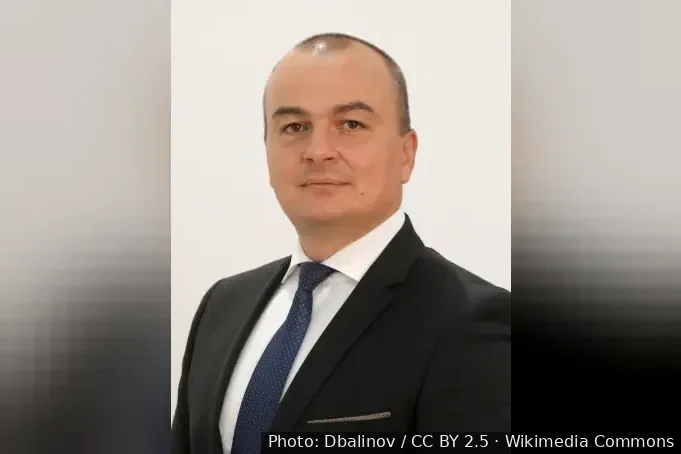
Bulgaria's agriculture ministry will spend €35m on water and irrigation in 2027, making them its top priority, minister Plamen Abrovski said at a briefing in Sofia. The plans include the ministry's own cloud-seeding project and a preliminary study for the Malak Preslavets irrigation system in Dobruja.
"Without water there is no farming, without science there is no prosperity," said Abrovski, who presented the ministry's priorities and draft budget. Every irrigation canal in the country will be listed and digitised, starting with those of the state-owned company Irrigation Systems (Napoitelni Sistemi). This year the company will also launch a system to track water levels and volumes in its irrigation reservoirs. Every hour, it will tell the ministry how much water is available for irrigation in Bulgaria.
A similar system is being prepared for the 19 reservoirs of strategic and national importance that the ministry owns. Abrovski said it has two aims: to give early warning when water levels rise sharply, so that tragedies are avoided, and to show clearly how much water farmers can use. Little has been invested in the reservoirs in recent years, the minister said. For that reason, all Irrigation Systems reservoirs will get design work, so that there are data on their condition and ready projects for any repairs.
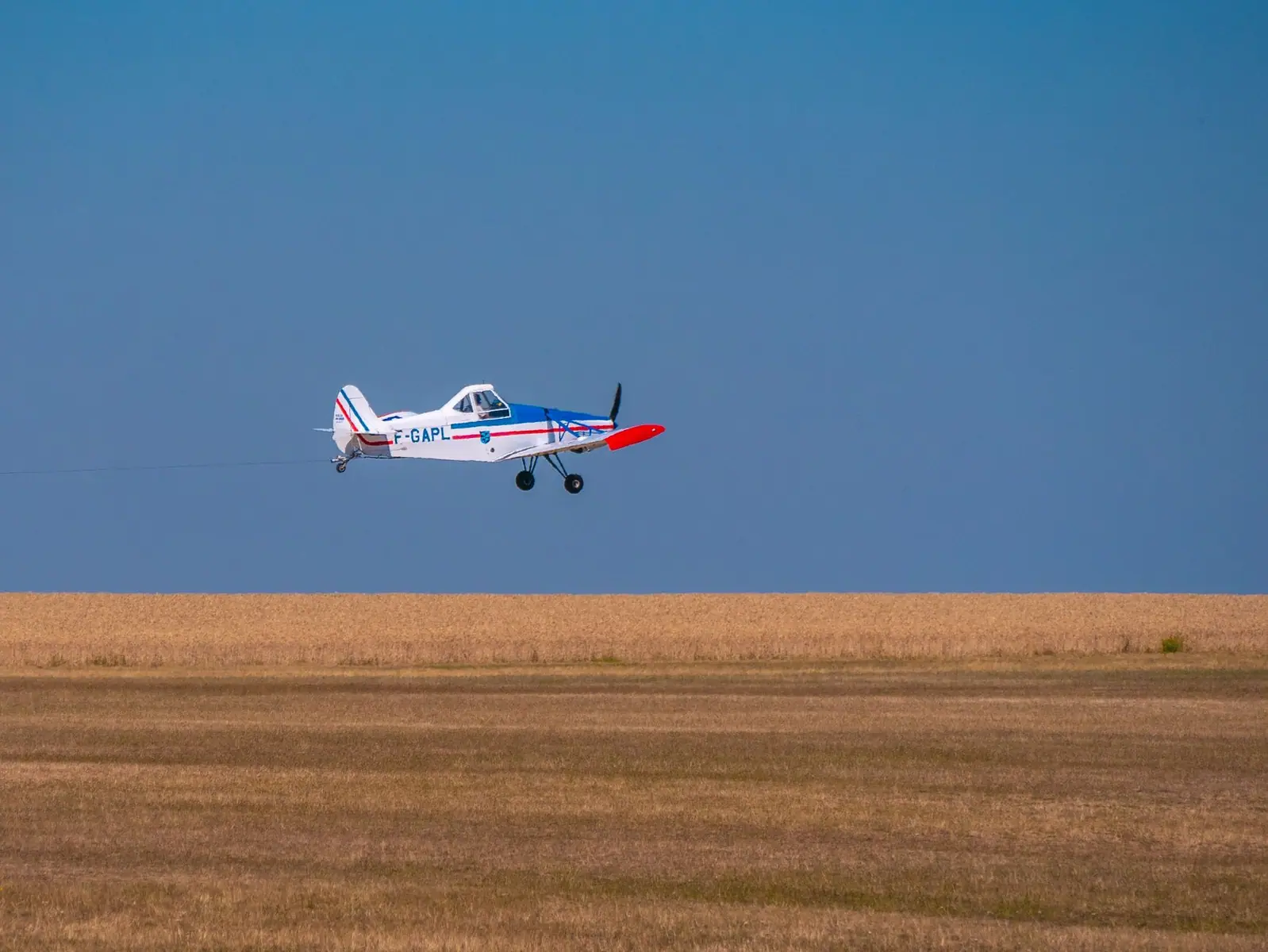
Abrovski said neighbouring Romania has used cloud seeding for years. "This is not a boutique technology. This is a technology that is already in use and has proved its effect," he said. He said every drop of water from nature should be counted in the state's water balance. As an example, he said one extra centimetre of snow in the mountains equals millions of litres of controlled water.
The Malak Preslavets study will cover the first stage of the system. The state began building it in the 1980s and put up a pumping station near Tutrakan. It abandoned the site in the 1990s, and the pumps are now gone. The first stage alone would irrigate more than 400,000 decares. After the second stage, the system will cover more than 1m decares across Dobruja.
In 2027 farmers will receive more than €1.9bn in payments. More than €1.6bn of this is EU money in the budget of the State Fund Agriculture. Direct payments come to €850m and include income support for small and medium farms, eco-schemes and coupled support. Some €660m is set aside for rural development under all strands of the Strategic Plan for the Development of Agriculture. Investment and market support for grape and wine growing, beekeeping, and fruit and vegetables gets €93m. Fisheries and aquaculture get €25m. State aid from the national budget is €230m, and another €51m is set aside to refund part of the excise duty on diesel used in farming.
The Agricultural Academy will get €46.3m, which is €3m more than in 2026. The minister said science must be more closely tied to the needs of farmers. Money is also set aside to start a full national forest inventory. Abrovski said forests cannot develop without full information about them.
Pay in the administration will rise by 5% to offset inflation, so that staff keep their net income when the contribution system changes in 2027. Units under the ministry will lose a total of 757 posts.
Comments (0)
No comments yet.