
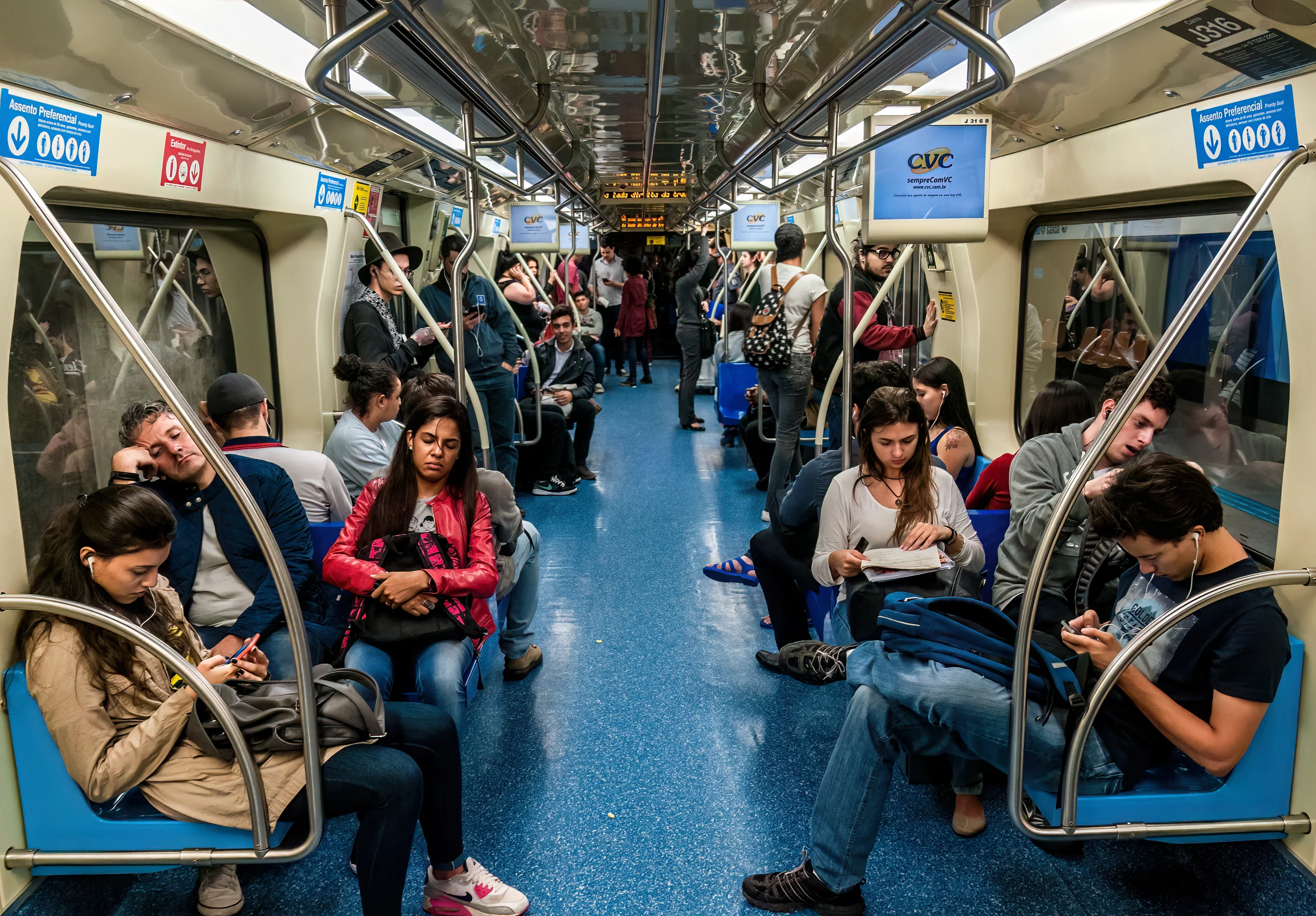
If you ask people around you how they are, the chance of hearing "I'm tired" is much greater than "I'm fine." It's not about that natural type of fatigue after a long day or physical exertion, but about a background exhaustion that doesn't disappear completely either after a weekend or after a vacation. More and more often people describe that they wake up with the feeling that the day is already weighing on them, and the whole language around us has changed - from the joking "permanent burnout" to the serious "I don't remember what it's like to wake up rested anymore".
"Always tired" as the new normal
In recent years, everyday life is less and less often described as "busy" and more and more often as an "endless marathon". Social networks are full of memes about being in your 30s and feeling like you're in your 60s, and in many teams, fatigue is almost a form of belonging - if you're not exhausted, it's like you "don't try hard enough".
The problem is that when we constantly hear and say "everyone is tired", the line between normal fatigue and chronic exhaustion begins to blur. We get used to accepting as "part of life" symptoms such as difficult concentration, irritability, constant drop in motivation and the feeling that even after 8 hours of sleep you are not truly rested. This is not just a mood, but a sign that the system we live in is working on our backs.
The difference between "I'm tired" and chronic fatigue
There is a huge difference between ordinary, temporary fatigue and chronic exhaustion or medical conditions such as chronic fatigue syndrome. With "normal" fatigue, a few calmer days, enough sleep and fewer engagements usually restore strength. In case of chronic exhaustion, a person remains empty even after rest - and ordinary tasks like shopping or a few hours of work weigh as much as climbing a mountain.
When fatigue becomes a constant background, the brain and body go into survival mode - productivity drops, but so does the quality of life. Things that once brought joy - hobbies, meetings, movement - suddenly seem "too much" because there is simply no resource. At such a moment, many people blame themselves for being "lazy" or "disorganized", instead of seeing that they are living in a sustainable energy deficit.
Modern life as a fatigue factory
One of the reasons "always tired" sounds normal is the way today's world is arranged. Many people work in an environment where the workload is constantly increasing, and the resources - time, support, clear rules - fail to catch up. The first step towards burnout is often "emotional exhaustion" - the feeling that you have no strength, either physically or mentally, and that your main goal is simply to "get through the day".
To this is added the "new normal" of digital work - emails and messages outside of working hours, constant notifications, video meetings without end. Remote work gives flexibility, but often blurs the line between work and personal life and leaves people in an "always available" mode. When the brain is almost constantly in a state of stress and readiness to react, fatigue is no longer an exception, but a logical result.
The body is not designed for constant "fight or flight"
The problem is not only "in the head". Under chronic stress, the body releases more cortisol - a hormone that helps us react in the event of a threat, raising the heart rate and keeping us alert. When this condition becomes everyday, it begins to interfere with sleep, recovery and the natural rhythms by which the body regenerates.
The so-called "cleaning" system of the brain also suffers - during sleep, it literally clears out accumulated waste substances. If sleep is fragmented, insufficient or chaotic, this "cleaning" is incomplete, and it is not surprising that the next day we feel heavy, slowed down and "dizzy", even if we have formally slept enough hours.
Artificial days, broken nights and "hungry" energy
The modern environment blurs the line between day and night. Screens, bright light and late scrolling mislead our internal clock that it is still daytime. This suppresses natural melatonin and prevents the entry into deep, restorative sleep - precisely the one without which we wake up in the morning more "survived" than rested.
And food has its role - many people live on "fast" calories, rich in sugar and fat, but poor in vitamins and minerals. The lack of key substances such as vitamin D, B12 or magnesium directly affects how cells produce energy and how oxygen is distributed in the body. The paradox is that you can eat a lot, but feel energy "hungry".
When fatigue turns into culture
In addition to biology and work, there is also a cultural layer - the culture of "heroic fatigue". In many environments, it is more acceptable to say that you "work late and are on the edge" than to admit that you need rest. Fatigue becomes a kind of status symbol - proof that you are busy, sought after, important.
This type of attitude turns rest into a "luxury" or a sign of weakness. When the way we organize our lives puts productivity above health, people begin to be proud that they do not allow themselves rest. This is a dangerous message: that bringing yourself to chronic exhaustion is a normal price for success, and not an alarm that the system - personal and social - needs repair.
What chronic fatigue tells us about the arrangement of our lives
The fact that "always tired" feels normal does not speak of a mass "character defect", but of the way we have arranged reality. High expectations, uncertain incomes, lack of stable working hours, constant comparison with others online - all this stretches personal boundaries and turns the day into an endless list of tasks, without real time for recovery.
When an organization or society accepts that people are "consumable" - easily replaceable, always available and always ready for more - chronic fatigue becomes almost inevitable. That is why there is more and more talk about the need for change not only at the individual level (more sleep, exercise, better food), but also at the level of policies and work culture: reasonable workloads, clear boundaries, leadership that does not reward exhaustion as a standard.
What can we do - beyond "sleep more"
Admitting that "always tired" is not normal is the first step. Then come the practical solutions - medical consultation in case of prolonged fatigue, change in sleep, exercise and nutrition, but also an honest conversation about the workload and personal boundaries. Sometimes the biggest change comes not from another supplement, but from a clear "no" to another project, overtime or expectation that we should be online around the clock.
At the organization level, more and more companies are beginning to understand that people are not machines - they introduce recharge days, limit unnecessary meetings, teach managers to recognize signs of burnout and talk about them without clichés. This is not a whim, but an investment - in healthier and more sustainable teams that can work and live well not for a week, but for years to come.
Ultimately, normalized chronic fatigue is a mirror - it shows us that the way we have organized our lives and work is often incompatible with our human limits. The question is not how to adapt even more to this regime, but how to rearrange it so that "I felt rested" does not sound like an exception, but as something completely normal.



Comments (12)
Ей, здравейте! 😅
абе, сериозно ли? 🤦♀️ всички сме изморени, ясно е. но да
ехее, верно казано! и аз съм постоянно уморен... да вземем да си пуснем едно по-дълго от
Абе то е ясно, че всички са изморени... ама кво да праим? Животът си вър
яко сте го казали! ама честно, направо ме е яд да го кажа – всеки втори си е такъв. работата става все по-тежка, стресът ни подяжда... и как да не сме изморени? трябва да се научим да си правим малко почивки, че