
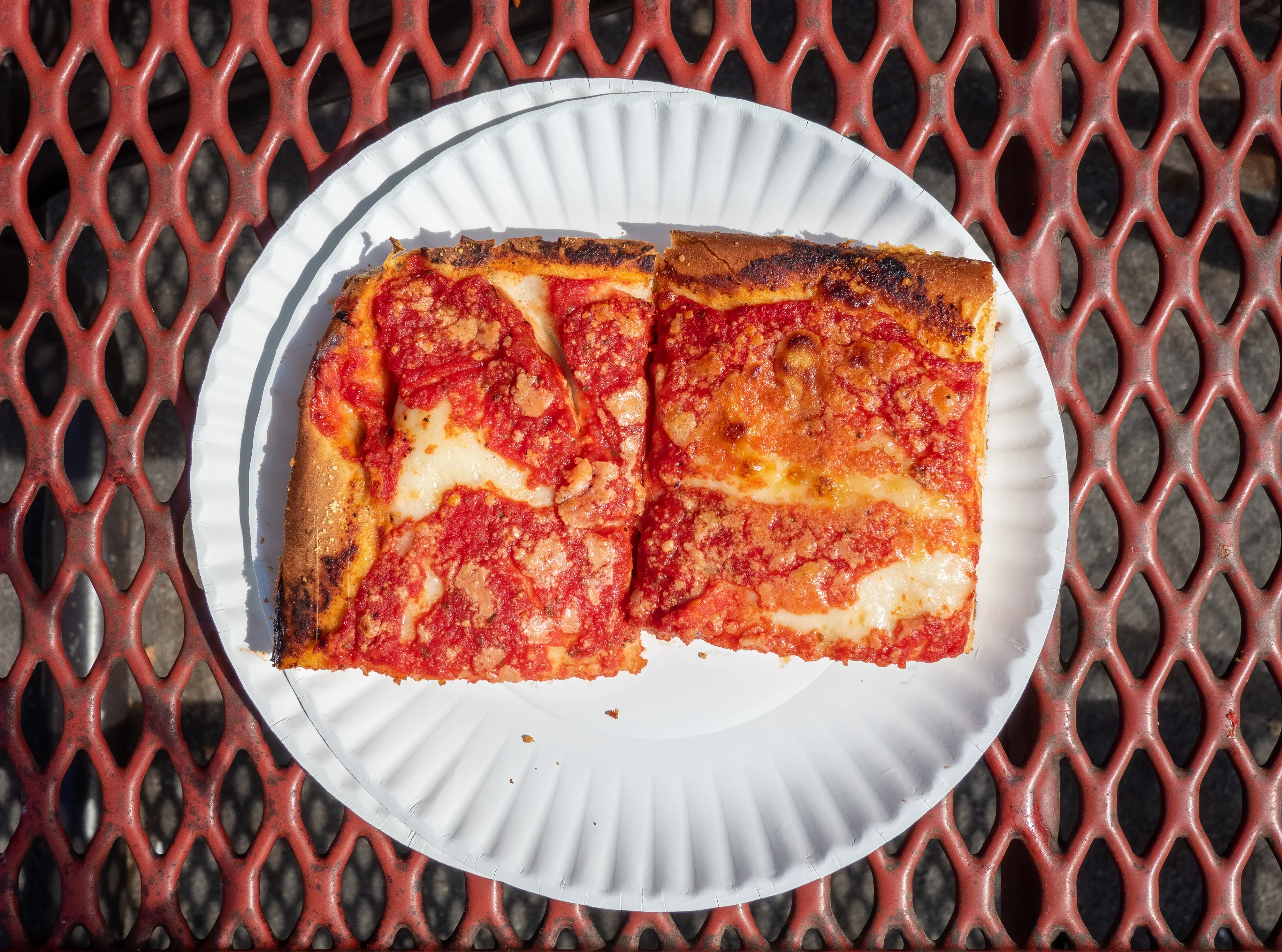
Pizza after an exhausting day, chocolate as a "reward" when we are at the end of our rope, or chips because "I'm just bored" - if you recognize yourself in these situations, you have probably faced emotional overeating. Instead of eating to satisfy physical hunger, we use food as an easy way to relieve stress, calm anxiety, or fill an inner void. According to psychologists, this behavior is extremely widespread and is often at the root of weight problems, sleep problems, and self-esteem issues.
"What exactly is emotional overeating?"
Emotional, or psychogenic, overeating is a pattern of eating in which the stimulus for eating is feelings, not physical hunger. We start eating not because our stomach is empty, but because we are stressed, sad, lonely, bored, or even too happy. Fatigue and overload are also powerful triggers: when the body is exhausted, the brain looks for any possible quick source of "comfort" - and the most accessible reward often turns out to be in the refrigerator.
The characteristic of emotional overeating is that food becomes a means of mood management. We don't solve the problem that causes the stress or boredom - we just briefly drown them out with taste and calories. Then guilt and shame often follow, which again increases the tension and pushes us towards a new episode of uncontrolled eating. This forms a closed cycle: stress - food - guilt - new stress - new food.
"Stress in the brain and on the plate: how hormones change appetite"
When we are under stress, the body goes into "alert mode." Cortisol increases in the blood - the stress hormone, which increases appetite and especially the craving for sweet, fatty, and high-calorie foods. It is precisely these foods that quickly increase the levels of dopamine and serotonin - the chemicals of pleasure and temporary relief. That's why a wafer, a piece of cake, or a portion of fast food often acts as a momentary "soother".
The problem is that the effect lasts briefly. After the initial wave of pleasure comes a feeling of heaviness, regret, and self-criticism. But the brain has already "remembered" that this combination of stress + sugar + fat brings quick relief. Under the next stress, it automatically offers the same solution - more food. In chronic stress, cortisol remains high, appetite is constantly stimulated, and food gradually becomes the main tool for dealing with stress.
"Boredom, fatigue and loneliness: the quiet triggers of emotional eating"
Not only acute stress leads to emotional overeating. Chronic fatigue, monotonous days, and the feeling of loneliness are some of the most common "quiet" reasons to reach for food when we are not hungry. When we don't know what to do with our time, thoughts, or feelings, the brain looks for an easy and accessible activity - and often finds it in the refrigerator or the candy cabinet.
People who get used to suppressing their emotions and rarely allow themselves to admit that they are struggling are particularly vulnerable. For them, food often becomes the only "allowed" way to relax. It is no coincidence that many episodes of overeating happen in the evening: the day has passed, the tasks are over, but the tension builds up and seeks a way out. Where there is a lack of habit for rest, movement, communication or creativity, the plate becomes the main source of comfort.
"How to distinguish physical hunger from emotional hunger?"
There are several clear signals by which we can recognize emotional "hunger". Physical hunger comes gradually, is felt in the stomach - as emptiness, heaviness, or gurgling - and can be satisfied with different foods. After a normal meal, it disappears and a feeling of fullness and calm sets in.
Emotional hunger, on the contrary, appears suddenly and often requires a specific product: "I need chocolate right now", "I can't do without something salty and crunchy". It is not felt in the stomach, but "in the head" - as restlessness, tension, boredom or emptiness. Even after we have eaten our fill, the feeling is rarely one of satisfaction - rather, guilt and thoughts of the type "why didn't I stop again" come. If this happens often, it is probably emotional eating.
"Why emotional overeating is not just a weakness"
It is important to understand that emotional overeating does not mean "lack of will". This is a scientific response of the psyche to difficult emotions and situations. When a person does not have enough other ways to deal with stress - exercise, rest, conversation, hobbies, time for themselves - food begins to play the role of a universal "medicine" for anxiety, sadness, loneliness or boredom.
Over time, however, this mechanism leads to new problems: weight gain, unstable energy levels, sleep and digestive problems, as well as a blow to self-esteem. Many people begin to avoid social situations where there is food, or eat secretly from others. Thus, emotional overeating closes not only the "stress - food - guilt" cycle, but also the cycle of isolation.
"First steps to change: how to break the vicious cycle"
The first step is not prohibition, but awareness. It's a useful exercise to record for a few days not only what and when you eat, but also what you felt before: fatigue, tension, boredom, loneliness, joy. This gradually outlines the patterns - for example, "I always reach for sweets after a difficult conversation" or "I eat the most when I'm alone and bored".
The next step is to add alternatives to food as a way to calm down: a short walk, a few deep breaths, a shower, music, short exercises or a conversation with someone you trust. The goal is not to deprive yourself of all pleasure, but to stop relying on only one - food - to deal with all feelings.
Highly restrictive diets usually make the situation worse. The stricter the prohibitions, the more desirable and "forbidden" certain foods become - and the risk of a breakdown and overeating increases. A much more effective approach is the gradual introduction of order into the regimen: regular meals, sufficient sleep, a realistic schedule and clear boundaries in work and personal life.
"When is it time to seek help?"
If you feel that the episodes of uncontrollable eating are becoming more frequent, if you often eat secretly or are ashamed of the amounts you consume, this is a sign not to be left alone with the problem. A consultation with a psychologist, psychotherapist or psychiatrist can help you understand where the need to "eat emotions", not food, comes from, and to build healthier ways of dealing with stress.
Working with a specialist does not mean "someone will put you on a diet." It is a process in which you learn to recognize your own feelings, to give them space without drowning them in food, and to accept your body with more respect. When we take care of our emotional hunger, physical hunger again takes its normal place - and the plate ceases to be a battlefield and becomes part of a more peaceful, balanced life.




Comments (6)
Абе, я си мислех, че съм единствен луд, деба! 🤦♀️ Тоя стрес наистина е гаден – почваш да хапваш квото видиш пред очите
абе, наистина ли е толкова сложно? 😅 значи мозъкът ни си прави сметки кой е най-лесният начин да се справи със стреса... пица или шоколад? се
евала за статията! ама сериозно, кой не е преял от скука поне веднъж? 😅 не е лесно да се усети разликата между физическия и емоционал
Ей, хора! Много права статията, наистина. Аз лично съм преживявала многократно това - ей така си купувам нещо сладко като ми е тъжно или отегчено... 🤦♀️ Не е слабост, просто трябва да се научим да си намираме други начини за релакс, а
Хмм, интересно... Ами как да разбереш кога просто ти е гладно, а кога го правиш на нерви? Трудна работа, май наистина