
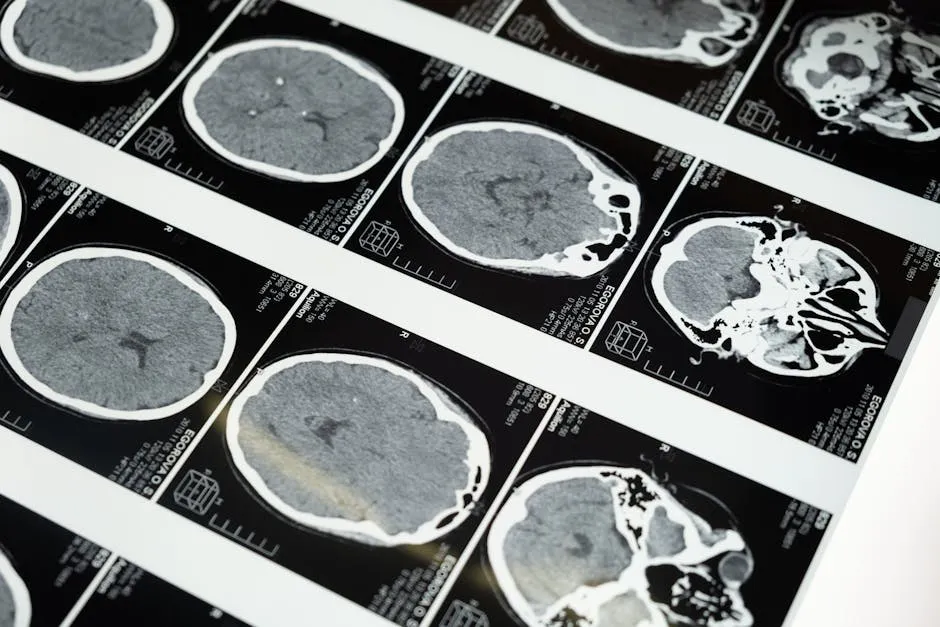
Researchers from the prestigious University of California - San Francisco published a groundbreaking study that reveals a previously unknown subtype of astrocytes with revolutionary significance for neuroscience. The newly discovered cells, called "astroformers", possess unique characteristics that distinguish them from traditional star-shaped cells.
Through precise scientific methodology, including functional MRI, optogenetic techniques, and in-depth experimental modeling on laboratory mice, specialists found that these cells are activated during deep sleep and play a crucial role in communication processes between neurons in the hippocampus.
A key discovery is the ability of "astroformers" to "label" newly received information, which substantially facilitates its long-term storage and consolidation. This mechanism may offer a fundamentally new approach to understanding and potentially treating neurodegenerative diseases such as Alzheimer's, where memory processes are seriously compromised.
The scientific community defines the published study as potentially transformative, which may open new horizons in neurobiology and neuromedicine.

Comments (0)
No comments yet.