
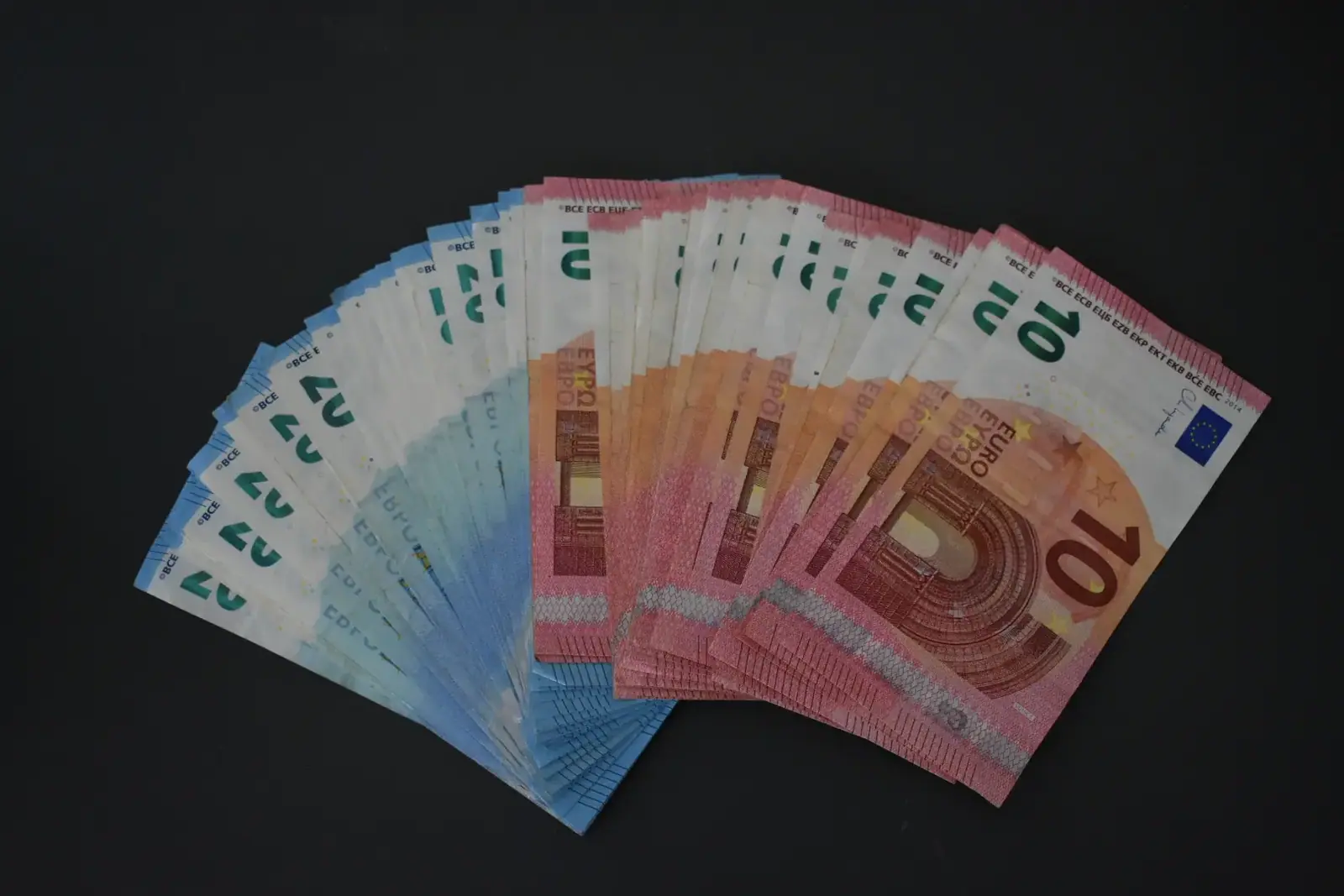
The government plans to raise the cap on pay used to calculate social security contributions to €2,400 a month from 1 January, according to its draft budget for next year. This is the highest salary on which contributions are paid. The cap is now €2,300.
The rise of €100 is the second in less than a year. In August the cap went up from €2,111 to €2,300.
The finance ministry says the change will bring the budget €265m. Economists see it as part of the cabinet's effort to cover the gap in the budget. Adrian Nikolov of the Institute for Market Economics says the effect comes from adding up many small steps. Together with the others, this one could cut the deficit, the gap between state spending and income, to the target level, possibly as soon as next year.
The higher cap also raises costs for firms. The head of an IT company has worked out that each of his staff will cost him about €150 more a year. The firm will most likely delay or stop pay rises as a result. He will tell his staff that the state made the decision and the company cannot fully make up for it.
He asks what his staff will get from the state for their bigger contributions. He says they expect better education, healthcare, infrastructure and social policy. Taxes should improve people's lives, he says, but he sees no change.
Trade unions back the step. They say higher contributions allow for higher pensions and more income for the National Social Security Institute (NOI).
Economists say the step will not cut consumer spending, because it hits people with high incomes who do not have to cut back on what they spend.





Comments (0)
No comments yet.