
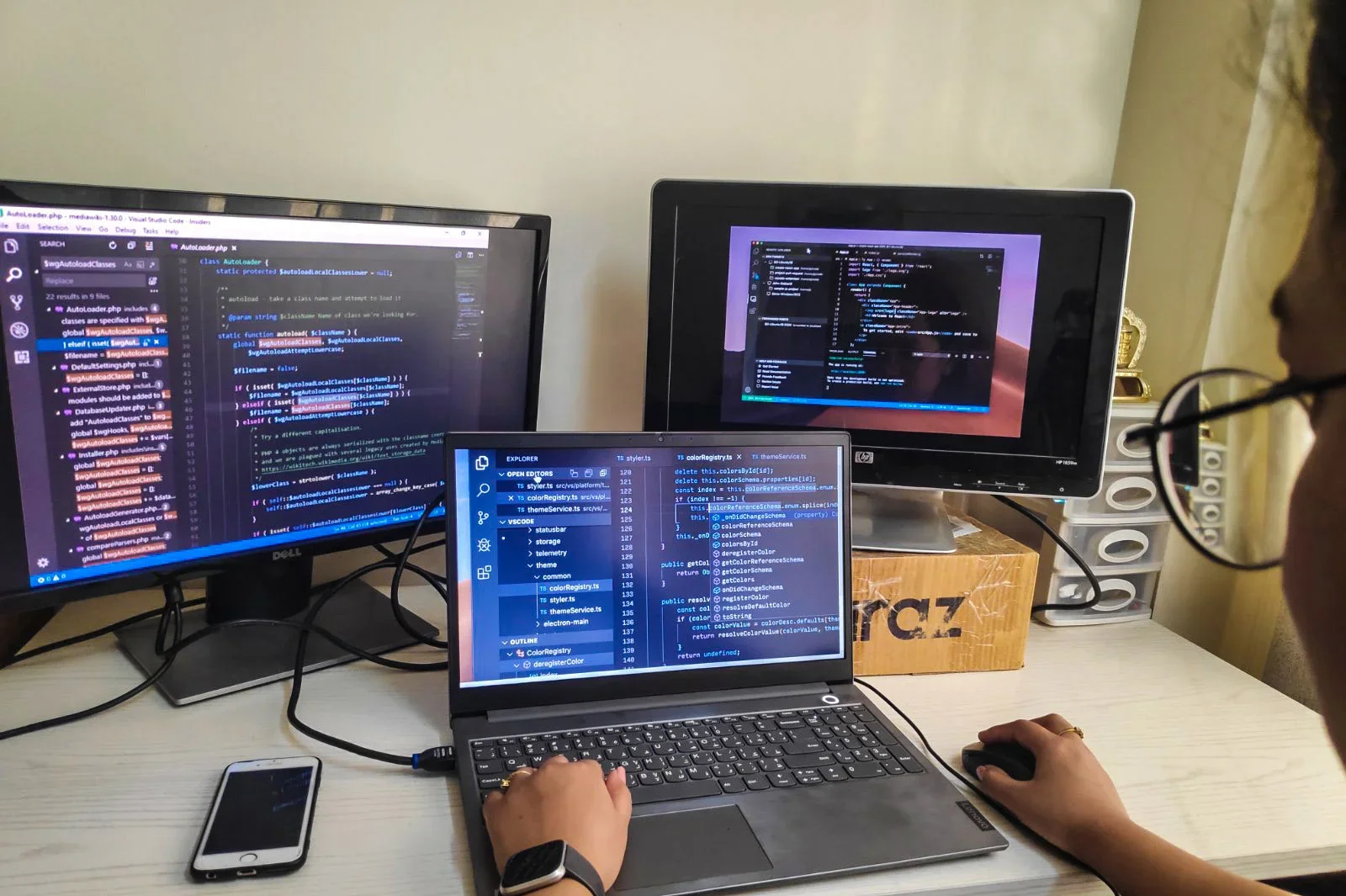
Freelance, "remote", project contract, platform instead of employer – for people under 35 this is often the normal path, not an "unconventional choice". The generation that entered the labor market with a smartphone in hand and a profile on several platforms, pushed forward the idea that a career can consist of a series of projects, not a single "lifelong" employer. The question becomes more acute when we look a little further ahead: what does this "gig"-economy mean for people 40+ and for pension systems that are built around a different reality?
Freedom and flexibility – but at what price after 40?
For many people around and over 40, freelancing and gig-work are either a "second career" after corporate burnout or a forced choice after layoffs. In the short term, the advantages are clear: more control over time, the ability to choose projects, the freedom to work from different places. Many specialists at this age use freelancing to stay active without going through the stress of office politics and hierarchies.
But over the years, other numbers also come to the fore: irregular income, periods without orders, lack of paid leave and sick leave, higher personal insurance contributions. If at 25 "there is no problem" to earn a few weaker months, at 45, with a loan and children, this means anxious nights, not a "temporary adventure".
Gig-economy without social buffers
Classic employment – like it or not – comes with a package of social protections: the employer covers part of the insurance, there is paid leave, sick leave, unemployment benefits and automatic pension contributions. In the gig model, a large part of these buffers disappear or fall entirely on the person themselves. Platforms and clients pay a "net" sum per task, and the freelancer must set aside for taxes, health and pension contributions, insurance.
In theory, this is a matter of discipline. In practice, when income is unpredictable, it is tempting to "skip this month" the contributions or pay only the minimum. Many self-employed and freelancers in Europe admit that they do not have a separate pension plan or fund it irregularly. For people over 40, this means not just a smaller "cushion", but a real risk of poverty in later life.
Pension systems in a world of projects
Today's pension systems – whether state, professional or mixed – are built on the idea of long years of contributions on a relatively predictable income. The flow of contributions from current workers must cover the pensions of today's pensioners. When more and more people switch to self-employed status, periodic contracts and platforms, the picture becomes more complicated.
On the one hand, the state receives less stable revenues in the pension funds. On the other hand – a generation of workers with a "cut" insurance history is looming on the horizon: years with good income, but low contributions; years without income; work in different countries without clearly tracked rights. This is not an abstract scenario, but a real reason for international organizations and experts to insist on reforms – from greater portability of pension rights between countries and statuses, to new models for "automatic" inclusion of the self-employed in basic pension schemes.
Can the gig-economy work for people 40+?
For some people over 40, gig-work is a chance to stay active in a softer way: to reduce hours, to work more selectively, to supplement pensions or savings. For others – especially those without a stable professional profile or with lower pay – it is a trap of insecurity. Without insurance, without a plan, without a clear horizon, the gig-economy can turn into a long corridor between "I'm not a pensioner yet" and "I can't afford to stop working".
The solution is not to "ban" freelancing, but to make it more compatible with human life: clearer rules for platforms, minimum social standards for the self-employed, incentives for voluntary and professional pension schemes that also work for people in project mode. And on a personal level – an honest conversation with the numbers: how much do I need to live decently after 60; what contributions do I make; what will happen if I am without projects for a few months?
Between freedom and security: personal choices and general rules
The freelance generation brought a valuable change – the idea that a career can be more flexible, that you don't have to sit at one desk for 30 years to be "successful". But freedom without a framework easily turns into fatigue and fear of the future. In the end, the sustainable economy for people 40+ is not the one in which everyone is a freelancer or everyone is "on staff". It is the one in which the different forms of work go with clear rights, predictable insurance mechanisms and a real opportunity for a person to grow old without fear of how they will pay their bills.
You may also like
Whether the gig-economy will lead us to such a balance depends not only on the platforms and employers, but also on the policies we write today – and on how much the generations that are already living "on a project" will insist that their voice be heard before it's too late.
Коментари (33)
17C4D281
12.03.2026, 08:22Абе, баси... Четя я тая статия и се замислих. Тази "фриланс" работа, дето все повече хора хващат, май е нож с две остриета. От една страна – свобода, работиш си каквото искаш,
Стечо
12.03.2026, 08:26Абе, вие всички се оплаквате, ама кой ви кара да бягате от стабилна работа?! Ясно е, че пенсиите са проблем, ама к'во, трябва да се върнем в камен
dexpwbn281
12.03.2026, 08:26абе, наистина ли това е бъдещето?! сериозно ви казвам, че ме е яд! всички тичат към тая фриланс работа, все едно са намерили златно дъно. ама кой ще мисли за пенсиите, а? кой ще осигурява нормален живот след 40 години, когато тялото вече не издържа на тичане и постоянна нер
bg313@abv
12.03.2026, 09:08аби, сериозно ли? след 40-те да си фрилансър... ама наистина ли някой го мисли това?! щото аз като чета за пенсии и осигуровки, все едно слушам стар филм! ама кой ще плаща, бе хорааа? и как ще живея на заплати от по 500 лева в края на месеца, ако не е работа с договор? някой да
super_tiger
12.03.2026, 09:09Абе, нали точно това казвам?! К'ви пенсии, к'ви осигуровки
AE08B6
12.03.2026, 09:11Ей, здравейте! Абе пич, напълно те разбирам за пенсиите и осигуровките - аз също се чудя как ще стане тая работа! Ама хайде да си го кажем – светът се променя бързо, нали? Все повече хора искат гъвкавост и свобода, а фрилансът е една от възможностите. Да, рисковете са ясни, ама виж какви технологии имаме вече! Може ли да
Млад_Граждан
12.03.2026, 09:13Абе хора, сприите! Стига сте се оплаквали като бабички 🤷♂️
Нимир
12.03.2026, 09:53Браво за статията! 🤔 Точно така е, трябва да се ми
Vasil84
12.03.2026, 10:39абе сериозно ли няма да има социална защита за тези хора? какво ще правят
A38ADD
12.03.2026, 10:42Абе наистина ли сме готови за тия промени? Как ще се адаптираме всички, бе хора
Yordan78
12.03.2026, 12:14Мда... яко е да си свободен, ама като дойде време за пенсия... То как да планираш нещо стабилно, кат все на ръба ходи работата? Трябва някаква система, де. Не може само
dark_tiger
12.03.2026, 12:15Абе, Yordan78, прав си на 100%! То хубаво звучи да си фрилансър, свободен като птичка, ама после... пенсията, осигуровките - к'ва я мислим?
Млад_Софиянец
12.03.2026, 13:02хм... голяма каша става. свобода хубава, ама пен
Yordan96
12.03.2026, 13:03Абе, Млад_Софиянец, прав си, голяма каша става наистина. Пенсиите... това е ключовият въпрос, ами честно! Виж сега, аз съм малко по-циничен човек, след като понасям икономическите виетри на тая страна години наред. Хубаво е да си фрилансър, да си гъвкав, да работиш от където ти падне - не отричам това. Особено сега, когато светът се променя толкова бързо 💸
super_king286
12.03.2026, 13:37Хм... интересно е това, което пишат. Наблюдавам го от известно време – все повече хора избират този тип работа. Има си плюсове, разбира се – гъвкавост, възможност да работиш по проекти, които те интересуват. Но наистина, след 🇧🇬
Нислав
12.03.2026, 13:41Абе, супер интересно наистина! Съгласен съм с super_king286 - наблюдавам го и аз отдавна, все повече хора се ориентират към фриланса и това е напълно нормално в един развит свят. Гъвкавостта си е огромно
user126@abv
12.03.2026, 13:37Абе, пичове, честно казано... тая "свобода" дето я гоним, май се превръща в поредния проблем. Викам си аз - хубаво е да можеш да си работиш от където искаш, да не те държи някой за гушата, да имаш избор. Ама като гледам как става с тия платформи и "gig" работа... май повече свобода имам да се чудя как ше платя сметките след месец.
Пеко
12.03.2026, 13:51Ами то ясно, 4е е проблем. Все едно си играем на "свободни артисти", ама като дойде време за реални пари... кой ще ги даде? Трябва някаква регулация, де. Иначе 💥
maria38@bg
12.03.2026, 14:53Абе, сереозно ли? Как ще оцеляваме всички след 40-те с тая фриланс работа?! Дали д
Ничо
12.03.2026, 14:57Абе, хора, сериозно ли? Тази "свобода" на фрилансърите скоро ще ни остави без покрив! Да, хубаво е да си шеф на себе си, да си работиш от плажа... ама после какво? Кой ще ти плаща здравните осигуровки, когато се разболееш на
fan551@eu
12.03.2026, 14:58Абе, Ничо прав си на 100%! То хубаво, като си "инфлуенс
Мимир
12.03.2026, 15:34Абе, наистина ли никой не си помисли как ще го оправим тоа хаос? Сериозно, има
Тонов
12.03.2026, 15:45Абе, сериозно ли никой не мисли как да го регулира тоа фриланс, че да не сме
super_boss901
12.03.2026, 15:48Абе, Тонов, прав си напълно! Сериозно, как може да сме оставили тая работа "на гиг" така да виси?! Всички го хванахме тоа фиксерс - свобода, гъвкавост... ама някой трябва да мисли и за утре. Като почнеш с осигуровките - кой плаща, как се изчисляват? Пенсиите наистина са проблем, нали разбираш?! 🤦♂️
ivan35@gmail
12.03.2026, 16:01А бе, сериозно ли се тревожим за пенсиите сега? Не е ли малко рано, като гледам какви "инвестиции" правим
dark_angel
12.03.2026, 16:06Ех, наистина... Тази работа на "гиг" все повече хора я хващат, ясно е - свободата си е свобода. Но като се замисли човек... После пенсиите откъде ще дойдат? И осигуровките, де. Сега лесно е да си работиш от вкъщи и да си шеф на
Стемир
12.03.2026, 16:07абе хора, спокойно! да, прав dark_angel - въпросът с пенсиите е важен и трябва да се мисли за него. но и ivan35 има право – да гоним сенки все едно нищо друго не ни занимава не е редно.
E7B387251F
12.03.2026, 16:34Абе, хора, к'во става с тая работа все повече и повече?! И аз се хванах напоследък по фриланс проекти – да си заработвам някой лев от вкъщи, щото иначе... ами, знаете как е. Свободата я искаме всички, ама като почнеш да мислиш за старостта… оххх!
ivan169@abv
12.03.2026, 16:39Абе, кво става с тая държава бе?! Чета коментари и ми иде да плача! Всички се оплакваме от фриланса, ама никой не говори за истинския проблем – липсата на адекватна политика! Сега всички тичат по платформи да си "заработят някой лев", като роби, защто няма други възможности. И кво? Да гоним сенки, както казва Стемир?! Не, бе, не е редно да се оставяме на случайността! 🤬
Вамир
12.03.2026, 16:45Абе хора, баси... честно! И аз съм в тая работа "на кон договор", ама к'во да праиш? Все едно си играеш рулетка – днес имаш, утре немаш
Рако
12.03.2026, 16:49абе, вамире, прав си, брат! рулетка наистина е! ама вие хора, усещате ли к'во става всъщност? цяла българия се превръща в една огромна "гиг" икономика, а правителството… нищо! само си говорят за пътища и магистрали, ами къде е грижата за хората?!
maria241@abv
12.03.2026, 16:49Ясно, Вамир. Напълно те разбирам. Трябва да
FEC75F8B71
12.03.2026, 19:05Абе, хора, честно ве казвам, цялата тая тема с "gig" икономиката ме кара да се цупя все повече и повече... ама по един интелектуален начин, разбираш ли? Не просто да крещя, ами да си помислим малко. 🤔