
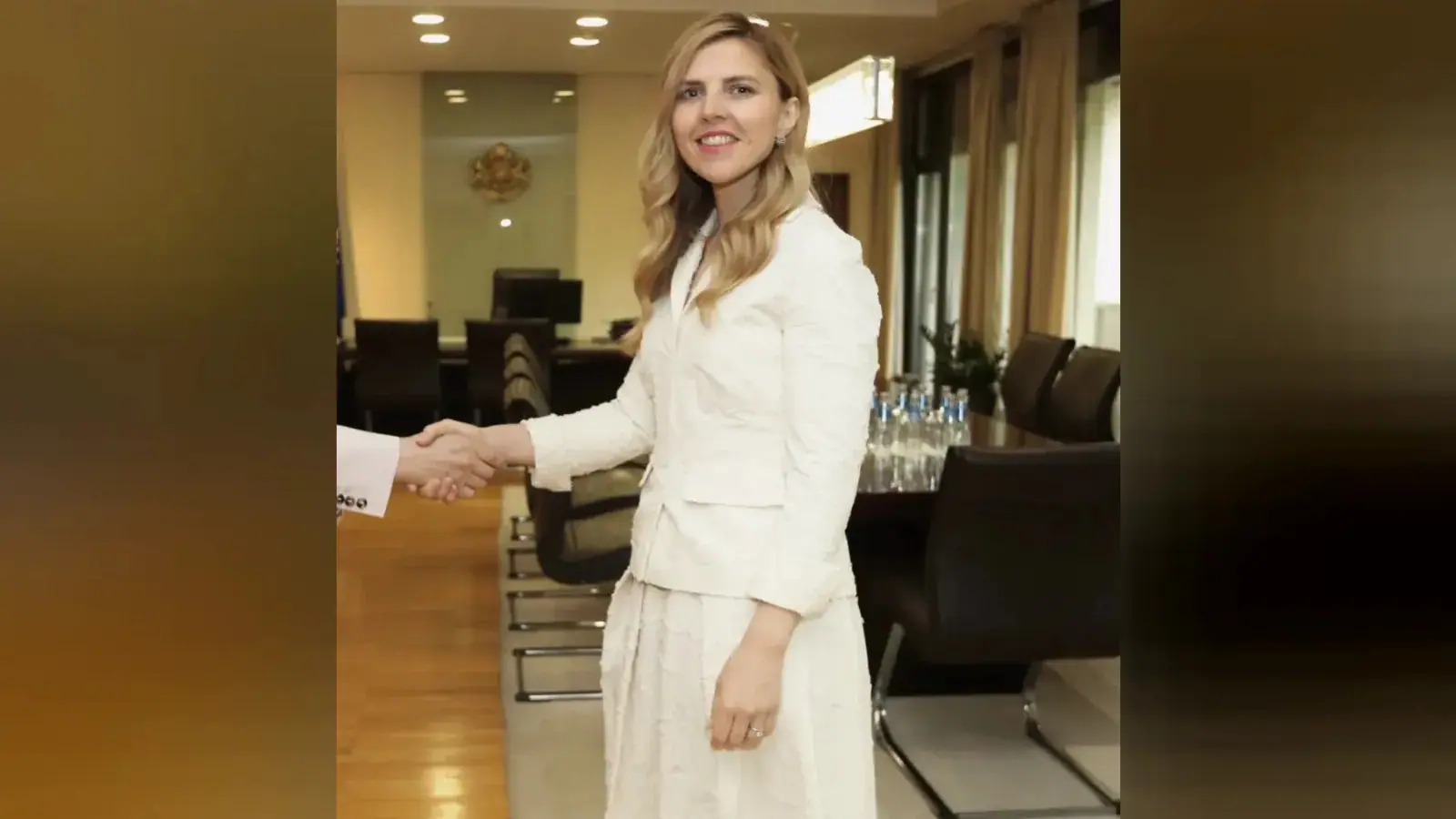
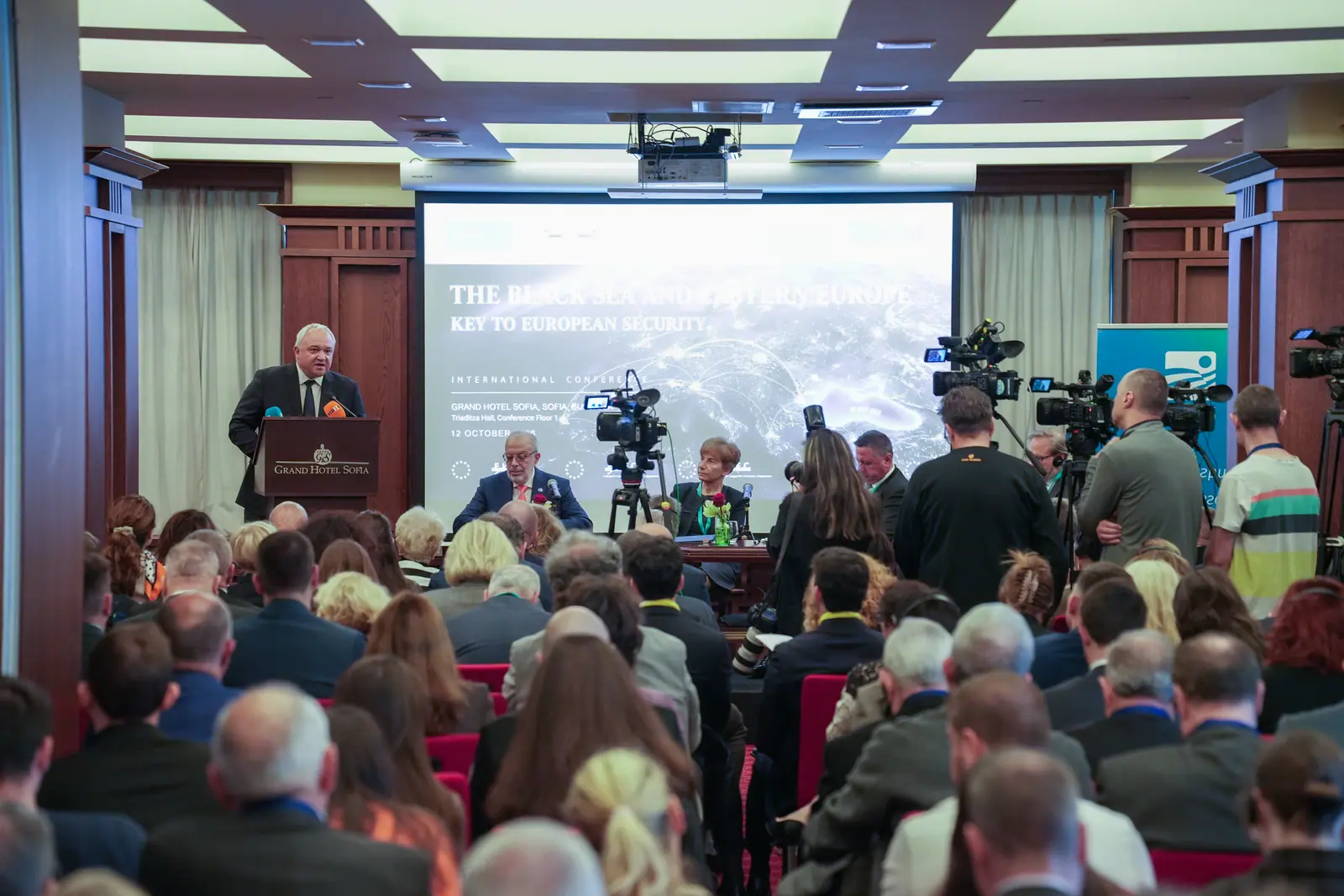
Foreign minister Velislava Petrova-Chamova has called on the EU to find a lasting way to keep shipping safe in the Black Sea. She said attacks on merchant ships have already happened off both Bulgaria and Romania. The minister spoke on 12 October in Luxembourg, where the EU Foreign Affairs Council is holding its regular meeting.
Petrova-Chamova asked for Georgia to take part in talks on security in the Black Sea region. For Bulgaria, Georgia is a Black Sea state, and it is time to discuss how far the talks have got and what role it can play, the minister said. She said the EU must decide in which areas Georgia's involvement will carry weight, and that dialogue with Tbilisi is of the highest importance.
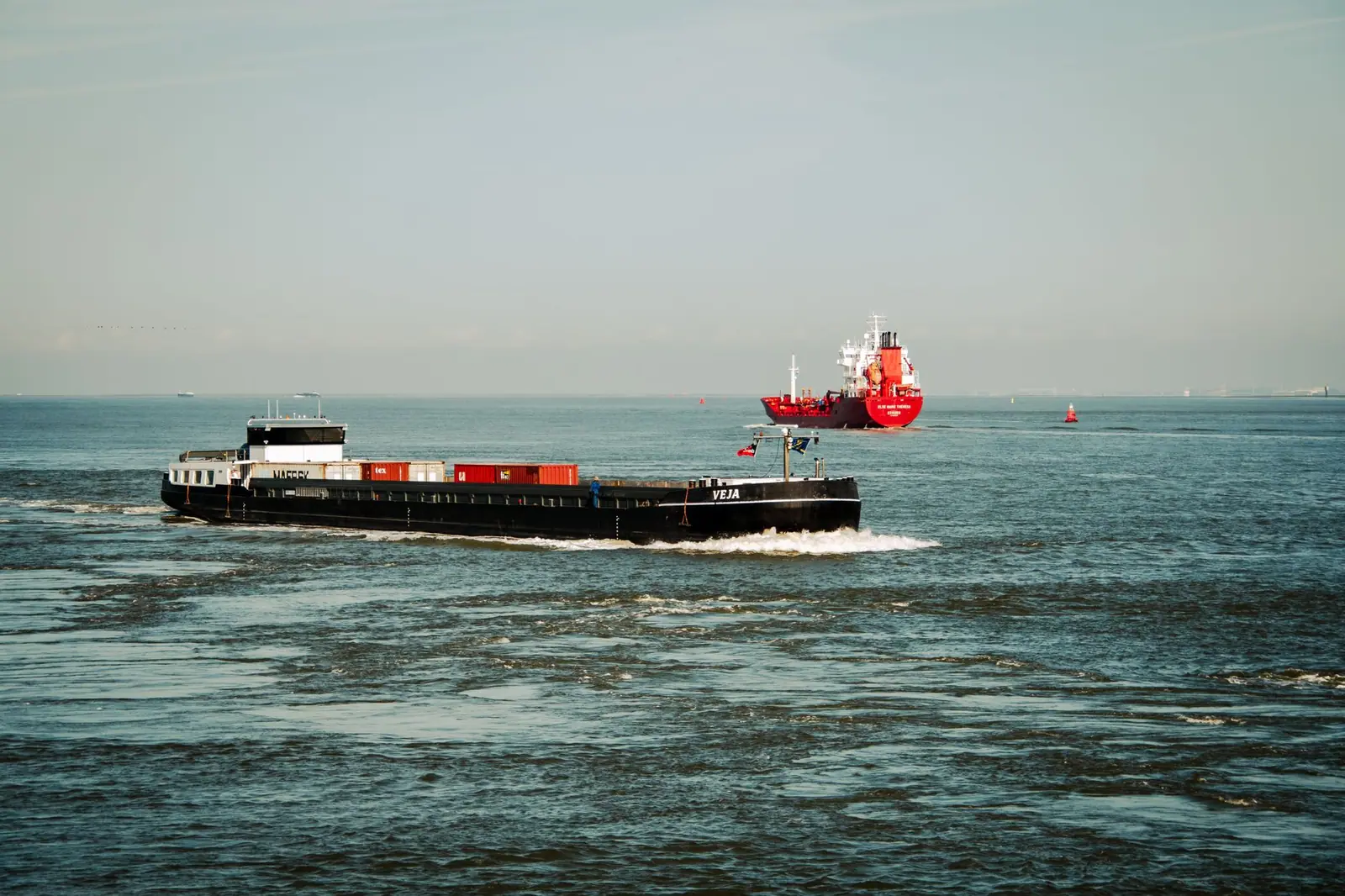
The minister said the Black Sea is not just a regional issue, because it affects all EU and NATO countries. She pressed for clear answers on how shipping will become safer, above all for merchant ships. Single attacks and incidents are one matter, but it is more important to solve the problem at its root, Petrova-Chamova said.
Bulgaria will ask the EU for joint action to protect the Black Sea and to stop attacks on merchant ships. The minister noted that France has also put forward an initiative for a moratorium on attacks on merchant ships, and Bulgaria is in talks with Paris on the subject.
Petrova-Chamova said a number of actions show that the war is spreading and escalating in the region, which is very worrying. She also saw the first signs that shelling of energy sites may stop. Bulgaria is firmly set on establishing the truth, but also on acting together with its partners, the minister said.
Russia began its full-scale war against Ukraine in February 2022. Since then the EU has adopted package after package of measures against Moscow. They include financial and trade limits, export controls and sanctions on certain people and organisations.
Kaja Kallas, the EU's High Representative for Foreign Affairs and Security Policy, chairs the meeting in Luxembourg. Ministers are discussing Russia's war against Ukraine, stepped-up Russian hybrid activity against the EU and its member states, the Middle East, Gaza and the West Bank. They are also talking about how enlargement of the bloc will affect its security and defence.
The agenda also includes support for Kyiv, enforcement of sanctions on Moscow, threats to critical infrastructure, cybersecurity and foreign interference. Ministers are also talking about how far candidate countries follow EU foreign policy, relations with the Gulf states and the problems facing international shipping.
Freedom of navigation matters greatly for European economies, because the main sea routes link the world's energy producers with industrial centres. According to the Council's published agenda, the priorities are Russia's actions, European security and cooperation with international partners.
Petrova-Chamova also commented on the case of a patient who needs treatment. The minister said the foreign ministry took no part in the actions and nobody told it that she was returning to Bulgaria. She said that when a humanitarian case in the Republic of North Macedonia goes unanswered, it leads to "desperate actions".
Bulgaria is helping with the case through diplomatic channels. The foreign ministry, the prime minister and the president have raised the question of the patient's access to treatment at the highest level, Petrova-Chamova said. She said North Macedonia has agreed that a Bulgarian doctor may examine the patient in North Macedonia. The minister said the patient should get proper treatment in Bulgaria as soon as possible.
EU leaders will discuss Ukraine, defence, security and wider geopolitical developments at a summit in Brussels on 15 and 16 October.
Comments (1)
В Люксембург? Яко! Трябва да се вземат мерки, наистина. 😂