
From July 1, 2026, the rules for online orders from abroad in the European Union will change significantly. The Council of the EU has officially approved a reform of the customs regime for small shipments, which abolishes the existing duty exemption for shipments worth up to 150 euros coming from countries outside the Union. This affects all member states, including "Bulgaria", and is of particular importance for purchases from Chinese platforms and other non-EU sites.
What exactly is being abolished from July 1
Until now, shipments worth less than 150 euros entering the EU from third countries were exempt from customs duties – buyers only owed VAT, and no duty was charged. The new EU Regulation (EU) 2026/382, adopted on February 11, 2026, abolishes this "customs franchise" and stipulates that small shipments will no longer be an exception to customs taxation.
The reform will take place in two stages. First, for a transition period from July 1, 2026, to July 1, 2028, a temporary fixed fee is introduced, and subsequently – after the launch of the new European "customs data hub" – all shipments, including those under 150 euros, will be subject to standard customs tariffs according to their tariff classification.
Temporary fixed fee: 3 euros per item in the shipment
According to the agreement reached between the member states, from July 1, 2026, to July 1, 2028, a temporary fixed customs fee of 3 euros will apply. It is important to note that this fee is not charged on the entire shipment, but on each individual "tariff subheading" – that is, on each category of goods described in the customs declaration.
Example: if a shipment contains three products, but two of them are from the same category (for example, two cotton t-shirts) and one is from another (for example, an electronic accessory), the customs fee will be 6 euros – 3 euros for each of the two different subheadings. If the shipment contains three different categories of goods, the fee will be 9 euros.
The new rules will apply to all shipments from countries outside the EU with a total value of under 150 euros sent directly to consumers in the Union. Although the 3-euro amount seems small, for low-value orders – for example, small items for 5–10 euros – the effect on the final price is significant.
Why is the EU abolishing duty-free imports for small shipments
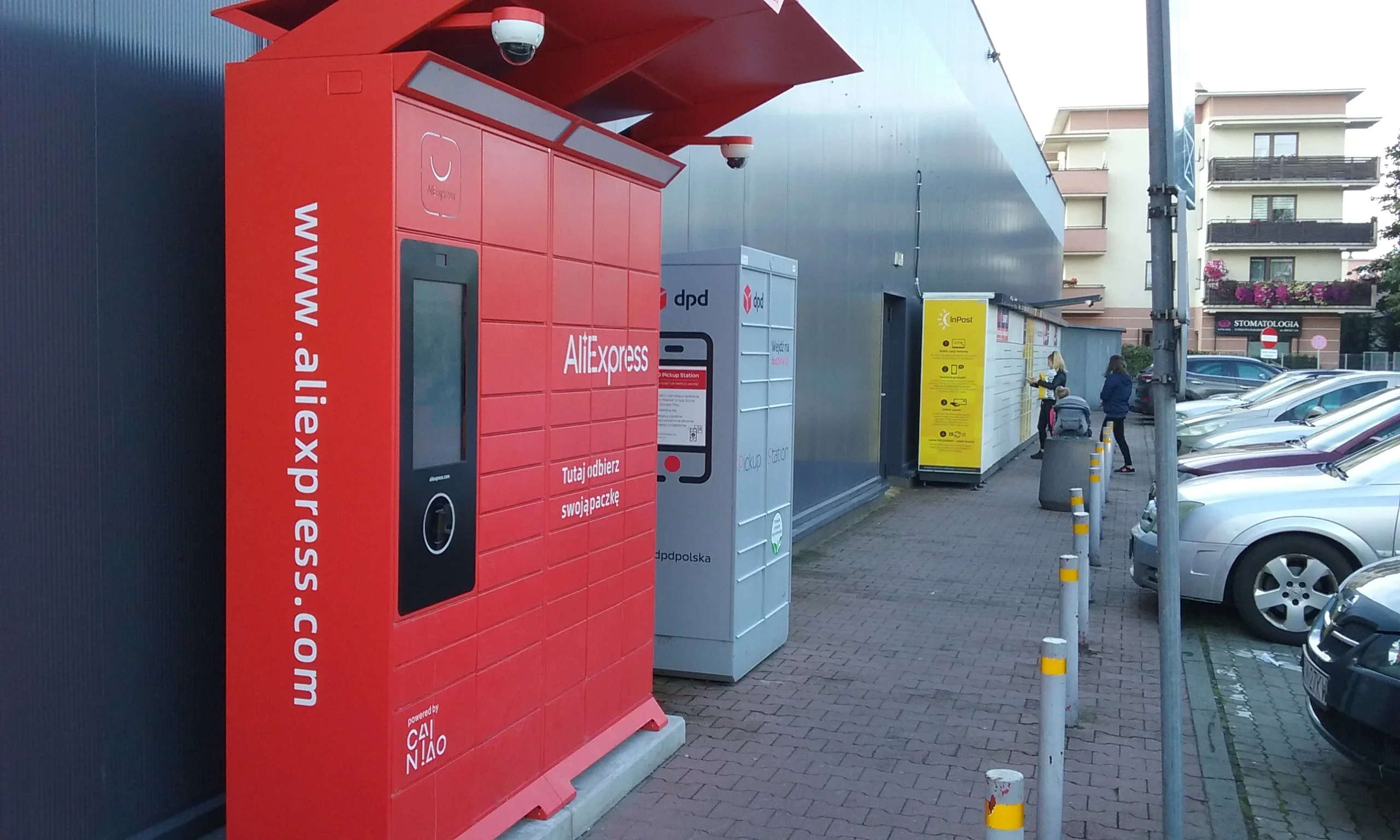
European institutions argue that the change is necessary to limit "cheap, undeclared imports" via e-commerce and to protect local merchants. Until now, many small shipments, especially from Chinese platforms – "Temu", "Shein", "AliExpress" and others – entered the EU without customs duties, which created a price advantage over European sellers who pay full taxes and duties.
The decision aims to close this "loophole" – so that all goods, regardless of value, are subject to customs taxation. In this way, the EU strives to make competition fairer and reduce the risk of mass imports of cheap, sometimes low-quality or non-standard products.
What this means for consumers in Bulgaria and the EU
For consumers in "Bulgaria" and other EU countries, the new rules mean that from July 1, 2026, every shipment from a non-EU country, even under 150 euros, will be more expensive – in addition to VAT, a fixed customs fee will also be charged.
In practice, this will lead to the following:
- For orders of one category of goods (e.g., only clothing) – an additional 3-euro fee;
- For orders including several different categories (e.g., clothing + electronics + accessories) – 3 euros for each category, which can add up to a 6, 9, or higher euro fee;
- For orders with many different items from different categories, the total fee could be comparable to the value of the goods themselves.
This will likely change consumer behavior – some people will try to optimize orders by combining goods from one category to limit the number of subheadings, while others may redirect some purchases to European platforms and stores.
What this means for business and logistics companies
For European sellers, including Bulgarian online stores, the change is potentially positive: the abolition of duty-free imports for small shipments reduces the price advantage of competitors outside the EU. Local merchants who pay customs duties and taxes will no longer be at such a disadvantage compared to small shipments from Asia.
For logistics companies and courier operators, the new rules mean additional administrative work. Customs declaration will need to precisely describe each "tariff subheading" in order to correctly calculate the fee. This may increase processing time and require changes to information systems.
Some operators are already informing their customers that from July 1, 2026, they will collect an additional 3 euros for each declared category of goods in shipments up to 150 euros, explicitly warning that the rules will apply at least until July 1, 2028, and the period may be extended.
What will happen after 2028
The temporary fixed fee of 3 euros is a transitional measure. After July 1, 2028, it is expected to be replaced by standard customs tariffs applied through the EU's new "Customs Data Hub" – a digital hub that will consolidate information on goods entering the Union.
After the launch of this hub, all goods, including those under 150 euros, will be subject to customs taxation according to the general tariff classification. This means that instead of a fixed fee, standard customs percentages according to type and origin will be applied to each item. It is possible that if the reform is delayed, the temporary fee will be extended.
For consumers and businesses, this means that the new rules are not a short-term change, but part of a long-term transformation of the EU customs system. The abolition of the 150-euro duty-free threshold and the introduction of fees for all small shipments is a clear signal that the days of "completely duty-free" online imports from third countries are coming to an end.




Comments (14)
абе, тва с трите лева - наистина ли е достатъчно да
абе верно, малко е трите лева, но важното е че се предприема ст
Абе хора, наистина ли се втриваме в три лева?! Да, разбирам недоволството, все едно нещо ни вземат, а не обратното - да подкрепим нашите бизнеси! Аз лично съм за това! 😏
Хм, интересно... Разбирам защо се въвежда това нещо, все пак трябва да защитаваме местните фирми и да
евала на ес! най-накрая вземат мерки срещу тия китайци