
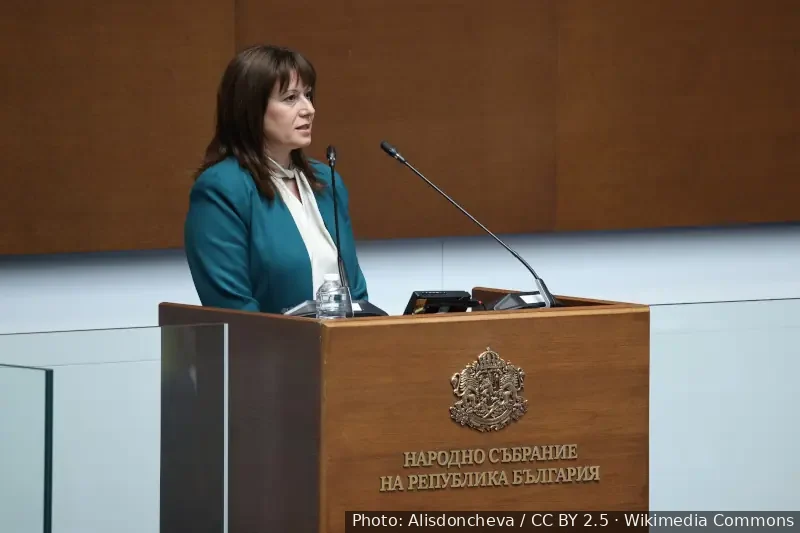
Most complaints to the ombudsman are still about public service providers, the Toplofikatsia heating company and the water utilities, ombudsman Velislava Delcheva said in a TV interview. She expects more complaints as winter sets in.
Toplofikatsia has drawn more than 1,000 complaints, and people keep reporting high bills. Delcheva says the company has slipped a little into the background, and that Sofia City Council and the Energy Ministry have already taken steps. The energy minister has said Toplofikatsia is not carrying out its investment and repair plans. The state, the city and the company must sit down together and decide what to do with it, the ombudsman said.
Large petitions against water utility services have appeared in many towns lately. Delcheva said the main problems come from how towns are laid out, with no infrastructure for a decent service, and that water quality in general is also a problem. This problem is old and unsolved because Bulgaria has no water strategy to set out where and what to do, she said. The government has reported that the recovery plan ended successfully and that in many towns the money went where it was meant to, but people's anger does not fade, the ombudsman added.
Support for children with disabilities has gone up and there are tax breaks, but money is still withheld from children with a disability of more than 90% if they use personal assistants. The ombudsman called this completely unacceptable.
The proposal on personal assistants, put forward by MPs, has been withdrawn. Delcheva said that for the second time, major changes in social policy are being pushed through the wrong way. Last year, the change on work experience for people on a four-hour working day was meant to pass through the 2026 budget law, and now the bill has come from MPs. MPs also tabled the changes to the Health Act with the new rules for the TELK, the medical panels that assess disability. The ombudsman is worried that this leaves no public debate.
Delcheva has submitted her opinion on the Health Act and on the TELK reform. She is concerned that many questions are left to secondary legislation adopted by the Council of Ministers, which leaves little room for wide debate.
She spoke about violence after a case of sexual assault on a girl that involved three minors, the latest in months of violent acts by minors. The ombudsman believes the problem is now huge and that everyone, not only the state and institutions, is responsible for change. It should start with the family, where parents admit their big failings, and with school, where children spend most of their day, she said.
The focus must be on prevention, so that children do not attack children and men do not attack women, before anyone thinks about punishment. When it comes to punishment, the state must have a clear policy for returning these people to society, and that chain is broken in Bulgaria, Delcheva said.



Comments (0)
No comments yet.