
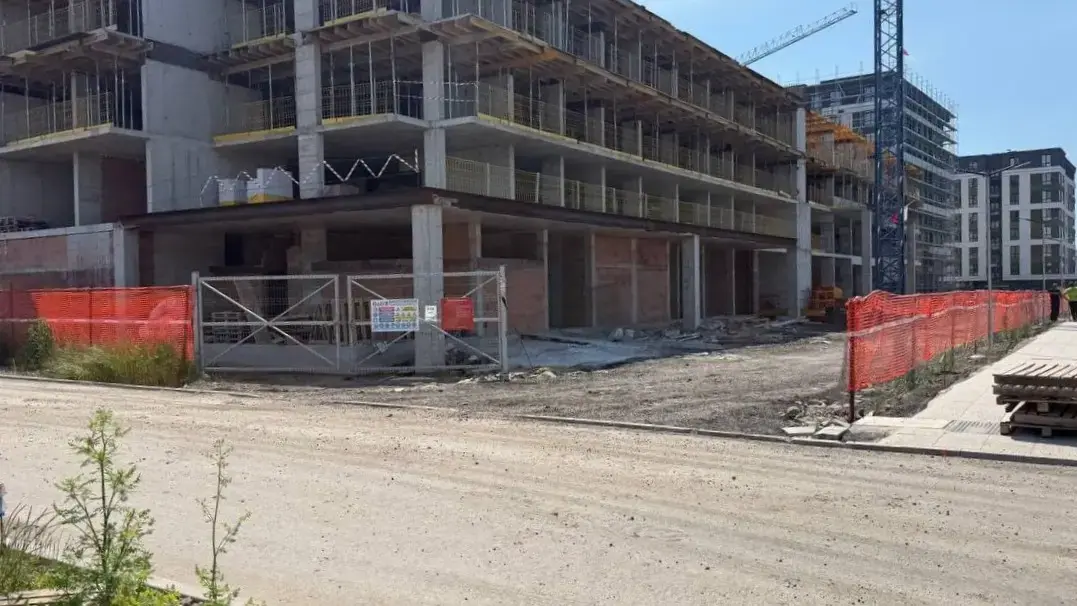
Nessebar Municipality has issued an official appeal to residents, construction companies, clients, and investors due to the increased construction activity within the municipality's settlements. The local administration insists that all parties involved in construction strictly adhere to environmental protection rules, cleanliness maintenance, and public order during construction processes.
The municipality states that it will not tolerate situations where construction activities lead to the pollution of streets, pavements, green areas, and other public spaces. Specific problems identified include the unregulated disposal of construction waste, pollution from soil and dust, the haphazard storage of construction materials, and the creation of inconveniences and hazards for the residents and guests of the settlements.
When performing construction and renovation works, the requirements of Ordinance No. 6 for environmental protection within the territory of the municipality, the Waste Management Act, the Ordinance on Construction Waste Management and the Use of Recycled Construction Materials, as well as all other applicable regulatory acts, must be observed.
The municipality lists ten specific obligations for builders and clients. Construction waste must be collected and stored exclusively on the construction site, in designated areas, so that it is not scattered by the wind or ends up outside the site. The disposal or storage of construction waste on streets, pavements, green areas, municipal lands, ravines, and roadside spaces not designated for this purpose is strictly prohibited. The disposal of construction waste in household waste bins is also not permitted.
According to the requirements, waste must be separated by type and handed over to persons or sites with the necessary permits and registrations in accordance with the law. When transporting construction waste and earth masses, spillage, dusting, or the falling of materials onto the roadway must be avoided, and vehicles must be technically sound and covered.
In the event of pollution of streets or other public spaces due to construction activities, the builder or client is obliged to immediately organize their cleaning at their own expense. The burning of construction waste is prohibited, as is the unregulated pouring of construction mixtures and other substances into sewage manholes, ravines, water bodies, or other unsuitable locations.
Hazardous waste generated during construction or renovation must be collected separately and managed in accordance with the procedure established by law. During the demolition, reconstruction, or renovation of buildings, measures must be taken to prevent the spread of dust, waste, and materials outside the site. Upon completion of construction activities, the client and the builder must ensure full cleaning of the site and adjacent areas, as well as the restoration of the affected plots.
The municipality specifies that it will exercise control over compliance with regulatory requirements within its powers, and upon the establishment of violations, administrative and enforcement actions will be taken in accordance with current legislation and municipal ordinances.
The municipal administration emphasizes that a lack of organization on the construction site, or the actions of subcontractors or transport companies, does not exempt the persons to whom the law imposes obligations regarding construction waste management from responsibility. Nessebar insists that this message be brought to the attention of all employees, technical managers, subcontractors, and transport companies involved in specific construction sites.
In conclusion, the municipality calls for a responsible attitude and strict compliance with all regulatory requirements, noting that the cleanliness and good appearance of Nessebar Municipality are a shared responsibility, and no actions that jeopardize them will be tolerated.




Коментари (0)
Все още няма коментари.