
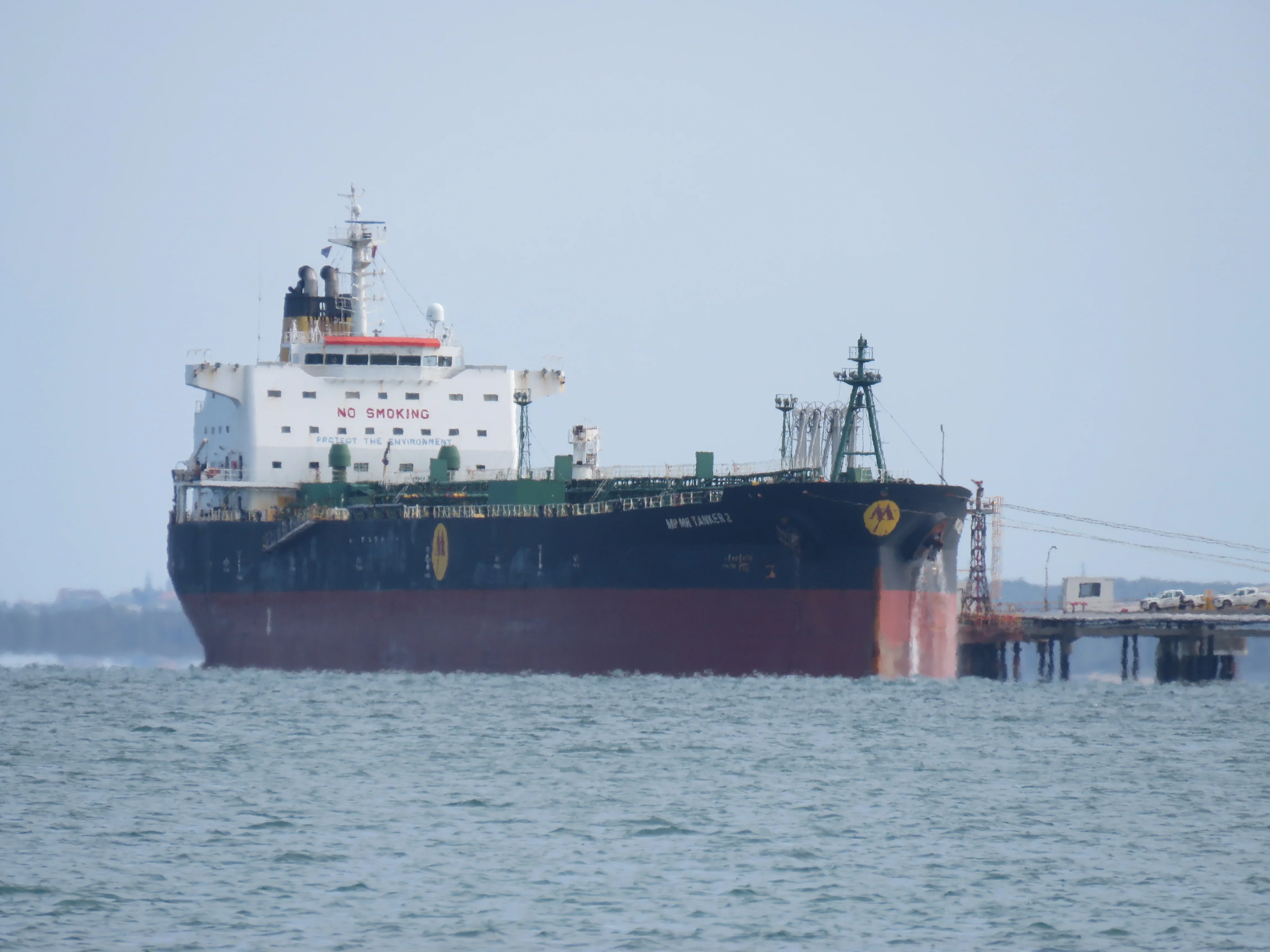
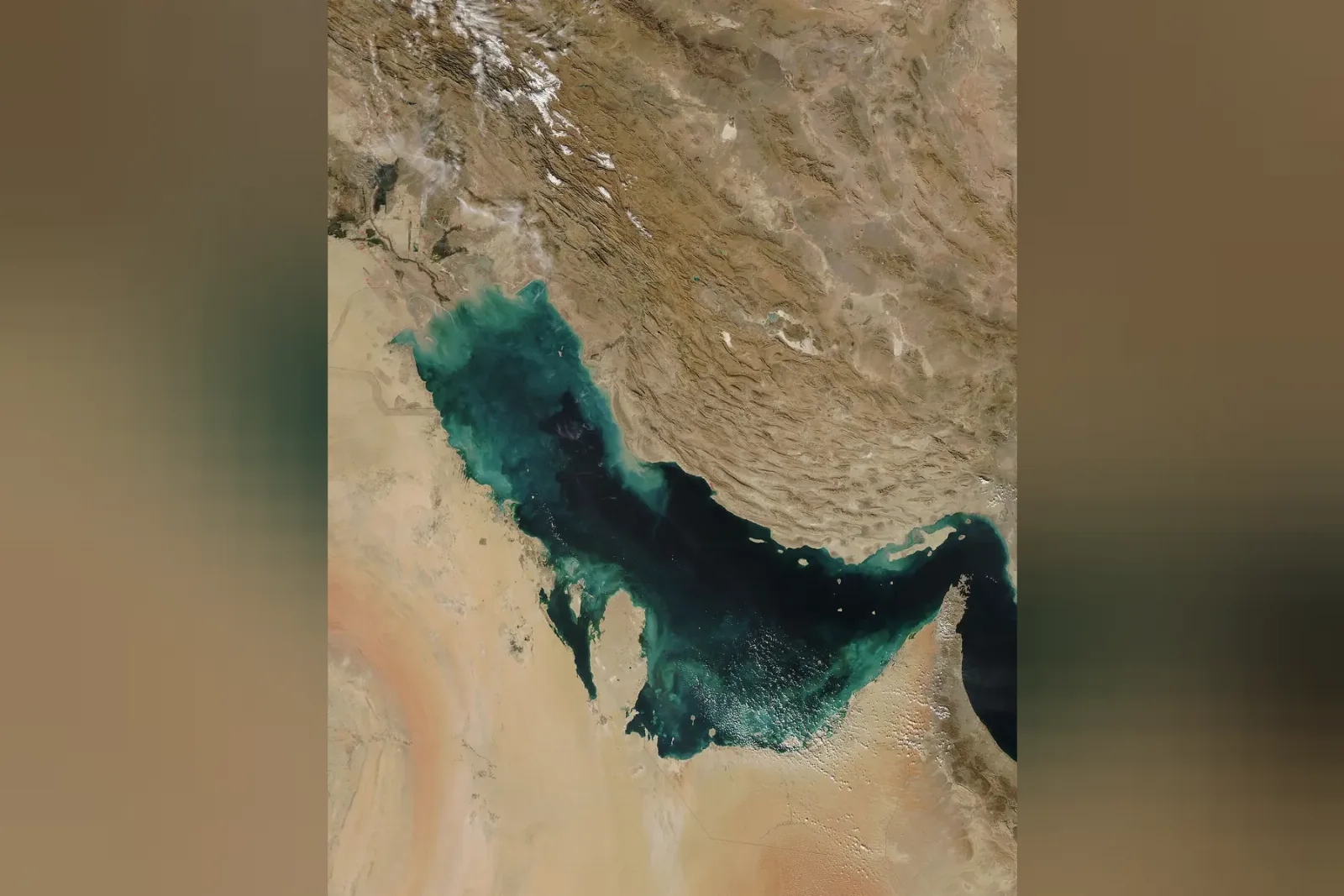
After nearly three months of practically blocked traffic for major energy cargoes, oil and LNG tankers have begun to gradually resume passage through the Strait of Hormuz – one of the most important energy corridors in the world. Before the start of the conflict in the region, about one-fifth of global crude oil and liquefied natural gas supplies passed through it, and any prolonged disruption has an immediate effect on international energy markets.
According to data from maritime tracking companies and agencies, after the three-month period of heavy restrictions, several key vessels have already passed through the strait: the supertanker "Eagle Verona" with Iraqi crude oil, which is heading to the Chinese port of Ningbo with an expected arrival around June 12, as well as two gas carriers – "Fuwairit" and "Al Rayyan", loaded with Qatari LNG and heading to Pakistan and China, respectively.
Three months of blockage: from "energy shock" to controlled opening
Since the end of February, hundreds of tankers and cargo ships remained stuck in the Persian Gulf after the escalation of the conflict with Iran led to the most serious disruption of energy supplies through the Strait of Hormuz in modern history. During the period of the most acute crisis, commercial traffic collapsed by about 97% compared to normal levels, and tanker passages dropped from the usual 100–135 per day to individual ships per week.
The Iranian leadership imposed a regime of selective passage: only commercial ships with prior permission from the Islamic Revolutionary Guard Corps could pass through the strait. For weeks, not a single LNG tanker received permission to pass, and loaded LNG ships were forced to turn back after being refused by Iranian authorities.
The first tankers: LNG for Asia and Iraqi crude oil for China
According to data from tracking platforms, the Bahamas-flagged LNG tanker "Fuwairit" was loaded at the Qatari port of Ras Laffan at the end of March and, after a three-month period of uncertainty, passed through the Strait of Hormuz to deliver LNG to Pakistan, where unloading is expected on May 26. Another gas carrier, "Al Rayyan", is following a route to China, with a planned arrival at the end of June.
In parallel, the supertanker "Eagle Verona", loaded with Iraqi crude oil, has left the Persian Gulf and is heading to the Chinese port of Ningbo, where it is due to dock around June 12. This ship also symbolizes the resumption of Iraqi exports from southern terminals after more than a month of disruption caused precisely by the blockage in the Strait of Hormuz.
Partial recovery: convoys, permits, and geopolitical mathematics
The recovery of traffic is not complete and free – it is the result of a complex system of permits, convoys, and bilateral agreements. Iran officially states that only commercial ships that have received approval from the Revolutionary Guard Corps can pass through the strait. This means that every country or company relying on this route must negotiate directly or indirectly with Tehran.
Meanwhile, market information indicates that several Asian countries – including China, Pakistan, and Japan – have reached agreements for the limited passage of their ships. As a result, the first convoys of tankers, including four liquefied petroleum gas ships and several tankers for petroleum products, have already left the Gulf in the form of strictly coordinated routes.
Global markets: why Hormuz remains an "energy shock center"
The Strait of Hormuz is a strategic corridor through which about 20% of the world's crude oil supplies and approximately one-fifth of global LNG traffic passed before the crisis. This means that any prolonged disruption or restriction of traffic immediately reflects on oil and gas prices, as well as on the energy security of key regions – Europe, Asia, and even the USA.
Analyses by financial institutions warned that a one-month disruption of flows through Hormuz could push European gas prices above 70–75 euros per megawatt-hour, and in a crisis lasting more than two months, exceed even 100 euros. In the oil market, uncertainty led to high volatility, with investors reacting to every piece of news about a possible opening or tightening of the passage regime.
Risks remain: "at own risk" for Asian ships
Despite the resumption of movement, a number of traders and operators warn that passage through the Strait of Hormuz remains "at own risk". The region is still unstable, with the presence of warships, armed formations, and unpredictable decisions by Iran and its adversaries. More than 20 attacks on ships in the area have been recorded since the beginning of the conflict, making insurance and operational costs significantly higher.
Some European companies continue to seek alternative routes – for example, transporting crude oil and LNG through other corridors, as well as diversifying gas sources to terminals in the Mediterranean or Northern Europe. Nevertheless, for a number of Asian countries heavily dependent on supplies from the Persian Gulf, Hormuz remains indispensable.
The politics behind the traffic: selective opening and geostrategic signals
The regime of selective opening – for example, allowing some of the Chinese tankers after agreements between Tehran and Beijing, while maintaining restrictions for some European carriers – shows that Iran is using the Strait of Hormuz as a tool for geopolitical influence. Which ship passes and when often depends more on politics than on the purely commercial parameters of the deal.
For China and other Asian states, the restoration of traffic through the strait is key, as a large part of their imports of crude oil and LNG comes precisely from the Persian Gulf region. At the same time, the West – including the EU and the US – continues to insist on free navigation and is trying to create mechanisms for international control over the security of this strategic corridor.
What follows: between "partial normalization" and "new crisis"
The resumption of the passage of oil and LNG tankers through the Strait of Hormuz is an important signal for the gradual normalization of energy flows, but it does not mean a return to the old "status quo". Traffic remains well below pre-crisis levels, and any new escalation could again lead to a partial or almost total blocking of the corridor.
For global energy markets, this means that Hormuz will remain a "shock center" – a place where geopolitics and energy are intertwined, and any decision by Tehran, Washington, or Beijing can turn into an event with an immediate effect on oil and gas prices. For countries dependent on these supplies, the lesson is clear: diversification of sources and routes is no longer a strategic option, but a necessity.


Comments (14)
Абе, хора, к'во да ви кажа... Отново ли трябва да се чудим кой къде какво прави с петрола? Три месеца пауза, сега "всичко е наред"... Да не би някой там оттатък да си е направил домашна работа и да ни
Ех, пак нерви… ДАНО наистина са се оправили нещата. Тоя проток е важен за цяла Европа, а ние сме част от Европа! Важно е да
Абе хора, кво става с тия танкери бе?! Три месеца пауза... сякаш играят на криеница! Дано не ни ядове чакат оттам, че тоя проток е доста важен, ама и много нервен. Европа трябва да си гарантира енергийните доставки, ясно е. Аман от тия руски номера – все нещо намират да опънат крак на нормалната търговия. Дано се оправи всичко и да не ни излезе ня 🤬
Ебати цирка... пак някакви напрежения. Дано не се повтори скоро
Абе, хора, наистина ли трябваше да си дойдат пак тези танкери там? Три месеца пауза... сякаш някой си е играл на "стоп-го!". Да не се окаже, че някой си е решил да си прави тестове с пролива, а после ние да плащаме сметката на бензиностанцията.