
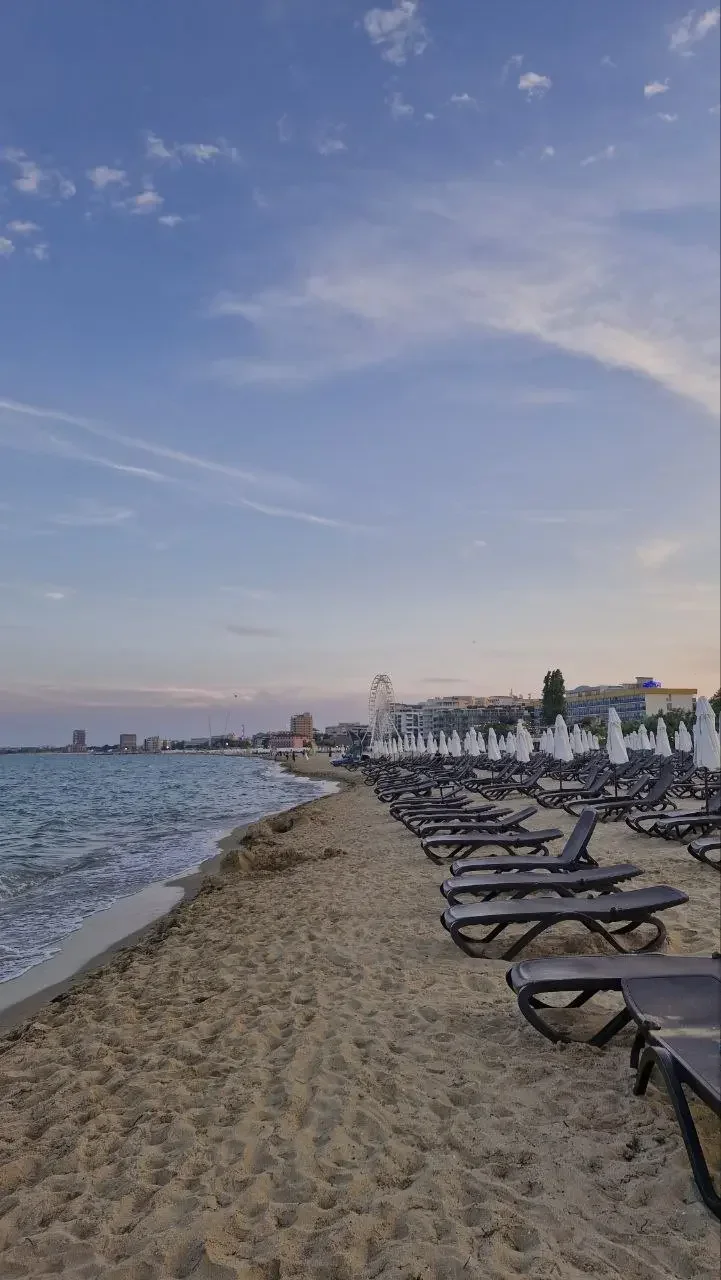
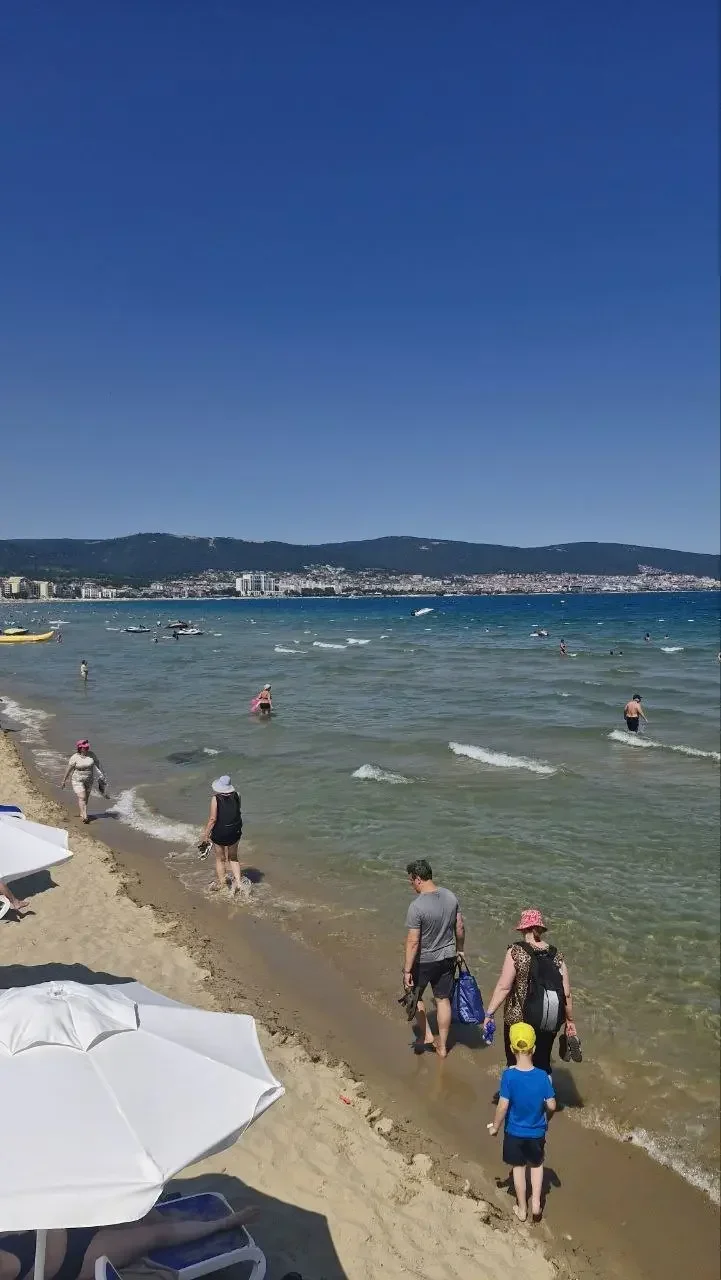
The summer season 2026 in Bulgaria is already in full swing – seaside resorts are filling up, domestic tourism is becoming more active, and the question of "how much more expensive is the summer" is once again in the spotlight for households. The beginning of the year was marked by the introduction of the euro as the official currency and a gradual rise in prices, but by mid-June, the picture is one of moderate rather than shocking growth in costs for housing, food, and services.
According to data from the National Statistical Institute, annual inflation in May 2026 was 6.9%, and inflation since the beginning of the year (May compared to December 2025) reached 3.8%. At the same time, monthly inflation for May was zero, which means that prices, on the whole, have stopped rising on a monthly basis but remain significantly higher compared to last year. The strongest growth in May was recorded in "restaurant and hotel services" (0.9% for the month), "transport" (0.8%), as well as "housing, water, electricity, gas, and other fuels" (0.2%).
On a broader level, the trend is for inflation to accelerate during the summer months – as early as 2025, the annual rate in July and August reached 5.3–5.6% before slowing down at the end of the year. This means that even in summer 2026, the pressure on the prices of seasonal services, especially at the seaside, will remain palpable, although far from the double-digit levels of previous years with the energy shock.
The cost of living is also rising: according to trade union calculations, the funds required for the normal maintenance of a single working person living alone reached about 818 euros per month in the first quarter of 2026. For a three-member family with one child under 14, the amount is now nearly 1473 euros. Compared to 2025, this means an increase of approximately 40 euros per person and over 70 euros for a family – an increase that households feel particularly strongly precisely during the holiday and travel season.
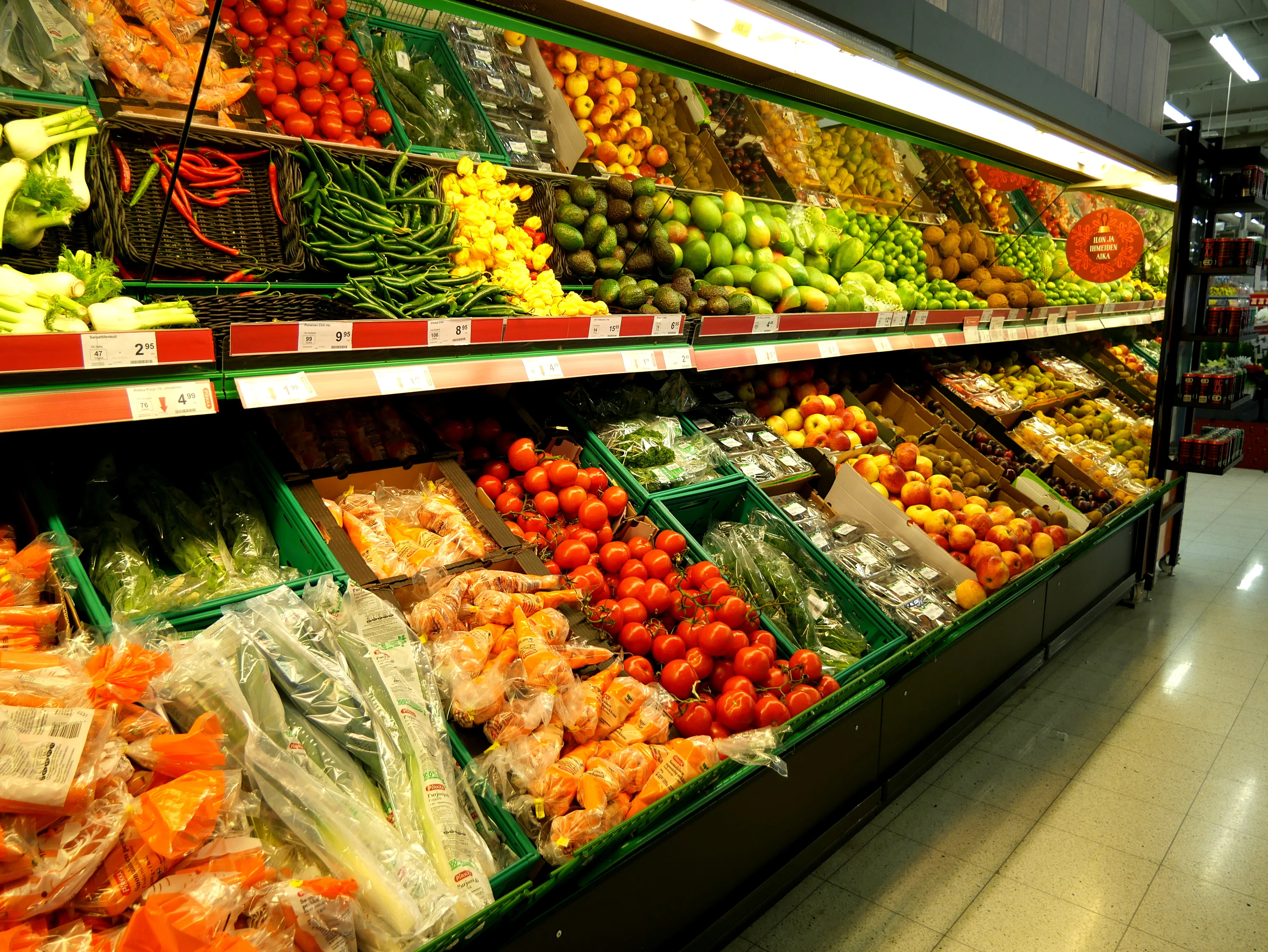
For food, a moderate but steady price increase is observed. On an annual basis, food prices are growing by about 6.2%, with the most noticeable rise in bread, meat, eggs, and fruits. International cost-of-living platforms show that a kilogram of white bread is about 0.96 euros, a liter of milk – about 1.59 euros, and a kilogram of chicken fillet – about and over 7 euros, depending on the place of purchase.
Despite the introduction of the euro and expectations for "rounding up," official observations of retail prices at the beginning of 2026 show more stability in basic food products. There are local fluctuations in fresh fruits and vegetables, as well as eggs, but these are typical for the season. For the average tourist, this means that the price of eating in shops and markets has not jumped dramatically, but the total food bill is higher due to the cumulative effect of several consecutive years of inflation.
The price increase is felt more strongly in restaurants. The category of "restaurant and hotel services" is among those with the highest monthly growth in the spring of 2026. In seaside resorts, the average price of a main dish in a mid-range restaurant is higher compared to 2025, although in many places there is a "holding" of menu prices at the expense of smaller portions or changes in ingredients. For a family of three, dinner at a resort restaurant increasingly exceeds 45–50 euros, without including more expensive drinks.
Housing costs – both for locals and tenants during the season – are also rising. Already at the end of 2025, real estate agencies predicted that in 2026, housing prices would increase by between 5 and 8%. This is also being passed on to short-term rentals: in large cities and by the sea, monthly rents for a standard apartment are dozens of euros higher compared to last summer, and in the peak months of July and August, rental prices for overnight stays in preferred resorts are approaching the prices in popular Greek destinations.
For hotels, the summer of 2026 is visibly more expensive than the 2025 season, although the growth is not uniform. The sharpest price increase is recorded in early-booking "all-inclusive" complexes and family hotels with water parks, where prices for an overnight stay per person on a peak date are rising by a double-digit percentage compared to last year. In smaller family hotels and guest houses along the Southern Black Sea coast, the increase is more moderate, but it is felt there too – especially for "last-minute" bookings.
The prices of tourist attractions and additional services are also going up. In some facilities, tickets have increased by up to 50% compared to previous seasons – for example, at theme parks, large water parks, or combined tourist packages. This makes the daily budget for a family noticeably larger: if in 2024–2025, 100 euros were perfectly sufficient for a standard "family day" at the seaside (beach, food, one attraction), in 2026, the amount often approaches or exceeds 120–130 euros.
Transport is also becoming more expensive. Just a few weeks on the eve of the season, airfares on popular routes have risen by about 25%. An example is a flight from Sofia to Athens taking less than an hour – in May, the one-way price with checked baggage reached over 300 euros. Domestic travel is also more expensive: fuel prices remain higher than a year ago, which is reflected in bus tickets, transfers, and excursions.
Nevertheless, the tourism business is not fully passing on the increased costs of labor, food, drinks, energy, and supplies to customers. Industry representatives emphasize that they do not expect a "serious price hike" for tourist services in summer 2026, but rather a limited price increase, significantly lower than the actual growth in costs. Part of the inflationary pressure is being absorbed by the profits of hoteliers and restaurateurs in an attempt to maintain the competitiveness of the Bulgarian seaside.
At the beginning of the season, a significant portion of hotel prices were already "locked" at higher levels – a result of early bookings and negotiated packages. For mass summer destinations, a moderate price increase is expected, especially in July and August. The greatest growth is forecast for high-class "all-inclusive" complexes and family hotels with additional services, which traditionally sell out at the beginning of the season.
For households, this means that the summer of 2026 will be more expensive than the last, but not dramatically inaccessible. The blow to the budget comes not so much from individual "shock" price hikes, but from the combination of a higher cost of living, increased prices for food, transport, and services, as well as higher costs for housing and rent. To stay within their means, many families are already shortening the duration of their stay, choosing more modest accommodation, or combining the Bulgarian seaside with shorter but well-planned trips in the region.
You may also like
By the end of the season, economists expect inflation to remain in the single-digit range, but close to its upper limit, and for tourist service prices to stabilize at a new, higher level. The real question for summer 2026 is not only "how much does a vacation cost," but whether income growth will manage to outpace cost growth – so that the Bulgarian tourist can remain a real, rather than just a statistical, participant in the summer season.
Коментари (94)
Ничо
18.06.2026, 15:00Абе хора, сериозно ли? Още ли говорим за цени?! 🤦♂️ Тоя летен сезон вече ще ми е като да си купувам чисто нов iPhone – ама трябва да стесня очи и да се надявам, че няма да ме оберат на КИЛОГРАМ. 😂
Димир
18.06.2026, 15:01А бе, наистина ли няма да има шок с цените? Да видим
Стар_Българин
18.06.2026, 15:01Абе, Ничо, ясен си! 🤣 Тоя "умерен" прогрес все едно обещание за
Нимир
18.06.2026, 15:01Абе то така ли ще я караме бе?! Лятото идва, а ние все за пари говорим
Dimi55
18.06.2026, 15:01Абе, кви са тия "умерено"?! 🤦♀️ Нов iPhone да си купя, по-евтино ще ми излезне май! Сериозно, бях се надя
mega_wolf
18.06.2026, 15:02Ех, Ничо, прав си напълно! 😂 Тоя "умерен" ръст... като да си купиш хляб - умерено по-скъп, м
real424@eu
18.06.2026, 15:03абе ничо, много точно каза! 😂 и аз се чувствам като да съм на касапинница понякога, все едно трябва да преговаряш за цената на всяка салата.
real_boss466
18.06.2026, 15:04Абе Ничо, брат, напълно те разбрах! 😂 Нов iPhone наистина е по-добро сравнение отколкото "умерено" поскъпване! Ама дай малко да си излея мъката...
pro_wolf258
18.06.2026, 15:17Абе, значи ще поскъпне... пак ли? 😅 Ама поне
Вачо
18.06.2026, 15:19Абе, Pro_wolf258, точно каза! 😅 Пак ли? Ясно е... ама човек да може да си почине без да му обеднява джоба, аман от поскъпвания. Надявам се поне да са го измислили нещо, че туристите да 🔥
Стар_Софиянец
18.06.2026, 15:20Абе то така ли ще е винаги? 😡 Парите ни отиват на в
Stoyan39
18.06.2026, 15:21Абе, наистина ли... пак ли поскъпва? 🙄 Ясно е, инфлация, кризи всякакви... ама чак пък да ми се налага да си избирам между баничка и бира на морето ли ще стане? Да не почне скоро да ни казват "България - луксозна дестинация за богати туристи"? 😅 То па и Русия кво, не ги тормози с тия санкциите... кой знае. Ама то човек 🤙
real_hero423
18.06.2026, 15:39Абе, хора, успокойте се малко! "Умерено поскъпване" звучи като обещание от политик - знае ли човек какво значи всъщност. 😅 Ама да си призная, честно казано, и аз съм доволен, че поне не ни чака някакъв тотален ценови апокалипсис. Все пак искам
wbkzcm114
18.06.2026, 15:40Ех, real_hero423 прав си напълно. "Умерено" – класическа фраза от медиите. 😅 Значи, ще поскъпне, ама не много... А дали наистина няма да се усетят тези пари? Миналата година уж също беше "умерено", а в крайна сметка ядохме макарони на промоция, че да си позволим едно хладно пиво на плажа
super_boss451
18.06.2026, 15:42Абе, real_hero423 прав си напълно! "Умерено поскъпване" е като политическо клише, все едно казват “всичко ще бъде наред”. 😂 Но да, важното е че не се сгромолясва всичко.
Дико
18.06.2026, 15:42абе, "умерено поскъпване"?! да не ми кажете, че пак ще ни изненадат с някакви непредвидени такси или данъци в последния момент! 😤 не съм против да
rldzf318
18.06.2026, 15:43Ахаха, real_hero423, братле, абсолютно си прав! "Умерено поскъпване" - това е най-голямата шега на годината, а? 😂 Значи като ми кажат, че съм ял "умерено" количество шницели, значи съм изял половин прасе? 🤦♂️
ivan37@mail
18.06.2026, 15:43Абе, пичове, тва "умерено поскъпване" наистина ли е нщо позитивно или просто се опитват да ни заблудят? 🤔 Все пак, важното е, че туристите продължават да идват и да подкрепят българския бизнес. Дано поне тази година не стане като миналата с безумните цени и недоволството... Аз лично си мечтая за една спокойна почи
A4BD01
18.06.2026, 15:52Абе тва умерено поскъпване... наистина ли ще е ок за всички? 😅 Не къртим ли бюджета
Лош_Реалист
18.06.2026, 15:55Здравейте! Аз лично смятам, че терминът "умерено поскъпване" е малко подвеждащ. Разбирам, че целите са да се избегне шок за туристите, което е разбираемо откъм бизнес гледна точка – не искаме хората да се откажат изведнъж и да ходят в Гърция или Турция, където понякога може би ще намерят по-изгодни оферти. Но все пак трябва да имаме предвид, че дори и малките увеличения, кумулативно, могат сериозно да натоварят семействата с деца или хората с по-скромни доходи.
yomaumi516
18.06.2026, 15:56Ей, A4BD01, тва с бюджета наистина ме накара да се замисля... 🤔 И аз се чудя дали "умерено" ще е достатъчно умерено, а? Все пак, все едно плащаме повече и повече всеки път, нали
bdggfab276
18.06.2026, 15:56Абе, "умерено" значи ли, че ще мога да си позволя една почивка на море? 🤦♂️ Тоя "туристически бизнес поема част от поскъпването"... я кой готви за тях, а? Нашите пари пак отиват! Аман от тия красиви думички, дето ни залъгват. Дано поне цените на бензина да не скочат още повече, че май ще се возим с колело до море 🇧🇬
Лош_Човек
18.06.2026, 15:56абе, a4bd01, прав си, винаги има за какво да се притесняваме. ама гледай какъв напредък правим все пак 💥
8C2BA6C5
18.06.2026, 15:57абе, прав сте всички, наистина. "умерено" е една дума, която вече нищо не значи в тая държава. все едно да кажат, че си купил хляб за левче и 50 стотинки, а преди е бил само за 90
real_tiger263
18.06.2026, 16:18абе хора, какво да ви кажа аз… четеш новини, гледаш как върви светът, и все едно се връщаш на едни и същи места. "умерено поскъпване"... ама тая дума вече ми писна, честно. все едно ни залъгват с нещо.
2D347DA1
18.06.2026, 16:20Яко, real_tiger263, няпълно те разбирам! Тая "умереност" все едно я повтарят като счупена плоча. А
user363@bg
18.06.2026, 16:20Абе, я се махам! "Умерено"?! Бахти майтапът! Все едно си
hidvxt667
18.06.2026, 16:22абе, то верно... все едно си гледаш една и съща картина. казват "умерено", ама все тая в крайна
Мишко
18.06.2026, 17:02ааа, пак ли тая? умерено... ама все
Стар_Човек
18.06.2026, 17:05абе мишко, братле, прав си! 🤦♂️ иначе казано – "умерено" значи "ще плащаме повече, ама да се прави на нищо". тоя "туристически бизнес" да си гледа бюджета, че и те имат далавери с тия цени. аз лично съм се настроил за по-скъпа бира и лютеница на морето, ама чак пък шок не искам
qnuweky414
18.06.2026, 17:06Абе, Мишо, напълно те разбирам! "Умерено" казваш... Ама да ти кажа, аз вече свикнах с тая "умереност". Все едно да си купиш кисело мляко, написано "с ниско съдържание на захар", а то да е по-сладко от бонбон! 🤣
Лош_Граждан
18.06.2026, 17:06мамка му! "умерено"?! да сте видели смет
Dimi28
18.06.2026, 17:17абе, сериозно?! "умерено" поскъпване ли? ама какво умерено бе, хора? все тая работа, нали? да си вземат парите някак си... и после все "икономика расте", ама за нас каква е таа икономика? ще могат ли обикновените хора да си позволят лято в бг след 2026-та година така с тия цени? или ще си гледаме от телевизора ваканциите, а? питам
Точев
18.06.2026, 17:20абе, dimi28, прав си на 100%! "умерено" значи, че ще ти вземат още малко, ама да не се разбере много, а? тц, тц... все тая работа е, к'во да го правим. да видя догодина как ще ходи човек на море с тия це
Млад_Бургазлия
18.06.2026, 17:21Абе, Dimi28 прав си на 100%! Тоя "умерено" е като да ти кажат, че са те ограбили, ама леко. Икономиката расте за кой ли път? За шефовете, разбира се! А ние к'во, пак с еднакви заплати и пенсии ще си гледаме как цените скачат нагоре. Сериозно, нормални ли са тая работа? Лятото в БГ става лукс
Млад_Българин
18.06.2026, 17:21здравейте, dimi28. съгласен съм, че усещането е за поскъпване на стоките. данните от доклада показват тенденция към 😏
user730@mail
18.06.2026, 18:31абе, това "умерено" май е най-голямата шега на годината, а? нали все казват, че сме в европа, че имаме стабилност... ама каква стабилност бе, като всеки месец нещо ПОСКЪПВА? питам се дали някой от тези, дето пишат тия статии, въобще живее сред нас или си бъркат в собствените джобове само когато трябва да гласуват. да
Mariya92
18.06.2026, 18:34Ами, да... това с "умереното" е малко... оптимистично казано. Нали все пак, като
Стар_Патриот
18.06.2026, 18:43Пич, сериозно ли?! "Умерено" поскъпване... сякаш има голяма разлика между "умерено" и "скапано
real_king
18.06.2026, 18:44Ами да, пичове... нормално е да се вдигат цените.
Геко
18.06.2026, 18:45Абе, Стар_Патриот, к'во да ти говоря! То тая "умереност" е като обещанията
Ivan37
18.06.2026, 18:47Абе, Стар_Патриот, прав си напълно. "Умерено" звучи яко на хартия, ама като почнеш да смяташ... става мазно. И какво, бизнесът поема цените? Ама откъде ще ги вземе тези пари? От туристите
user931@gmail
18.06.2026, 19:00абе, сериозно ли? "умерено поскъпване"... значи все пак ще има ли някакви хубави места за обикновените хора да си почиват или само vip-ите
1EF05248
18.06.2026, 19:04Абе, [email protected], разбрам напълно кво имаш предвид! И аз се притеснявам много за летния сезон. "Умерено поскъпване" звучи добре на теория, ама на практика... Все едно казват "ще е малко по-скъпо от миналата година".
Georgi6
18.06.2026, 19:01Ами то винаги така било – лятото МАЛКО по-скъпо.
Гедар
18.06.2026, 19:02Georgi6 прав си, ама... винаги е било малко по-скъпо лятото, да. Но сега нщо усещам, че "малко" започва
Млад_Граждан
18.06.2026, 19:05Абе Георги, прав си донякъде, де. Винаги е било малко по-скъпо лятос – факт. Но тая година май вече почва да става "малко" доста неприятно, нали? И аз не съм кой знае какъв експерт, но все пак се опитвам да следя какво се случва.
iqbhyhhw291
18.06.2026, 19:40Ех, хора... честно казано, малко ме е яд. Разбирам, че летният сезон винаги е по-скъп, ама все пак... "умерено" поскъпване? Да си го кажем направо - всяка година става
Стар_Реалист
18.06.2026, 19:48Абе, пичове, да си знаете! "Без ценови шок"... значи все пак ще поскъпне, нали? Умерено или не, все тая... 🙄 Все едно
Yordan5
18.06.2026, 19:49Абе то какво ще стане сега? Цените растат, ама поне не е шок, нали? Да видим какъв ще е кефа лятото, все пак туристите са важни за нас! 😉 👍
user620@abv
18.06.2026, 19:50ех, йордане, прав си! да видим дали ще се оправи нщо... ама аз съм оптимист! 😉 важното е да има туристи, те ни държат на повърхността все пак. и
Вачо
18.06.2026, 20:43Ааа, пак ли? 🤦♂️ Умирено... ама все тая накрая. Все едно си купуваш билет за кино - винаги има някаква такса "обслужване" дето я не виждаш откъде се появила. Да видим дали наистина ще е без шок или пак ще ни изненадат с нещо. Важното е да няма масов отлив на хора, че и тея кефичките им отиват през прозореца. И все пак
Раслав
18.06.2026, 20:46Абе Вачо, прав си 100%! То тая "умереност" ми се струва като да ти обещават нщо хубаво, ама в малкия шрифт пише "с надценка". 😂 Винаги има уловка! Надявам се наистина да не ни изненадат с някой нов данък или такса. Защото и без това нали вече... абе, баси. Важното е да поддържаме туризма, ама и хората тук да могат да си
Стечо
18.06.2026, 21:42Хм… интересно. "Умерено" поскъпване... да, разбирам логиката, туристите са гръбнакът на икономиката ни. Но дали наистина е толкова "умерено", както казват? Все пак, инфлацията я усещаме всички, а тя не
BF87670105
18.06.2026, 21:58Сериозно ли? 😂 "Умерено" поскъпване… то 💸
evfr190
18.06.2026, 22:03Абе хора, сериозно ли? "Умерено" поскъпване?! Да бе, да! Ама аз го усещам в бюджета всеки месец - за хляб, за ток, за всичко! Този "туристически бизнес" дето уж поели част от поскъпването... ами ние българите кога ще си живеем нормално 😁
Stoyan22
18.06.2026, 22:23Абе питам аз, сериозно ли?! "Умерено" поскъпване? Ха-ха! Я да ми обяснят на мен, дето си плащам сметките тука – как може такова нещо да има, като всеки месец все по-малко пари стигат за ядене?! Тези икономисти да не са в друга реалност?!
cool_legend195
18.06.2026, 22:28абе, сериозно ли сега?! 😁 "без ценови шок"??? ама хайде бе! 😅 да кажат по-добре колко "умерено" ще ни излезе една баничка на морето след две години. и да не забравят, че и ние българите живеем тука, а не само туристите. интересно дали еврофондовете ще помогнат поне малко, че да се оправи положението... или пак ще
sgoxupl158
18.06.2026, 22:32абе, cool_legend195, прав си напълно! 😅 тоя "без ценови шок" звучи малко като политическа закачка, а? и аз се замислих - да, туристите са важни, но и ние българите трябва да можем да си
591ECF
18.06.2026, 22:58Абе, сериозно... "без ценови шок"? Да де, все едно си купуваме лукс, а не почивка на море. Ще видим дали наистина ще е умерено. Надявам се поне да има достатъчно
Petar20
18.06.2026, 23:09ех, хора... ама то така все става. "без ценови шок" - дааа, асно. като всеки път казват едно преди изборите или за някакви статистики, а накрая се оказва, че си дал заплатата за две седмици на море.
super_boss683
18.06.2026, 23:13Петаре, верно говориш. Винаги е така, нали? Дано поне да не стане наистина
real_master55
18.06.2026, 23:31Ами... виж как е, ще видим какво ше стане. Надявам се да не станат цените безумни, 💥
A2B771AB97
18.06.2026, 23:32абе, real_master55, верно си прав! 💥 надявам се наистина да не станат цените тотално безумни. тва "у
A9948EF36C
18.06.2026, 23:35абе, real_master55, абсолютно си прав! 😳 "без ценови шок", деба! това все едно да ти обещават, че ще си купиш хляб за 50 стотинки, а той на касата да е 2 лева. 🤦♂️ надявам се наистина да не ни обеднеят на пла
real_wolf606
18.06.2026, 23:39абе хора, здравейте! 😅 видях новината, та реших да споделя мъдростта си, колкото ми остана от летните намаления в магазина. "без ценови шок"... ама хайде де! това като да кажеш, че колата ще кара с 50 км/ч и после се оказваш на магистралата със 160, защото "лекият бриз" е помогнал. 😂
A33A07AD82
19.06.2026, 00:02Ей хора! 🇧🇬 Видях новината за летния сезон и цените... ама хайде де, кво да кажа?! Разбирам, че инфлацията е под контрол, ама все пак – поскъпването си е поскъпване. Важното е да не се изхвърля като
nidhuc782
19.06.2026, 00:11пак ли? 😡 пак ни баламосват с тия "без ценови шок"! абе, я да видим дали наистина няма да ме обеднят на плажа! и после как ще си платя тока... ама хайде де, все пак
80579F0C89
19.06.2026, 00:30Абе, баси! 🙄 Чета за летния сезон... ама май пак ще трябва да си взема сандвич от вкъщи, че на плажа вече стана ма
C263AB
19.06.2026, 00:48Абе, хора... Четох новината ама нема край тая инфлация! "Умерено поскъпване", деба! Умерено за кой? За тия на власт ли? Аз като гледам сметките, умирам си. Да не говорим че и тая година ще минавам с един сандвич от вкъщи, че да има нещо останало за тока.
Динов
19.06.2026, 00:52Абе, C263AB, напълно те разбирам, братче. И аз се чудя к’во значи “умерено”. Все едно да кажат, че дъждът е "леко влажен". Да бе, ама напоява целия ти градински бахур!
zdrbur317
19.06.2026, 00:52и аз така мисля... "умерено" - наистина ли е така? все едно казват: "е, малко ще поскъпне, ама поне има развитие!" а ние, обикновените хора, как да се справим с тези постоянни цени? не може ли държавата да направи нещо повече за нас, а не само да гледа туристически
fzkms922
19.06.2026, 01:19Ами... "Умерено" значи колкото трябва, а? 😅 Честно казано, звучи ми малко като опит за успокоение на хората. Да, може и да няма ценови шок, ама всеки лев е ценен, особено когато токът яде бюджета. Надявам се туристите да са доволни от "умереното
crazy_king194
19.06.2026, 01:29Ааа, пич, чета коментарите и ми става яко мъчно. "Умерено поскъпване"... сякаш някой го усеща това "умереното". Аз лично не. Не казвам, че е драма, разбирам, че цените растат навсякъде в Европа (и това е добре, все пак сме част от общата картинка), ама тоя "контрол" на инфлацията... някак си не го доживях да го видя.
emmaq558
19.06.2026, 01:40Ами то все расте, какво да се прави. Главният въпрос е дали ще има
super_hero201
19.06.2026, 01:42абе, emmaq558, прав си, де. все расте, все нещо... 😔 ама "дали ще има" - точно това е въпроса! и аз се чудя к'во значи тази "умереност". да не би да е като с обещанията на политиците - звучат хубаво, ама после...?
Stoyan76
19.06.2026, 01:42Абе, хайде де, "умерено" поскъпване... все едно го чувам за първи път! 🙄 Ясно е, че туристическия бизнес се опитва да си върне инвестициите и малко повече, щом може. И добре правят, като сме в Европа и трябва да се държим на ниво. Само дето "умерено" за тях май значи "обаче пак ще минаваш на сандвич от вкъщи", а? Дано поне инфраструктурата я под
Нико
19.06.2026, 01:59Абе, пичове, к'во става тука? "Умерено поскъпване"?! Сериозно ли? Тоя "контрол" на инфлацията го виждам само в прессъобщението на министерството, а не в портфейла си. 😂
Vasil90
19.06.2026, 02:03Абе, хора, сериозно ли? "Умерено" поскъпване... ама к'во да кажа. Викам си, добре де, Европа сме си, трябва да има развитие, трябва да предлагаме качествени услуги. Но като гледам как всеки месец цените на храната във верижните магазини скачат, а тока – оле-олеее… и тоя “умерен” туризъм... май ще се окаже, че умерено за тях е да си вземат още малко от нас. 😂
ivan936@abv
19.06.2026, 02:07vasil90, пич, много си прав! 😂 то верно, европа сме, ама да не ни изяде евро-то! аман от тия "умерени" поскъпвания... все едно казват: "а
747207EB
19.06.2026, 02:28абе, наистина ли това "умерено" поскъпване ще стигне до джоба на обикновения човек? и каква е разликата между “развитие” и просто повече пари за бизнеса? 🤔
Печев
19.06.2026, 02:32Абе, вие сте прав! "Умерено" значи, че ще ни обеднят още малко, ама деликатно, с усмивка. Бизнесите да си
881D284E5E
19.06.2026, 02:30Абе, хора... четох коментарите на вас и се замислих. "Умерено поскъпване"... ама наистина ли? Все едно някой ни говори на английски, да изглежда по-добре. 😅
Stoyan14
19.06.2026, 03:11Прав сти колеги, трудно е да се определи какво точно значи "умерено" поскъпване. Да, важно е да има развитие на туризма и да предлагаме качествени услуги, за да сме конкурентоспособни в Европа - това безспорно. Но трябва да внимаваме да не става така, че този растеж да
Vasil53
19.06.2026, 03:13Ей, Stoyan14 прав си, брато. Какво значи "умерено", бе? Все едно слагат прахоляк на истината! Ама наистина ли някой вярва, че ще стане по-евтино? Дали не е просто да успокоят хората и да ни оставят да плащаме за глупостите им?
bg96@abv
19.06.2026, 03:13Ебаси, Stoyan14 прав си напълно! "Умерено поскъпване" - все едно казват: "абе, леко ще ви изцедим!". Истината е, че тая инфлация я усещаме всички, не само ние туристите. Всеки път като ходя до магазина да купя хляб и мляко, почвам да се чудя дали да не си отворя ферма, ей така за спорта.
Тодар
19.06.2026, 03:16Абе Stoyan14, прав си на 100%! Какво значи "умере
Vasil34
19.06.2026, 04:20Абе, хора, честно казано... тая "умереност" ми се вижда като политически трик. Разбирам, че трябва да има развитие на туризма, че трябва да инвестираме в качество - абсолютно съм съгласен! Но как го представят все едно, че туристите ще плащат за това качествено обслужване, а обикновеният българин няма да усети нищо
gosho173@gmail
19.06.2026, 05:38а бе, наистина ли е толкова умерено поскъпването? не мога да разбера, откъде ще изкараха тея данни... каква е
Нидар
19.06.2026, 05:42Хммм... "Умерено" значи колко точно? 🤔 Да се надяваме, че наистина ще има
cbkhjxm539
19.06.2026, 05:48Ааа, "умерено поскъпване"... Ясно. Значи ще е малко по-скъпо, ама нищо страшно, нали? 🙄 Като че ли всеки път готвят нещо...
Стар_Българин
19.06.2026, 05:51Абеее, cbkhjxm539, баси! 😂 "Нищо страшно, нали?" Аз пък си мисля, че "умерено" в БГ означава "ще ти скъсат д*па, ама с усмивка". 🤣 Все едно казват: "Ама поне не е апокалипсис!". Явно трябва да се подготвям за някой нов трик от правителството... да си намеря второ алиби за лятота! 🤦♂️ И
exrs577
19.06.2026, 08:48Евала, хора! Чета коментарите и викам си - то верно, все пак трябва да сме позитивни! "Умерено поскъпване" – звучи добре, нали? По-добре от ценови шок, де! Ама аз лично съм малко скептичен. Виждал съм кво значи "умерено" в БГ реалии... 😅
real_tiger
19.06.2026, 09:30Абе тва с "умерено" поскъпване май пак става церк, а? 🤦♂️ Чета коментарите и се замислям – наистина ли никой не помни какви са били цените преди година-две? Като гледам какво си плащаме в магазина, ама наистина... "Умерено" е дума, която май я забравяме да я използваме.