
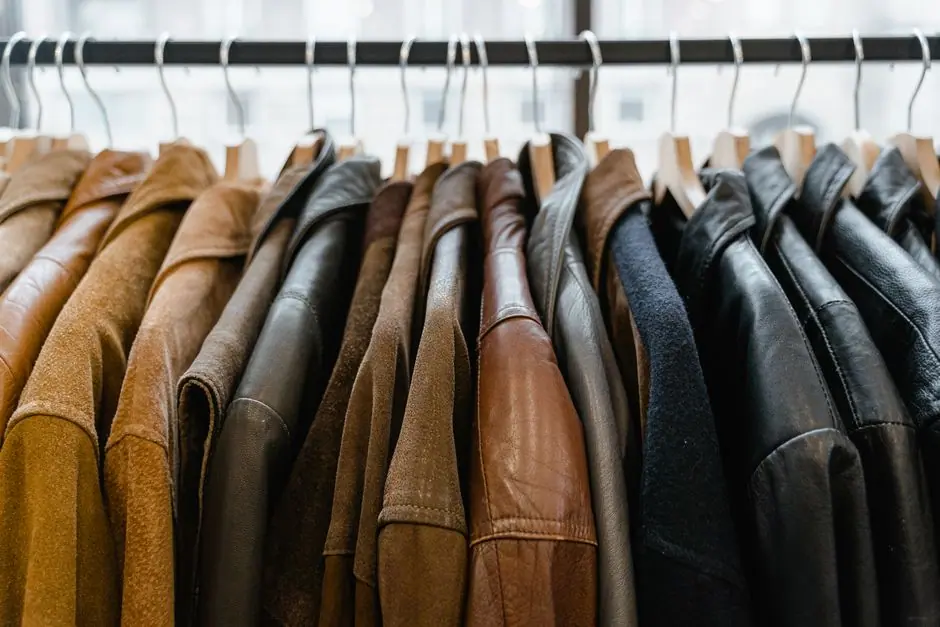
Fashion affects about 1.45bn hectares of farmland, or just over 30% of all farmland in the world. Almost all of it is grazing land for livestock that supplies leather and wool, not cotton fields. That is the finding of a report, "Climate and agricultural impact of textile production", by the University of Oxford's Smith School and the charity DIRT Charity.
Leather is linked to about 876m hectares, wool to about 528m and cotton to 34.7m. Flax and hemp together take up 5.9m hectares, and silk 2.3m. Put another way, leather and wool cover more than 1.4bn of the 1.45bn hectares, while cotton uses about 25 times less land than leather.
Earlier estimates were much lower because they counted only crops such as cotton, flax and hemp. The new report also counts the grazing land for the animals that supply leather and wool.
What land the report covers
The 1.45bn figure does not mean fashion "owns" this land. DIRT founder Arizona Muse said: "We measured the land that this industry is in a position to shape." Much of the grazing land also serves meat and milk, so the report points to another conclusion. According to Muse, "giving up leather and wool does not give back a single hectare".
Cotton is not all for clothes either. The report says about 40% of the crop is fibre for textiles, and about 55% is seed for oil and animal feed.
What weighs more: the farm or the energy
The authors say the way a fibre is made often matters more than the type of fibre. Cattle leather, for example, produces from 8.5 to about 152kg of carbon dioxide equivalent per square metre, a gap of more than 17 times. This measures greenhouse gases, calculated as carbon dioxide.
Mycelium "leather" is made from the threads of fungi and is often sold as a cleaner alternative. In the report, the two types studied differ by about 20 times. One, made with clean energy, produces 2.76kg per square metre. The other, made with a lot of coal power, produces about 57kg, which is more than ordinary leather. Viscose from wood also varies widely, from 0.2 to 8.3 tonnes per tonne of fibre.
On trial farms using biodynamic methods in Egypt, pesticide use fell to under 10% of the earlier amount, and cotton yields rose by nearly 30%. On the other hand, some studies find yields from organic and biodynamic farming are 20–34% lower, though the comparison is often between a single crop and a monoculture.
What the report cannot tell us, and what the label says
The report is mostly a review of existing studies and has not been through peer review. DIRT itself has an interest in biodynamic certification becoming standard in textiles, and the research was started by the charity. The author admits that studies of whole farms over whole years are few. Also, very little fibre and leather comes from farms certified for whole-farm management.
For shoppers, this means the label says what a garment is made of, but not how it was produced. According to the report, the fibre content gives "very little" idea of the real impact. Since 27 September 2026, the EU's Empowering Consumers Directive has been in force, limiting general environmental claims.
The sources have no separate data for Bulgaria.
Together with DIRT, Biodynamic Federation Demeter International is developing a textile standard that will cover 11 categories of raw materials.




Comments (0)
No comments yet.