
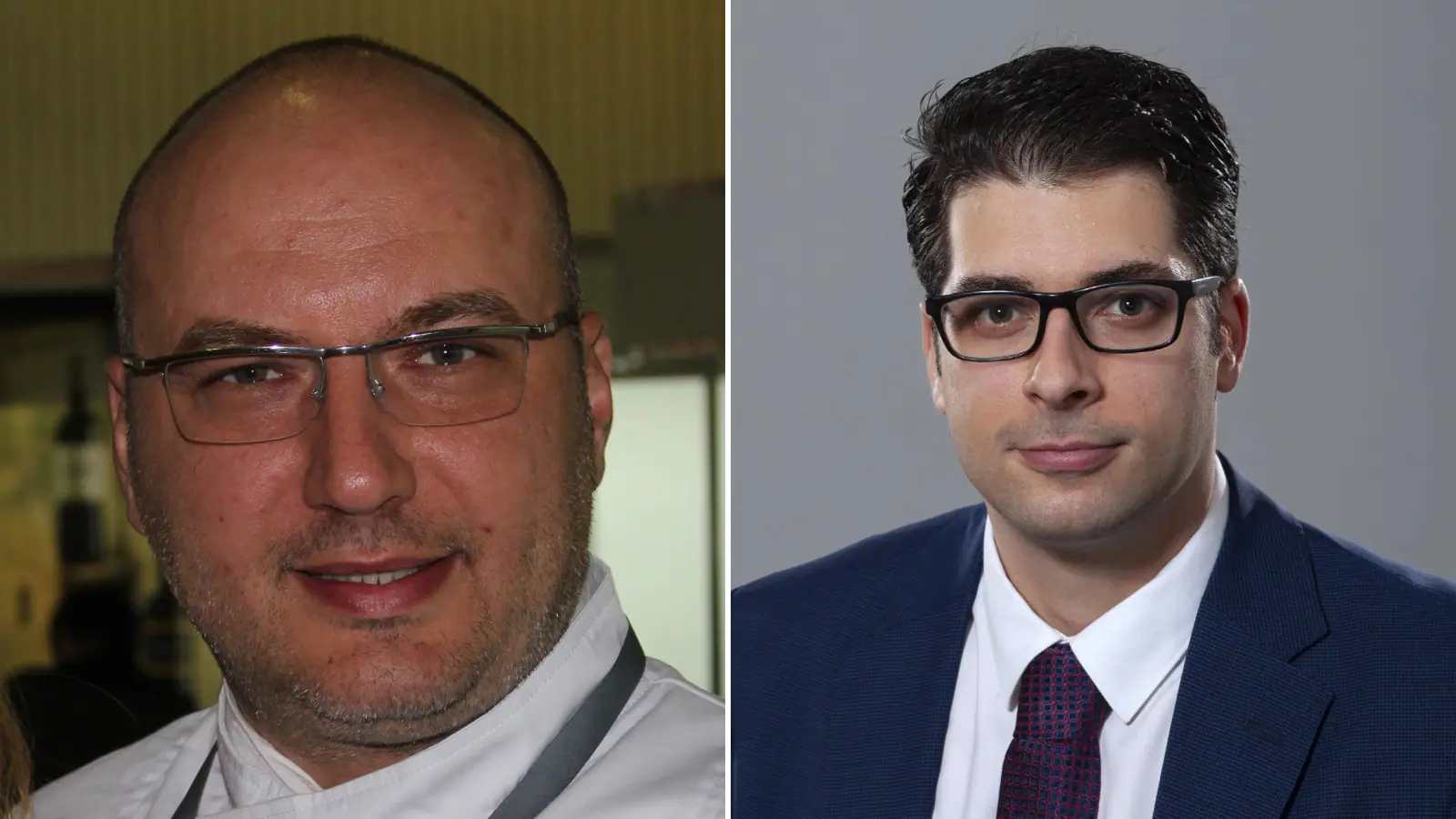
Restaurant food should be taxed at 9% VAT again instead of the current 20%, says chef Ivan Manchev. He says restaurants across Bulgaria are closing in large numbers.
Manchev wants the lower rate to apply only to food, with drinks staying at the current rate. Restaurants had a reduced rate during the COVID-19 pandemic. Hotel accommodation still pays 9%.
Manchev says the biggest problem is that the two are taxed differently. In his view, restaurants and hotels are "one business". Hotels sell the night and the food at one price, and the food is not counted separately as it is in restaurants, he explains. That leaves stand-alone restaurants worse off.
About 90% of hotels in Bulgaria sell all-inclusive and half-board packages, Manchev says, based on what he has seen. He does not blame hoteliers, because they use the options the state has given them. He calls the state's attitude to restaurants not serious and short-sighted.
The chef is filming a new season of "Kitchen Nightmares" and visiting restaurants around the country. In many places prices are fairly affordable, and owners find it harder and harder to keep their businesses going, he says. Manchev believes restaurants are closing because they have no staff and the high rate weighs on them.
Manchev disagrees that eating out is more expensive in Bulgaria than in Western Europe. Some point out, for example, that a pizza in a neighbourhood restaurant in Italy costs €7, and in Sofia €10. He says such comparisons rest on single cases and do not give an accurate picture. In Milan, where his daughter lives, people pay quite a bit more than in Sofia, and the same goes for many other European cities, he says.
Former deputy prime minister Atanas Pekanov has also criticised restaurant prices. He says the war and the switch to the euro were used as an excuse to raise prices. Pekanov questions the economic logic of Sofia catching up with Vienna and other Western European cities on prices.
Manchev replies that such comparisons must also look at taxes. In Austria, Germany and other Western European countries, VAT on food is lower, and this shows in the final price. Rates there are between 6% and 9%, he says, though the actual tax depends on the country and the type of supply. Manchev asks when VAT on food will be cut in Bulgaria too.
He rejects claims that restaurateurs took advantage of the lower VAT during the pandemic without bringing prices down for good. He says a lower rate would ease the burden on business and allow more competitive prices. The tax also affects whether restaurants can invest, keep staff and grow.
Manchev believes the state keeps the rate because VAT brings large revenue to the budget, but that it does not hear the sector's requests and does not help it. He says officials should look at what the whole business needs and how to help it.
Tourism is among the biggest employers, pays social security contributions and makes a substantial contribution to the budget, Manchev says. So, he argues, tax policy should be guided not only by VAT revenue but by the full importance of the industry. According to his figures, about 400,000 people work in tourism.

Comments (1)
Девет процента? Сериозно ли? И то Иван Манчев го говори! Явно нещо не съм разбрал досега. 🇧🇬