
A few years ago, conversations about artificial intelligence were mainly about models, algorithms, and software. Today we increasingly hear words like "HBM4", "ASIC", "AI factory", "quantum-centric architecture". Behind every impressive chatbot or generative model stand huge data centers and chips worth billions of dollars. The year 2026 is already shaping up as the moment when the battle for AI dominance finally turns into a race for specialized "hardware".
From general-purpose GPUs to specialized accelerators
For years, graphics processing units (GPUs) were the "gold standard" for AI – the same chip could train models, render games, and accelerate scientific simulations. But the appetite of artificial intelligence is growing faster than Moore’s law. Analysts expect the AI accelerator market alone to reach hundreds of billions of dollars by 2030, with specialized chips driving most of that growth.
We are witnessing a transition from "one chip for everything" to architectures optimized for specific tasks: training giant models in the cloud, fast execution (inference) in data centers, edge AI in phones, cars, industrial sensors. Each of these tasks has different requirements – memory, latency, energy efficiency – and the general-purpose GPU is no longer the optimal answer everywhere.
2026: the year of specialized AI chips
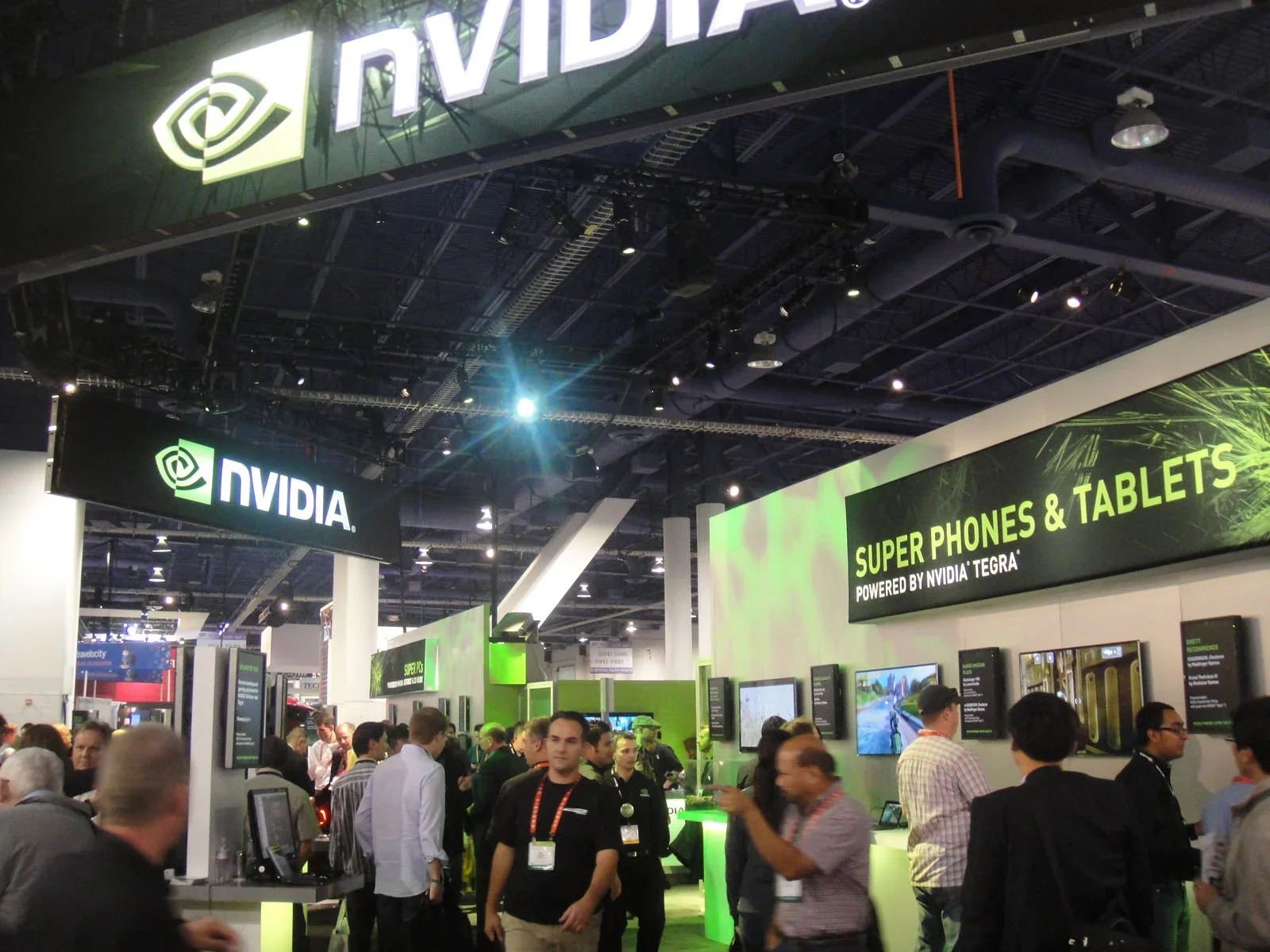
The big names in hardware are racing to position their platforms. Nvidia still dominates the training of the heaviest models, holding about 80–85% of the AI chip market, and the new "Blackwell" and "Rubin" generations are aimed at even larger, longer-context models and a lower cost per token.
AMD is pushing aggressively with its Instinct line (MI300/MI450), already integrated into supercomputing clusters capable of training models with tens of percent more parameters thanks to massive HBM4 memory and extremely high bandwidth. Intel, Qualcomm and other players are betting on their own accelerators – for data centers, but also for edge devices where every watt counts.
In parallel, major cloud providers and AI platforms – Google, Amazon, Microsoft, Meta, OpenAI – no longer want to depend only on third‑party chips. They are designing their own ASICs, optimized for their models and software stacks. "Owning your silicon" is becoming a strategic asset, similar to having your own social network or search engine.
From data centers to "AI factories"
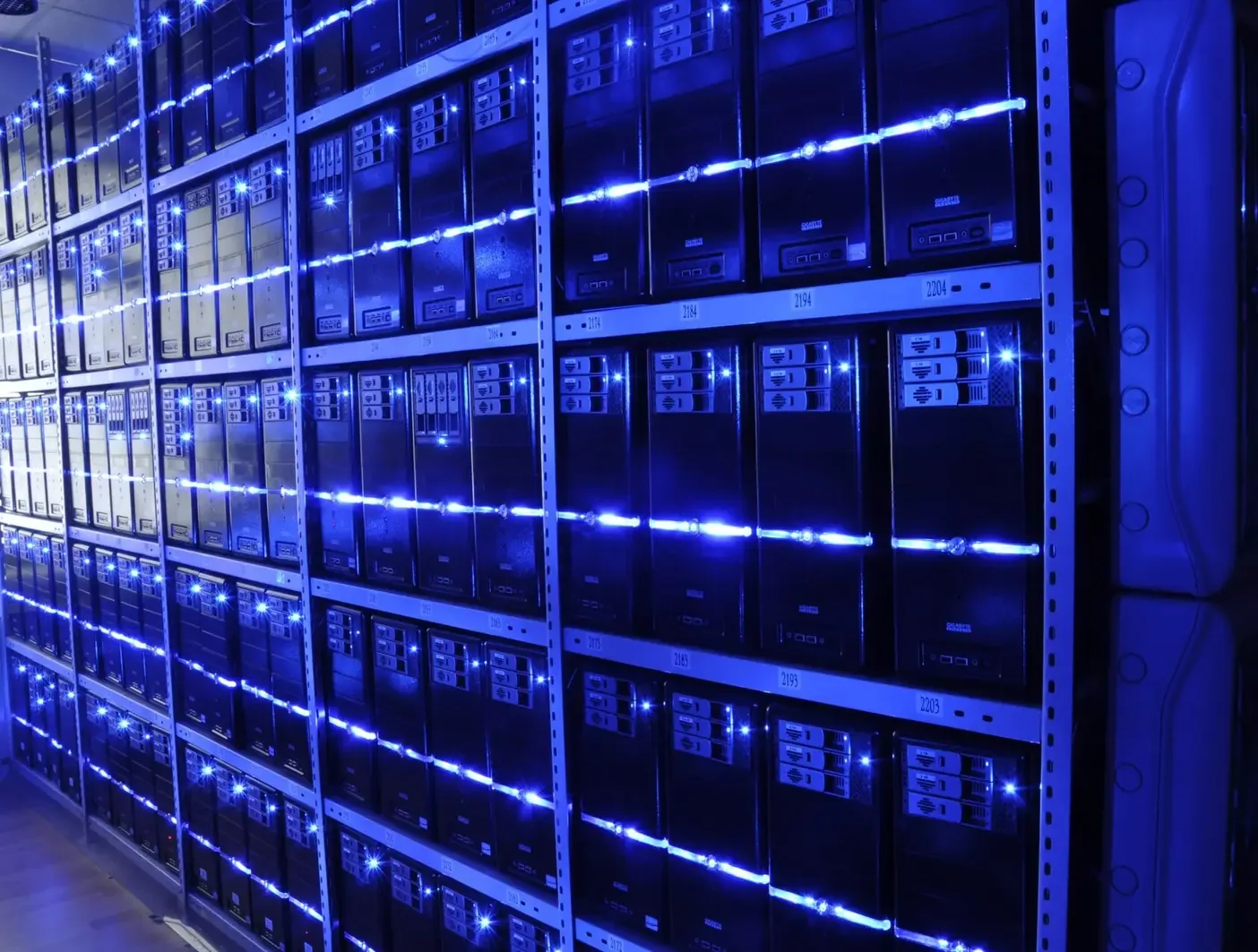
The year 2026 is also when the term "AI factory" leaves presentations and enters investment plans. Nvidia, for example, talks about a goal of helping build gigawatts of "AI factories" by 2030 – giant data centers designed specifically to train and serve AI models 24/7.
The idea is simple, but the scale is new: these are not just server rooms, but industrial facilities where the "raw materials" are data and electricity and the final product is models and computations. They are planned as next‑generation infrastructure – with dedicated power contracts, cooling solutions, high‑speed optical networks and optimized racks in which everything – from GPUs to DPUs – is designed for AI.
What used to be "a few machines in the basement" has turned into buildings costing hundreds of millions and sometimes billions. Involved are not only IT companies, but also energy providers, construction firms, industrial giants. When we say that AI is "the new electricity", here we see it literally.
Quantum‑centric architectures: the new layer above AI
While the battle for AI chips is being fought today, another – more long‑term – revolution is being prepared in the labs: quantum‑centric supercomputing. IBM and AMD, for example, have announced a partnership to build "quantum‑centric" supercomputing platforms that combine quantum processors (QPUs) with classical CPUs, GPUs and AI accelerators.
The idea is not to completely replace classical chips but to augment them: complex tasks such as molecular modeling, optimization problems and cryptography are solved in a hybrid mode – the quantum chip works on the hardest parts while GPUs and CPUs handle the rest. In this model, AI plays a dual role – both as a consumer of this power and as a tool for quantum error correction and managing complex quantum systems.
"Quantum‑centric architecture" means precisely this: the center of the supercomputer is no longer just the CPU, but an ensemble of heterogeneous chips arranged around the quantum processor. This will not become everyday reality for ordinary users in 2026, but the year shows something important – the big players are already building a bridge between AI and quantum technologies.
2026 as a turning point
The year 2026 is neither the beginning nor the end of this story, but it is a clear turning point. We are no longer talking just about "new graphics cards" but about entire ecosystems: specialized AI accelerators, quantum‑centric supercomputers, "AI factories", proprietary silicon at every major platform. Online, real "arms race" analyses are being waged over who will lead – Nvidia, AMD, Intel, Qualcomm, new ASIC players or the cloud giants with their own chips.
One thing is clear: in an economy where intelligence becomes the new fuel, chips are its refineries. And 2026 is the year when everyone started building such refineries at the same time – from Silicon Valley to Asia. What the world will look like after this race remains to be seen. But it is certain that after it the word "hardware" will no longer mean just "computer", but an entire infrastructure for thinking.



Comments (10)
Абе тва с чиповете става все по-сериозно, а? 2026... значи наистина ще се нахвърлят всички за тия специализирани неща. Европа трябва да го хване влака, нема как! Иначе руZите пак ще се правят на интересни ама докато те направят един чип, ние вече ще имаме десет фабрики. Дано поне у нас нещо се направи, че все ни оставят назад... Яко
Ааа, 2026… Сериозно ли? Баси
абе хора, сериозно ли говореме за 2026? годината на чиповете... уж дотогава ще е голяма лудост с тия специализирани процесори за ии. аз си мисля, че това е супер важен момент за българия. не може да си позволяваме да стоим назад, като бабички в интернет!
абе, хора… 2026? годината на чиповете... мамка му, наистина ли е толкова скоро? все едно вчера си говорихме за nft-та и блокчейн. сега се хващаме за тия ии чипове.
Абе, хора, наистина ли става голям купон с тия чипове? 2026… звучи малко футуристично, но явно скоро ще се наложи да ги учим всички. ИИ-фабрики... хаха, какъв свят! 😁