
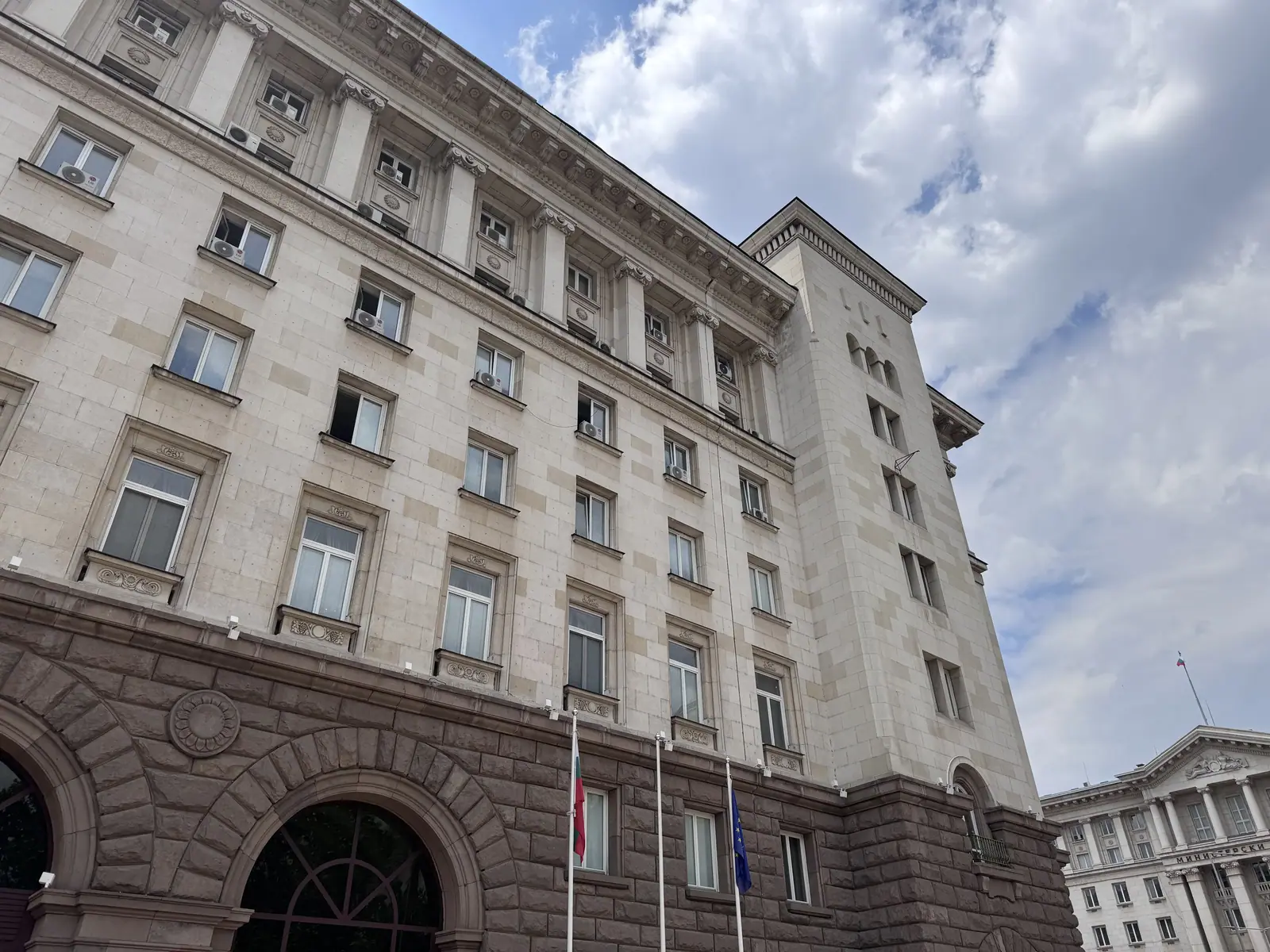
Anyone who rents out rooms will still have to file a yearly tourist tax return, after a parliamentary tourism committee threw out a bill that would have scrapped it, at first reading. MPs voted 2 in favour, none against and 11 abstained.
Dimitar Naydenov and a group of MPs from Democratic Bulgaria put forward the changes to the local taxes and fees law on August 28, 2026. They want to drop the standard tourist tax form for the previous year, required under article 61r, paragraph 5, which currently has to be filed by January 31. The bill would also spell out more clearly what the tourism ministry and the finance ministry each have to do when they swap data automatically through the unified tourist information system, known as ESTI.
Naydenov said the yearly form just repeats data already sitting in ESTI, which councils can see for themselves anyway, and filing it twice risks the two records not matching. He said the point is to cut paperwork for people who rent out rooms, and the changes won't cost the state or local budgets anything extra, since they run on systems that already exist.
Committee chair Rositsa Kirova, of GERB-SDS, said the finance ministry is against the bill.
Deputy tourism minister Georgi Todorov said the proposal is just one small piece of a much bigger package. The government is putting together a plan to cut red tape, reform local taxes and fees, and pull businesses out of the grey economy, and he said the different pieces need to fit together. The ministry backs the idea behind the bill but has doubts about the timing, Todorov said, adding that ESTI is currently being rebuilt from top to bottom.
Silvia Georgieva, executive director of the National Association of Municipalities in Bulgaria, rejected the idea that the declaration is just needless duplication, saying it also works as an independent check. Scrapping it will only make sense once ESTI can prove the data just as well, or better, she said.
Georgieva set out four conditions the association says must be met first. First, changes to the tourism law and its rules need to take effect, to make sure the data in ESTI is complete, traceable, and that any corrections get checked. Second, ESTI needs to share data automatically, and better, with the finance ministry, the tax agency and municipal systems, there needs to be a backup plan for when ESTI goes down, and money for upgrades, training and upkeep.
Yasen Shterev, of Progressive Bulgaria, said cutting red tape in tourism is the right goal, but warned that dropping the declaration now carries risks. The sector is waiting for a full reform, he said, and doing it piece by piece is not the way to go.





Comments (0)
Все още няма коментари.