
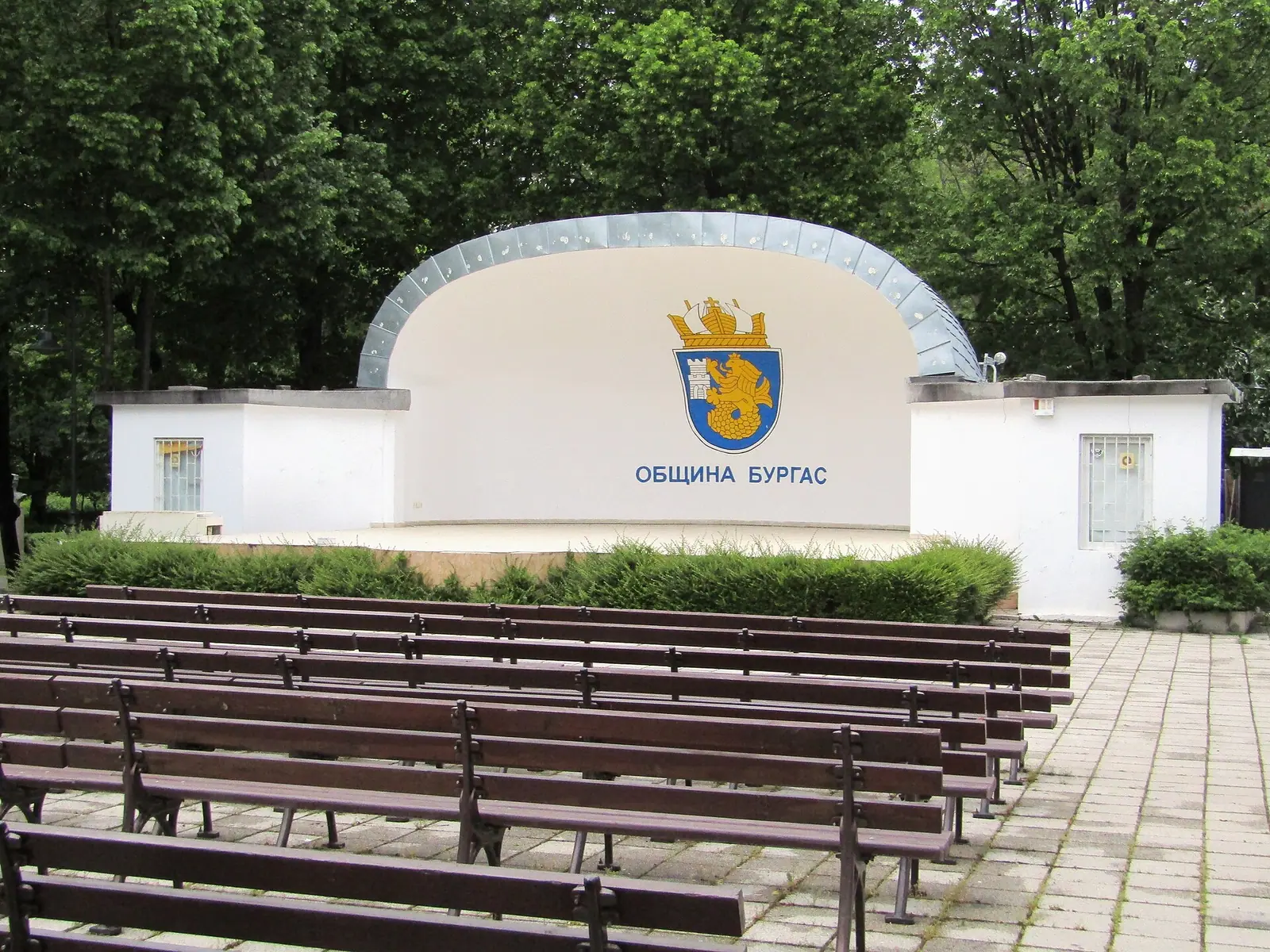
Students and schoolchildren opened the first "Burgas – a World Stage of Languages and Cultures" festival on Friday with greetings in 20 languages, music and dance in a hall at Central Park in Burgas.
Sofia University's Burgas branch and its Faculty of Classical and Modern Philologies organise the event, and Burgas council and partners support it. On Monday, organisers said more than 60 lecturers, students and doctoral students from Sofia University "St Kliment Ohridski" are coming to the city. Entry is free on both days, 20 and 21 November.
On Monday, organizers presented the festival and said the sound and stage effects would be handled by students of the Music Media Technologies and Sound Engineering program.
The main programme is on Saturday, 21 November. Themed areas in 20 languages, workshops and presentations run all day, and one presentation marks 30 years of Armenian and Caucasian studies. Visitors will find Korean HanPanDo games, a corner of Persian literature, albums and traditional handmade items from Iran, photographs from Ho Chi Minh City and traditional Azerbaijani costumes. In the Indian area, visitors can try on clothes. For Romanian culture, there are workshops and presentations.
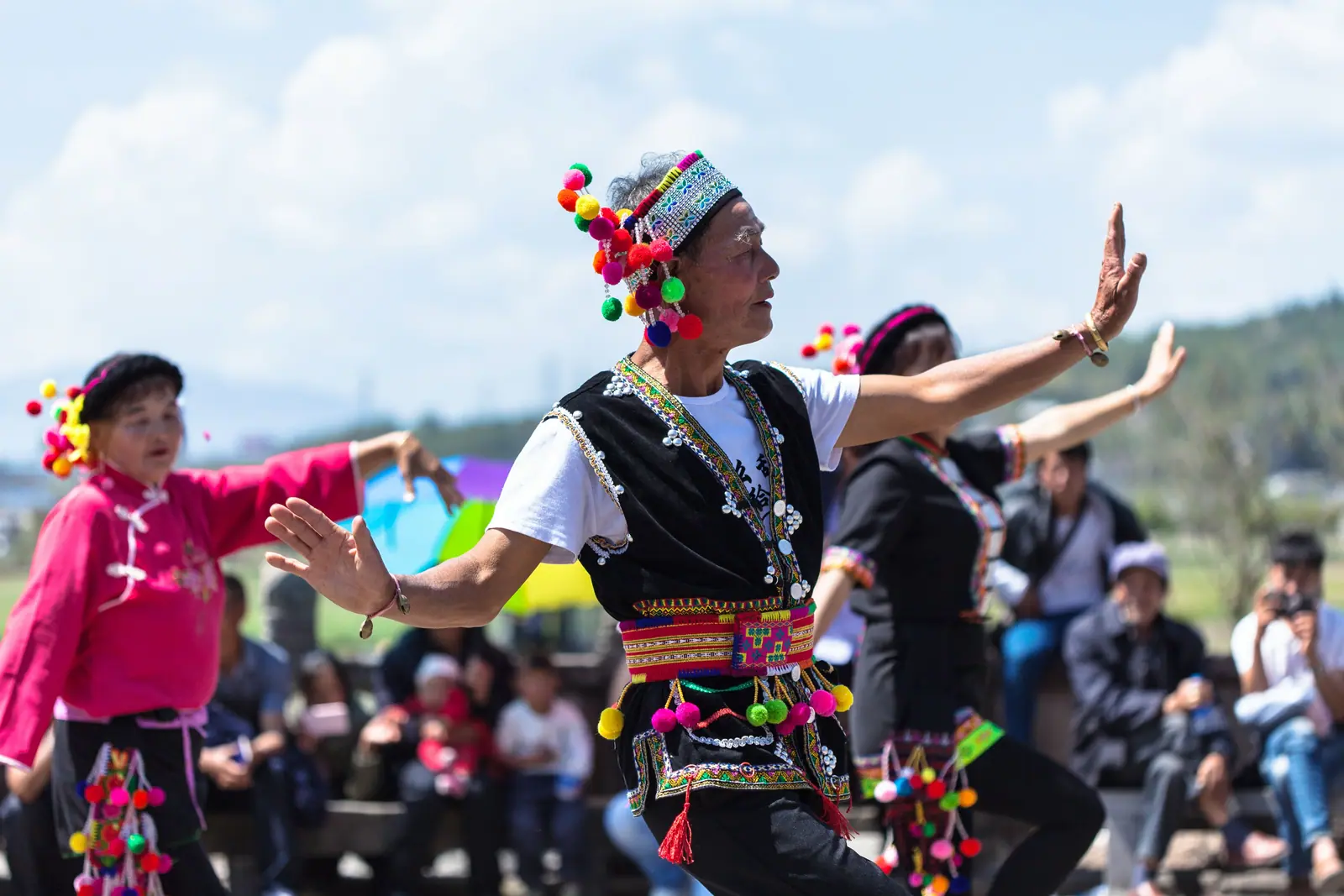
At the opening, students and schoolchildren performed Japanese drumming, French songs, Vietnamese dances, a musical greeting in Chinese, traditional Armenian dances, and Japanese and Chinese songs. The Indian dance from the state of Rajasthan combined two traditional dances that imitate the movements of a snake.
Guests were greeted in Azerbaijani, Arabic, Armenian, Vietnamese, Greek, Indian, Indonesian, Italian, Persian, Chinese, Korean, Latin, German, Portuguese, Romanian, Swahili, Turkish, Hungarian, French and Japanese.
Deputy mayor Mihail Nenov spoke on behalf of mayor Dimitar Nikolov. He said language carries cultural diversity: "It is the only system we can use to tell the past, name the present, and dream up and build the future."
Nenov has discussed with the dean of the faculty, Prof Gergana Petkova, the idea of students volunteering at Eurovision in 2027 and helping guests with their language skills.
Assoc Prof Georgi Bardarov, director of Sofia University's Burgas branch, thanked the council, the partners and colleagues from the faculty. He said the shared aim is for the university to be more visible in Burgas, to have more students and degree programmes, and to help the city grow. "This world is a stage and we are actors in it," Bardarov said, adding that an actor's job is to please people and give them hope.
Prof Petkova introduced the festival with the words: "This world is not black and white at all, and it is not flat at all. It is extremely varied and diverse." She said the event gives the public a chance to learn about different cultures and see the world from many points of view. Through traditions, customs, arts and everyday life from different countries, it shows the range of the faculty. Its programmes run from English philology, Arabic studies and African studies to the languages and cultures of Southeast Asia and Japan. The dean added that the academic community welcomed the choice of Burgas as host with great interest and "a certain dose of noble envy".
Comments (0)
No comments yet.