
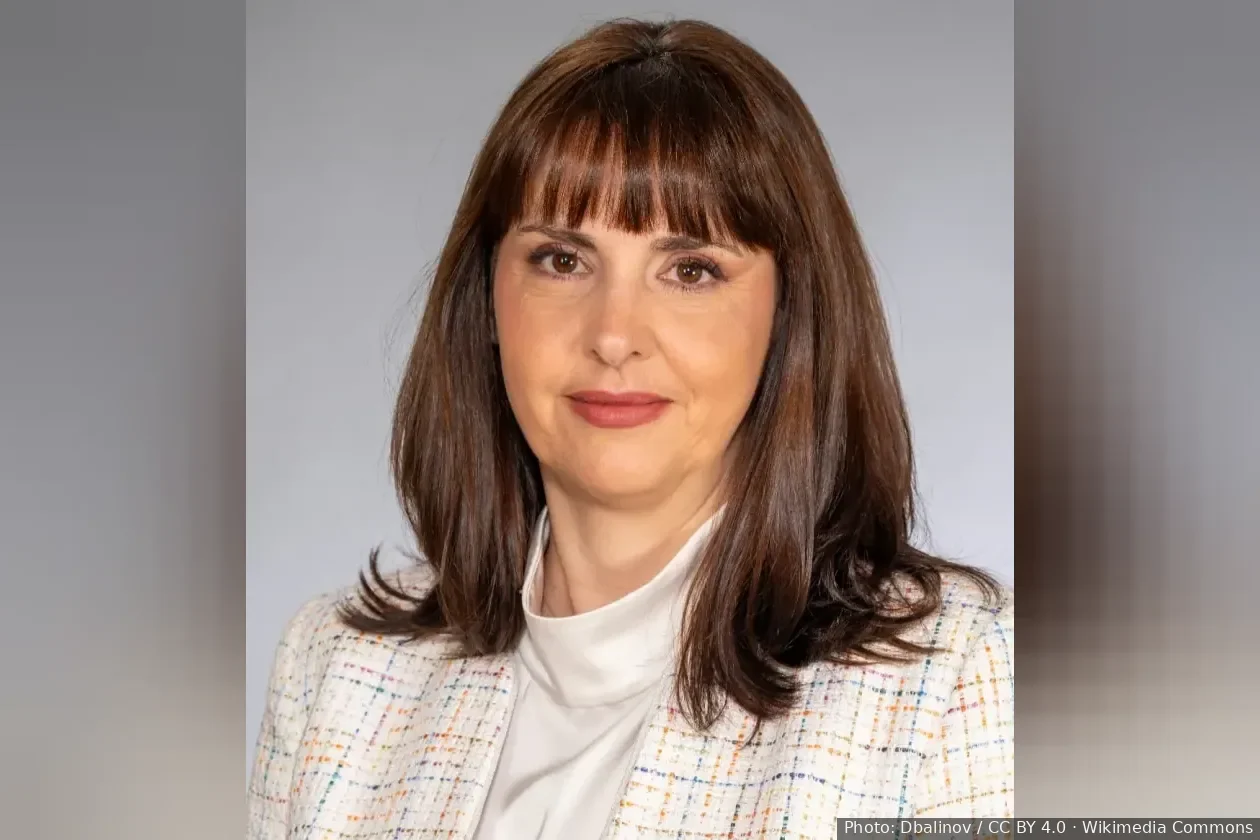
Personal assistants will not get less pay under changes to the Personal Assistance Act, labour and social policy minister Natalia Efremova has promised. She spoke to reporters at the Council of Ministers, a day after "Progressive Bulgaria" submitted the bill.
Under the bill, assistants' pay will no longer depend on the minimum wage. A special contract will replace the employment contract, and the rate will be worked out by a new method, because the legal relationship is of a different kind.
When the hours of service are recalculated, pay may in some cases come out slightly higher, Efremova said.
"Personal assistants will not lose any rights, and they will be able to be insured in the same way," the minister said. The bill also changes the Social Security Code, and time worked as an assistant will count towards social security record.
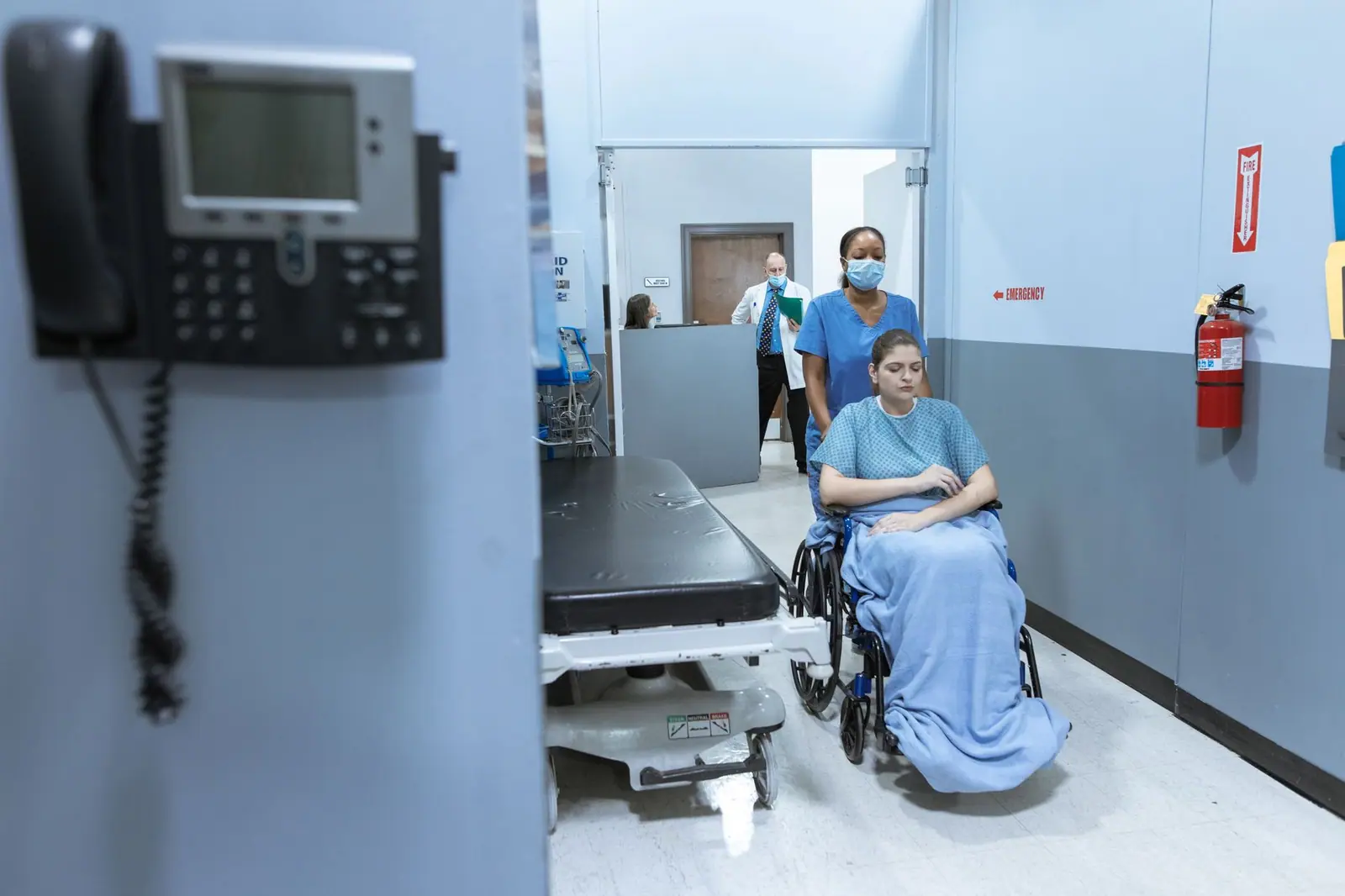
The minister also explained why the contract is changing. An employment contract requires a set workplace, and here the workplace is the home of the person with a disability. When that person goes out with their assistant, for example to a shop, the assistant could formally be seen as not being at their workplace.
She said the special contract suits the nature of the service better and gives people with disabilities more flexible support. She believes it will also let people become assistants who cannot do so now.
The aim of the changes is a better service, better rules for the relationship with assistants and tighter control over how money is spent, Efremova said. The priority remains independent living for people with disabilities.
In most cases, personal assistants are close relatives of the person with a disability.



Comments (0)
No comments yet.