
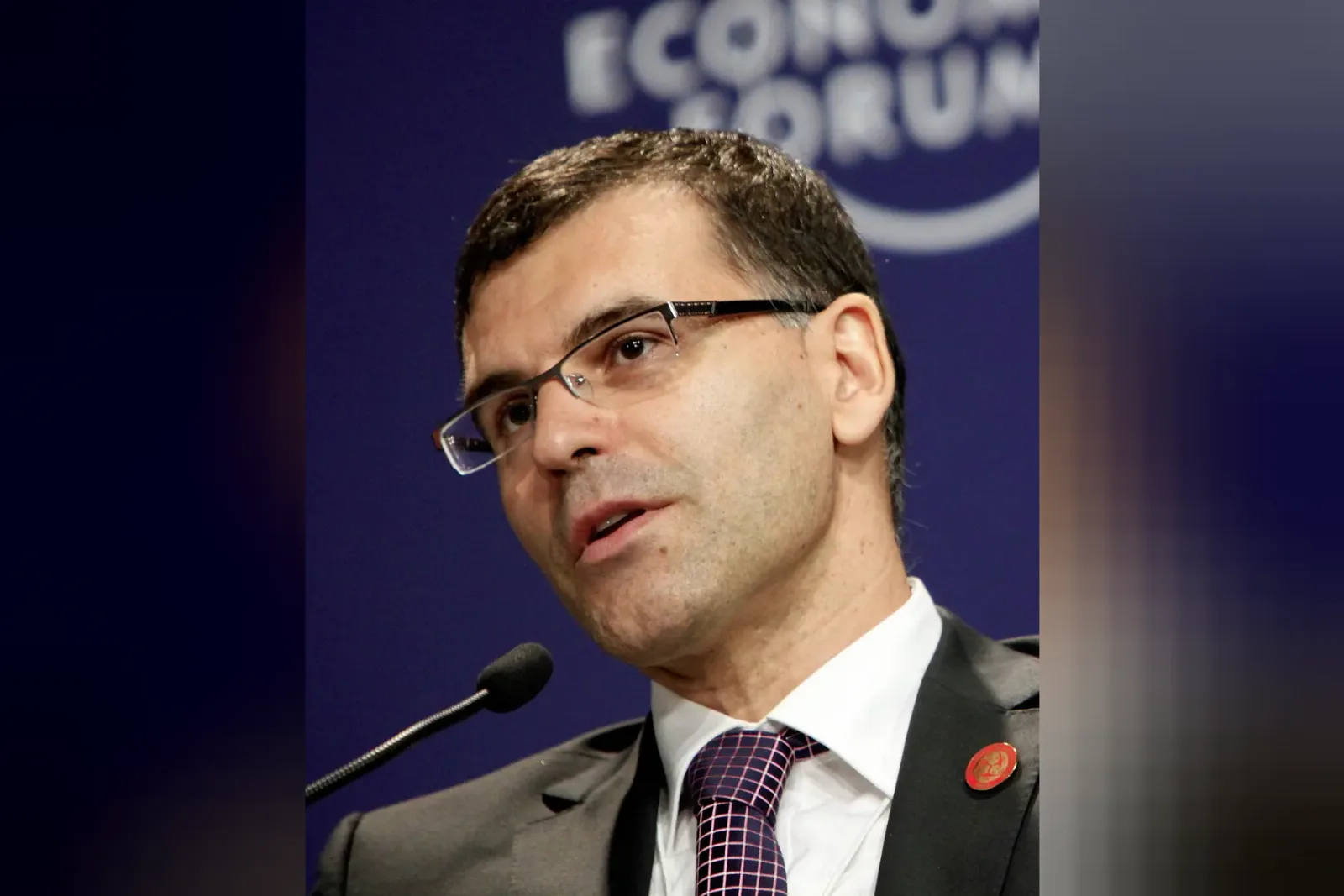
A one-off tax on bank windfall profits proposed by Bulgaria's finance ministry is close to the temporary schemes in Czechia, Lithuania and Italy, says Simeon Dyankov, head of the Fiscal Council, in an analysis.
The bank tax alone is expected to raise more than €1bn. Dyankov says this will allow a smaller budget deficit without higher VAT, personal income tax or social security contributions.
In September, the finance ministry said it intended to tax windfall profits for 2027. Besides banks, the list includes insurers and reinsurers, food retailers with at least five outlets, telecoms firms, currency exchange offices and fast-loan companies.
The Association of Banks in Bulgaria opposes the extra tax and wants it dropped. In a statement earlier this month, it said the tax threatens banks' ability to lend to the economy and breaches national and EU law.
Dyankov says bank profits since 2022 come largely from changes in interest rates, not from new investment, technology or extra business risk. Key interest rates in Europe have gone up, and income from loans has grown fast, while rates paid on deposits have risen more slowly. This has widened sharply the gap between the two, which is how a bank makes money.
Dyankov says a one-off tax limits long-term uncertainty over bank capital and lending. He says that for Bulgaria it does not mean a general rise in corporate tax for banks. A more precise option, he says, is a temporary tax on profit above a set historical rate of return, with a clear end date.
Dyankov says the revenue can be tied to a specific public need: temporary extra income covers temporary extra spending, so the government avoids taking on new debt or raising other taxes. In Slovenia, the extra bank tax was introduced after the floods of 2023, and the money goes to reconstruction.
Banks pay an extra levy in 12 EU countries: Belgium, the Netherlands, Slovenia, Estonia, Latvia, Lithuania, Czechia, Romania, Slovakia, Hungary, Spain and Italy. The schemes differ: some tax windfall profit or extra net interest income, others tax banks' revenue, assets or liabilities. The common idea is that when returns are high because of changes in interest rates, part of them goes to public finances for a time.
In Czechia, the scheme runs from 2023 to 2025, with an end date set in advance, and the rate on windfall profit is 60%. Lithuania has a temporary solidarity contribution on extra interest income. Spain taxes banks' income from interest and fees, and in Italy the one-off payment is linked to the rise in this income.




Comments (1)
Милярд евро?! И наистина ли е толкова голяма печалбата им? Интересно кой ще провери дали всичко е наред!