
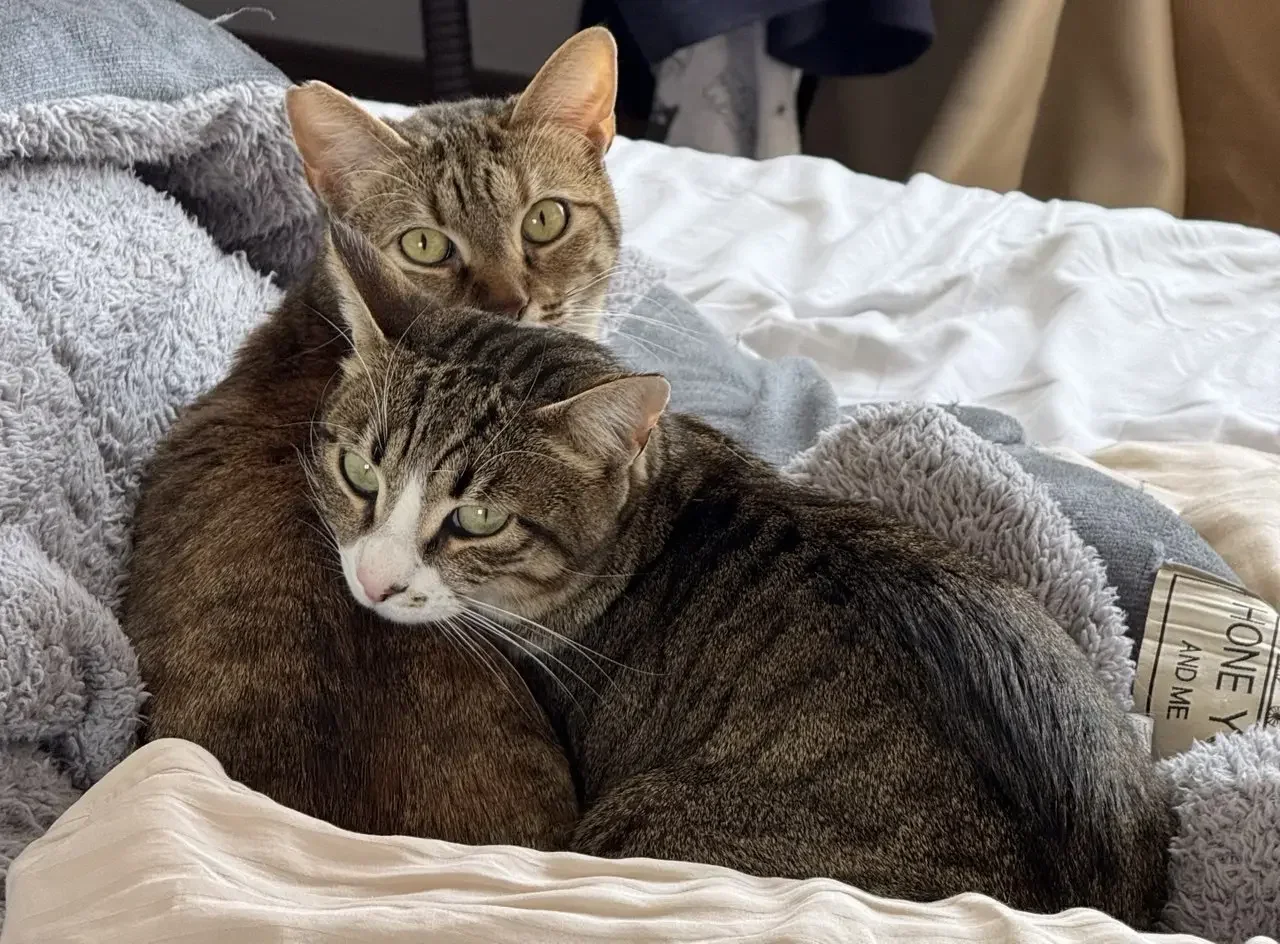
When we say that animals "sense" more than we do, we often do it with a smile. But there's a lot of reality behind that. Dogs that behave strangely minutes before an earthquake. Horses that greet their friends nose to nose and know by smell who is "one of their own". Cats that move confidently in the semi-darkness, where we mainly see shadows - their night vision ability is up to 6 times better than ours. These are not magical gifts, but senses tuned much more finely than human ones - and when we live together, these abilities become part of our daily lives as well.
"The dog knows first": the anxious friend before an earthquake and before a panic attack
Stories of dogs that start barking, hiding, or running restlessly shortly before an earthquake have been told for a long time. Many testimonies describe how in minutes, and sometimes hours before a tremor, different animals - including dogs - exhibit unusual activity and anxiety, as if they "sense" that something is coming. Scientists suggest that they probably perceive the very early vibrations in the ground or high-frequency sounds that our hearing does not pick up, but theirs does.
In real life, this often looks quite prosaic: a dog that suddenly refuses to stand still, starts circling, whimpering, looking for its owner. Sometimes it turns out that minutes later the lamp above the table shakes slightly, the cabinets rattle and we realize that "something has passed". Even if science says that this is not a reliable early warning system, for the people who have experienced it, the feeling remains that their pet sensed the danger before them.
Dogs that "read" our mood
In addition to natural signals, dogs are also extremely sensitive to our inner "earthquakes" - stress, anxiety, sadness. They pick up changes in our voice, posture, gait, even our smell - under stress and fear the chemical "signature" of sweat and breath changes, and dogs are masters at sniffing out nuances.
Anyone who has lived with a dog knows that look that says "something's wrong with you" before we've even admitted that we're feeling down. Some animals lie at our feet, others try to move us, others bring their favorite toy - all small gestures with which the "sensor" in them reacts to our emotional state. It's no coincidence that dogs are also used as therapeutic assistants for anxiety, panic attacks, and post-traumatic stress.
Horses: "hello" nose to nose and the smell of trust
With horses, the nose is something like a business card. They often greet each other by getting close nose to nose, inhaling and exhaling - a literal exchange of scent. That's how they recognize who are the familiar ones, who is new, who is calm or tense. The observations of owners and trainers show that in this way horses not only identify "who's who", but also gather information about each other's health and mood.
When a person is involved in this communication, the picture becomes even more interesting. Many horses like to "sniff" the person - the hand, the shoulder, even the face. People who have been working with them for years say that this is a kind of "permission": "Allow me to feel you, so I know who you are." In therapeutic programs with horses - for children, people with anxiety or trauma - it is this quiet dialogue through the nose and body that is often the first step towards trust: the animal will not be impressed by beautiful words, but reacts to our real state.
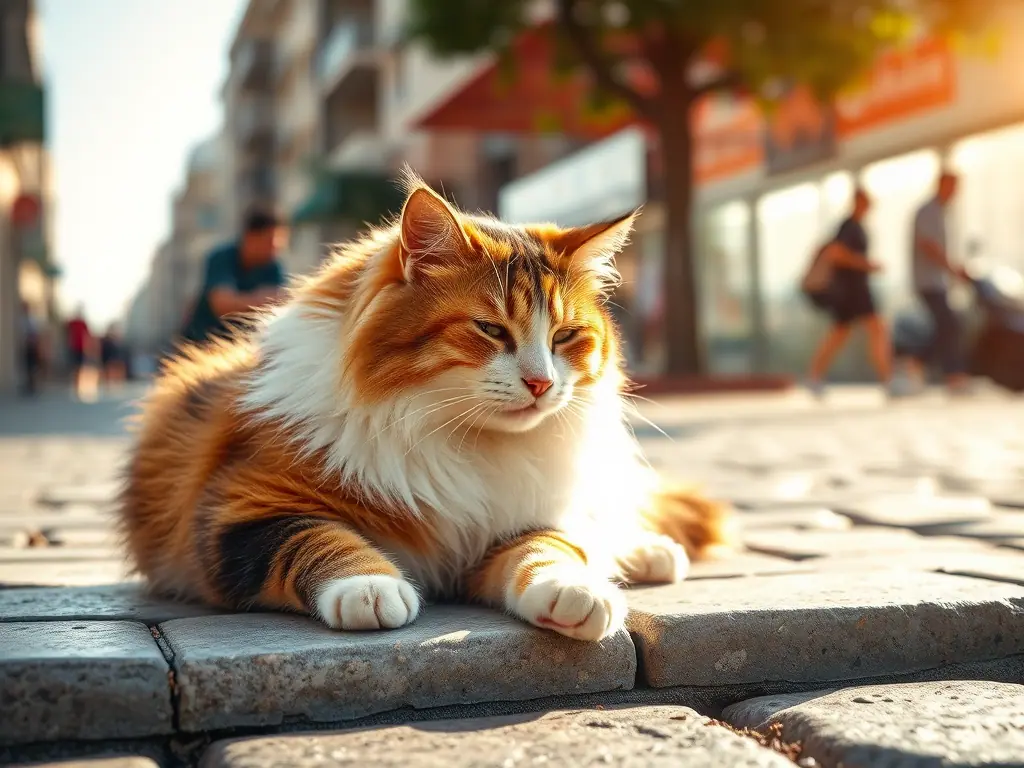
The cat - the night guardian with a vision six times more sensitive
Cats are legendary for "seeing in the dark". In practice, they don't see in complete darkness, but they can orient themselves with light up to about 6 times weaker than what we need to distinguish objects. Their eyes are full of rod cells, which are much more sensitive to weak light, and a special layer in the retina - "tapetum lucidum" - reflects the light back and amplifies the effect, which is why their eyes "glow" in the dark.
In a common household, this ability means something very specific: while we bump into chairs when getting up at night, the cat moves confidently, jumps on narrow surfaces, stalks shadows and plays in hours when it seems to us that "nothing can be seen". She senses small movements - an insect, a slight movement of the curtain, a person passing by quietly - long before we realize what is happening. And sometimes, while we are sleeping, it is the cat who will be the first to hear something unusual behind the door or at the window.
Animals as "sensors" in the common home
When we live together with a dog, cat or horse, their senses gradually become part of our sense of security and comfort. The dog that reacts to every sound on the stairs eventually teaches us to distinguish which noises are "normal" and when something really happens. The cat, who is the first to open her eyes and "listen" in the dark, often makes us listen too. The horse that refuses to be ridden by someone clearly shows that this person is tense or inconsistent - a signal that sometimes the trainer senses later.
These animals are like living, walking sensors - but unlike machines, they don't give numbers and diagrams, but reactions, presence, behavior. They do not "measure" earthquakes, heart rate or stress level, but they often sense and reflect them before we have realized them. And when we learn to listen to them - not as mystical oracles, but as living beings with other senses - our life together becomes richer, safer, and, most importantly, more real.
Perhaps this is the secret advantage of people with pets at home: not only that they have company, but that they share the world with other "frequencies" of perception. The dog, cat or horse cannot tell us in words what they feel, but every day they remind us that reality is wider than what we see and hear alone.

Comments (5)
Абе сериозно ли, коне се познават по носа? 🤔 Това наистина ли е вярно или някаква измислица за да привлекат вниманието? Честно казано, малко ми звучи като приказка... ама кой знае,
Абе, хора, много сте смешни! Да, интересно е, разбира се, ама да не преиграваме! Животните са животни – имат си инстинкти, усещания... Нормално е да ги има тези способности. Нека не го изкараме като че ли кучетата предсказват края
Абе тва с конете деба... познават се по носа? Сериозно ли?! 😂 Ама хайде да си го кажем, аз съм виждал как мойта котка гледа на някакви места в къщата и сякаш нещо я притеснява. Не е като да предсказва земетресения или пък апокалипсиса, ама все пак... Има си животните си усеща 👏
Абе, верно е тва с животните! Моята Пепа (кучето) откакто имам апартамент в София, все се нав 🇧🇬
Абе, верно е тва де! Ама нема да си вадим изводите веднага, а? Животните са си животните – имат си начин да усещат света. Кучето ми напоследък се държи странно... като че ли нещо го притеснява. Дали предсказва 🤦♂️