
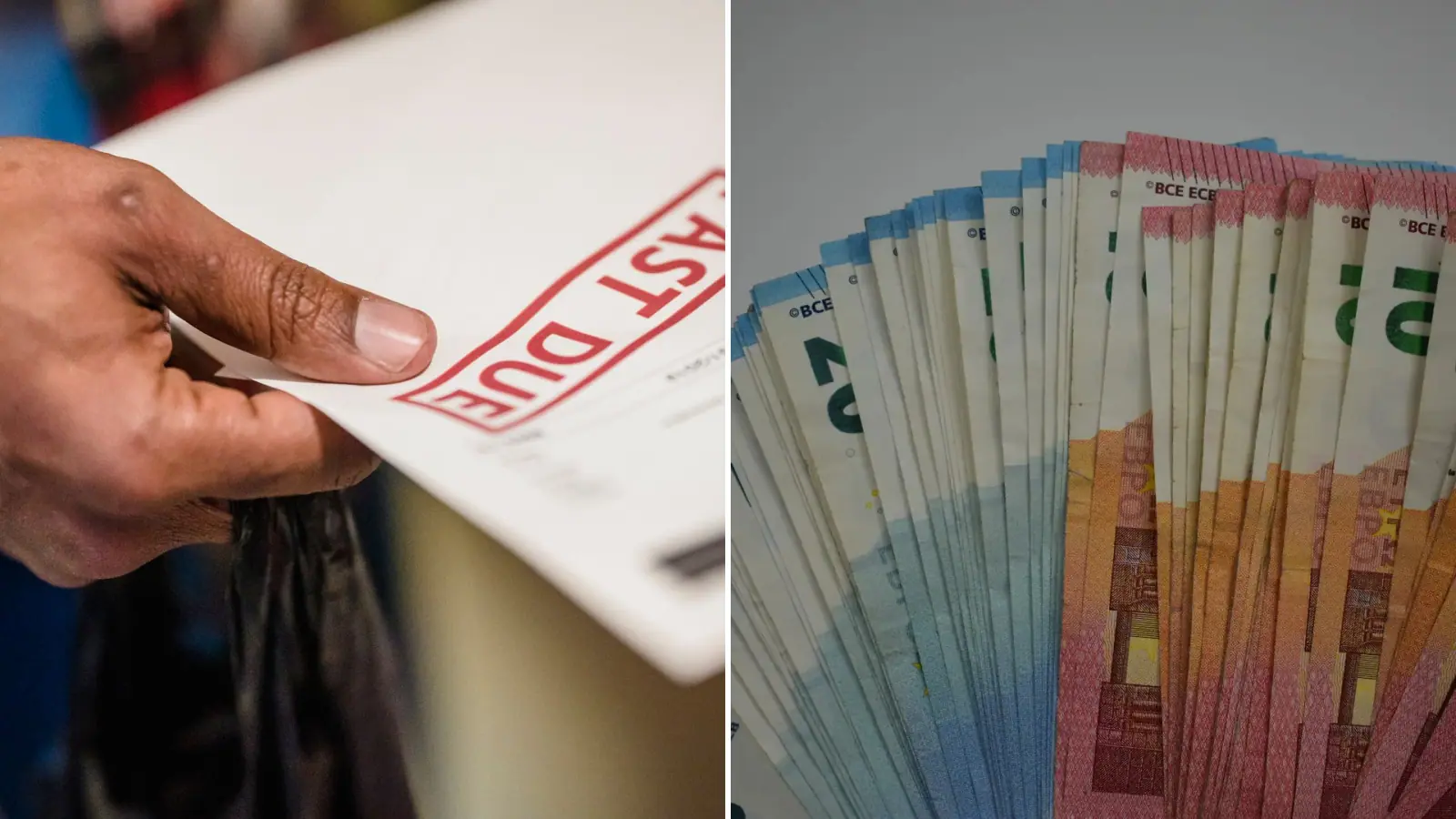
Debtors should learn about a debt in time to pay it, spread the payments or challenge it, before their assets are seized, put under lien or sold, Bulgaria's Chamber of Private Enforcement Agents (KChSI) says. The chamber sent a package of proposals to the justice minister on 28 September. Whether it becomes law has yet to be decided.
Often a debtor finds out about a case only when their bank account or pension is already frozen. Costs pile up in the meantime, and even a small debt grows. An unpaid bill of €50 can turn into a big problem for a family budget.
The package is called "Prevention instead of coercion". Under the first proposal, the debtor's property stays untouched during the first stage of voluntary settlement: no account freezes, no liens and no sale. The debtor gets details of the claim and is referred to a lawyer. They are also told whether they qualify for free legal aid. Anyone who cannot pay in one go can ask to delay or spread the payments. A debtor who disagrees with the sum can object.
The court stays in the process. If the debtor neither pays nor objects, a record is drawn up, and the court uses it to issue a writ of execution.
The chamber also proposes that private enforcement agents certify facts and circumstances that can later serve as evidence in court. This would cover disputes over poor repairs, flooding, noise, power cuts or online posts. Where needed, the records would include audio or video recordings.
A third proposal is voluntary online auctions, in which owners decide themselves to sell their property. The aim is a more open process, a better price and no forced sale. The chamber also wants further changes to the system, based on the experience of other European countries.
"Every year new records are broken for loans, and crises come suddenly and without warning," said KChSI chairman Georgi Dichev. The chamber says wars, costly oil and rising state debt make it even more important to protect people from a financial trap. Dichev said that in other countries coercion is a last resort. He believes the proposal can cut costs and court disputes, rather than raise enforcement agents' income.
Dichev spoke at a joint seminar of KChSI and the Romanian chamber of enforcement agents in Bucharest. In Romania, voluntary settlement of debts has been written into law since around 2000. After the financial crisis of 2008–2010, Romania's National Bank launched information campaigns and legislative initiatives against the risks of quick loans. Romanian enforcement agents say that for debts under €2,000, no lien is placed on real estate there.
Documents are sent to the debtor's permanent address. If the debtor cannot be found or refuses to accept them, they are left in the mailbox under certain conditions, so the person finds out in time, before their money is blocked. "We track the property, not the person," Romanian enforcement agents say of their approach.
Bogdan Magiar, head of the Romanian chamber, said cases over debts between companies make up less than half of enforcement cases, but they recover more money than cases over debts of individuals.
At a public hearing on 16 June, the proposals were backed by representatives of Sofia City Court, the Bulgarian Chamber of Commerce and Industry, consumer groups and civic associations. Ombudsman Velislava Delcheva proposed that the voluntary procedure be mandatory for debts to utility companies, and gave Serbia as an example.
Personal bankruptcy was also discussed with the Romanians. For now, KChSI does not want private enforcement agents in Bulgaria to handle such cases. Romania's personal insolvency law dates from 2018, and there have been about 900 cases from then until 2026. In 2025 there were 230 applications, and in the first four months of 2026 they already topped half of that number. Bankruptcy does not wipe out the debt automatically: the person's finances are assessed and, if approved, a repayment plan is drawn up. If they fail to keep to it, protection can lapse and forced collection continues.






Comments (0)
No comments yet.