
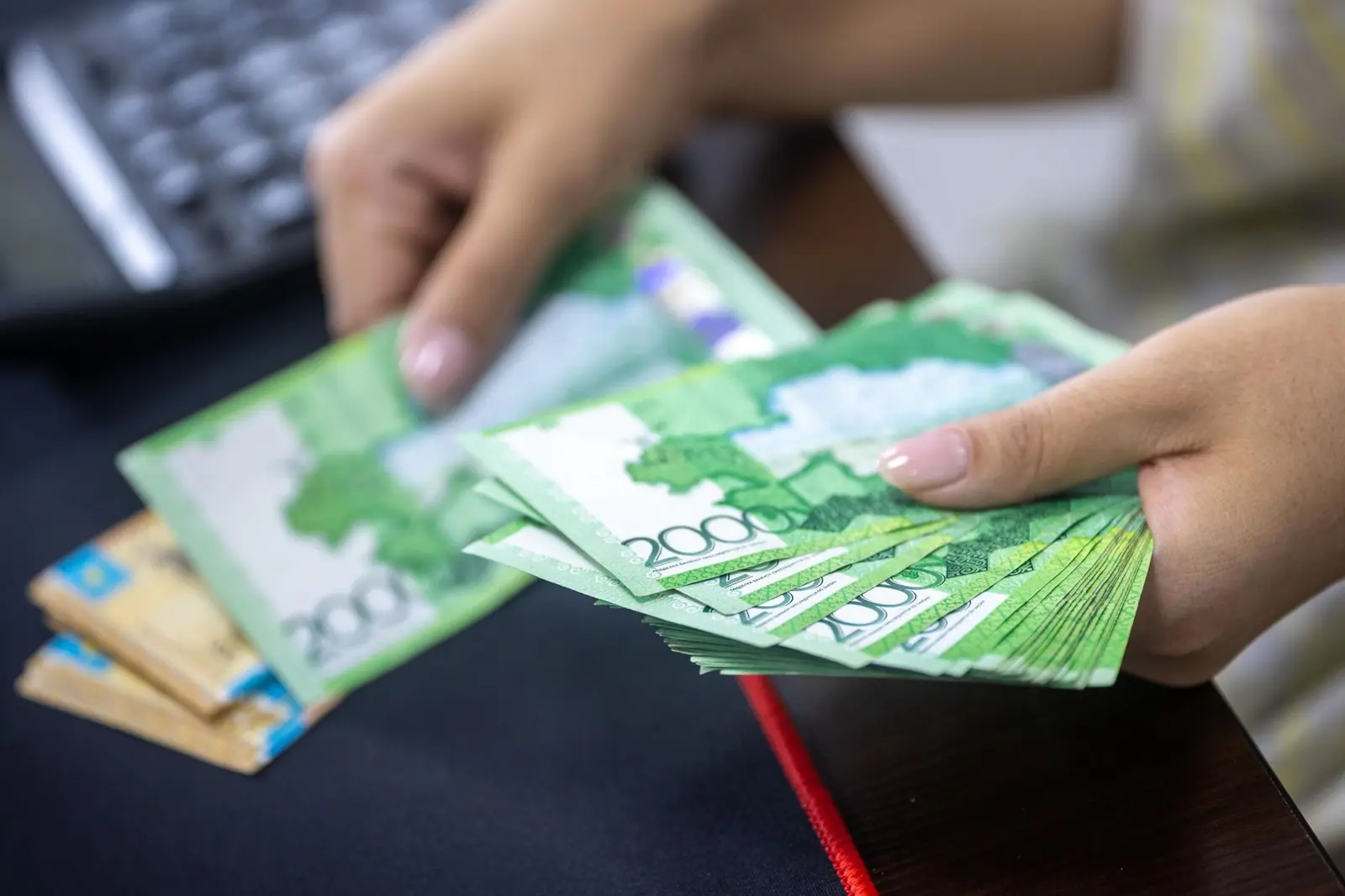
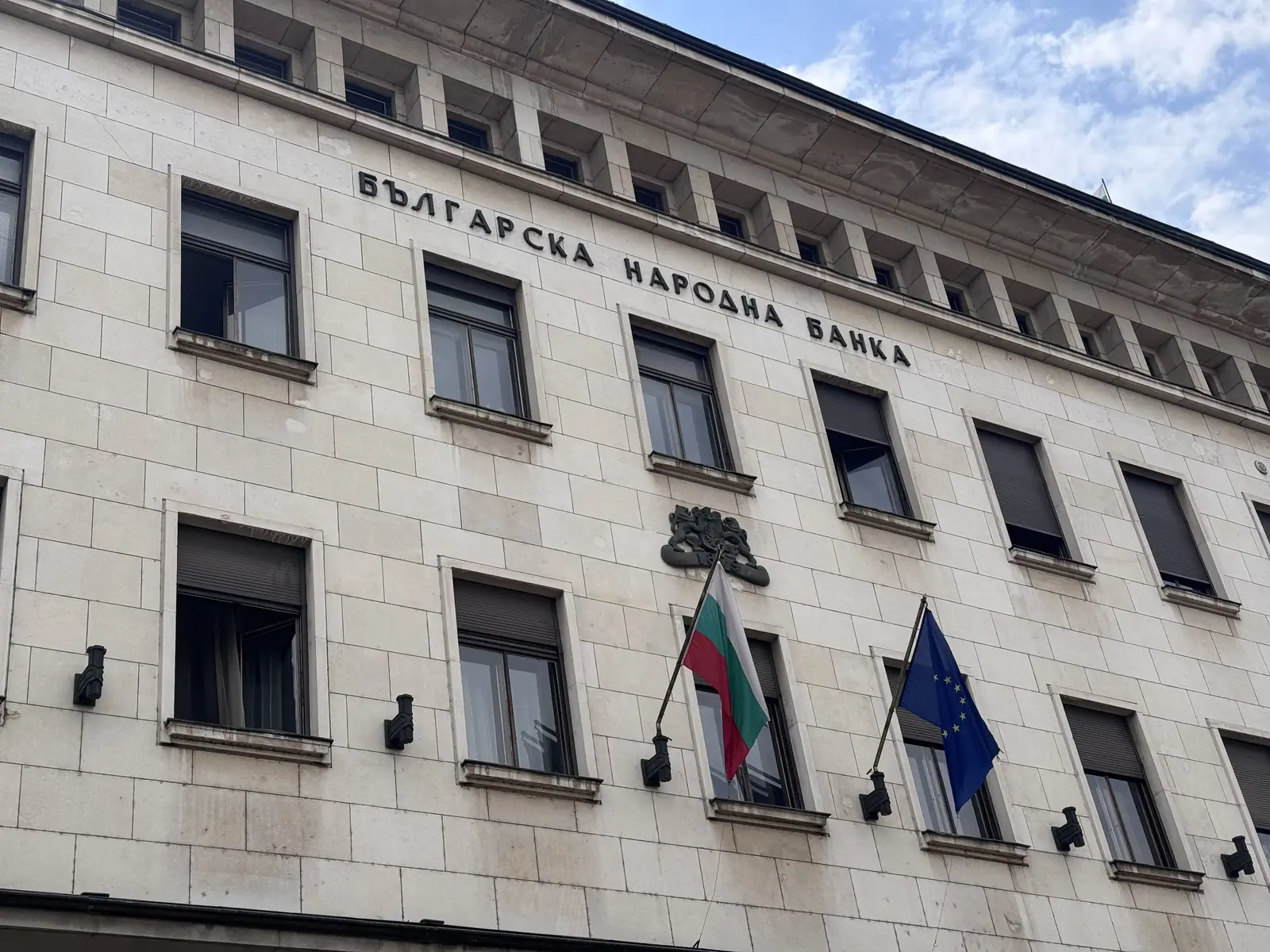
Bulgaria ranks 36th in the world for net financial assets per person in 2025, at 14,790 euros, according to the 17th edition of Allianz's Global Wealth Report. A year earlier the country stood 35th. Net financial assets are savings, insurance and investments minus debts.
Bulgarian households hold 136.5 billion euros in total financial assets, up 10% on the year before. That's slower than the 11.2% growth seen in 2024 and below the Eastern Europe average, also 11.2%, though still ahead of the global figure of 8.6%.
Deposits grew fastest, up 17.3%. Insurance and pensions rose 15.8%, while securities added just 2.4%, down from 5.8% a year earlier. On that measure, Bulgaria is among the slowest-growing countries in the report. Securities make up 35.4% of household portfolios, against 35.9% on average across Eastern Europe.
The report's authors say Bulgaria's weak growth comes from small gains in the value of securities people already held, rather than from new purchases. Bulgarian households sold 0.2 billion euros more in shares than they bought, and Romania is the only country where securities actually lost value.
New savings by Bulgarians also grew 10%, reaching 11.9 billion euros. Of that, 73.9% went into deposits — the highest share in Eastern Europe — 20.8% into insurance and pensions, and just 2.1% into securities.
After inflation, assets grew 6.3% in 2025. Since 2019, cumulative real growth stands at 18.6%, against 24.5% on average in Eastern Europe.
Household debt is growing faster than assets, up 18.1% to 37.2 billion euros — the second-fastest rise in debt after Turkey. As a result, net financial assets grew by a more modest 7.3%, to 99.3 billion euros.
The United States tops the ranking for net financial assets per person, with 296,950 euros, followed by Switzerland with 275,980 and Denmark with 197,510 euros. Seven more countries round out the top 10: Singapore with 192,840 euros, Taiwan with 164,470, and Sweden with 155,980 euros, then Canada with 135,350 euros, New Zealand with 127,550, the Netherlands with 116,600 and Belgium with 114,590 euros.
Germany, the EU's biggest economy, ranks 12th with 91,780 euros. Japan is 14th with 89,420, and the UK 18th with 72,200 euros. The Czech Republic sits in 25th place with 39,130 euros. Greece follows in 28th place with 28,970 euros, Hungary is 29th with 28,050, and Croatia 30th with 22,710. China ranks 33rd with 20,810 euros, and Poland 35th with 19,240 euros.
Behind Bulgaria come Slovakia in 38th place with 11,390 euros, Romania in 41st with 10,710 euros, and Russia in 42nd with 10,410 euros. Turkey follows in 46th place with 4,570 euros, Serbia in 50th with 2,200 euros, and Kazakhstan in 51st with 2,180 euros.
Worldwide, household financial assets grew 8.6% to a record 268.4 trillion euros despite a tough geopolitical and economic backdrop, the report says. New savings fell 5.4% to 4.1 trillion euros, and about four out of every five euros of new wealth came from rising asset prices rather than fresh savings.
Markets were the main driver of growth in 2025, the authors say. Market gains and the rise of artificial intelligence, they add, mean owning assets matters more and more for who benefits from the wealth created in future.





Comments (0)
Все още няма коментари.