
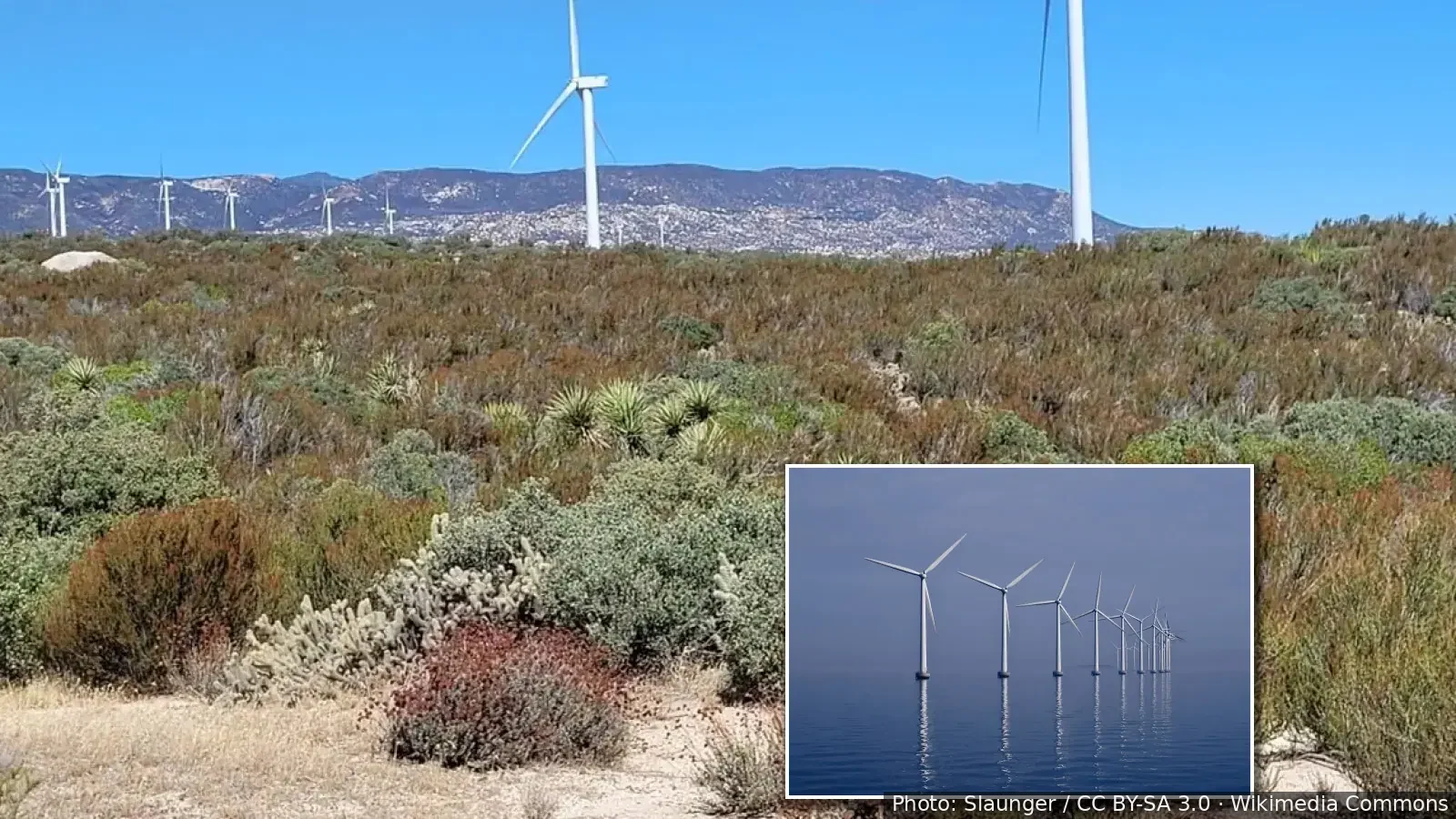
Wind supplies 3% of Bulgaria's electricity, and no new wind farms have been built since 2012. Miglena Stoilova, chair of the Bulgarian Wind Energy Association (BGWEA), said this as she presented a white paper on the sector.
The association wrote the paper. It covers the state of the sector, the progress of investment, and what wind power brings to the economy, energy security, the power grid and the environment. The authors draw on analysis by international energy experts.
The main focus is market modelling, a calculation that compares several scenarios for building wind capacity. It shows that average wholesale power prices could fall by 2030 and 2035. It also points to a change in local supply and in Bulgaria's place in regional power trade.
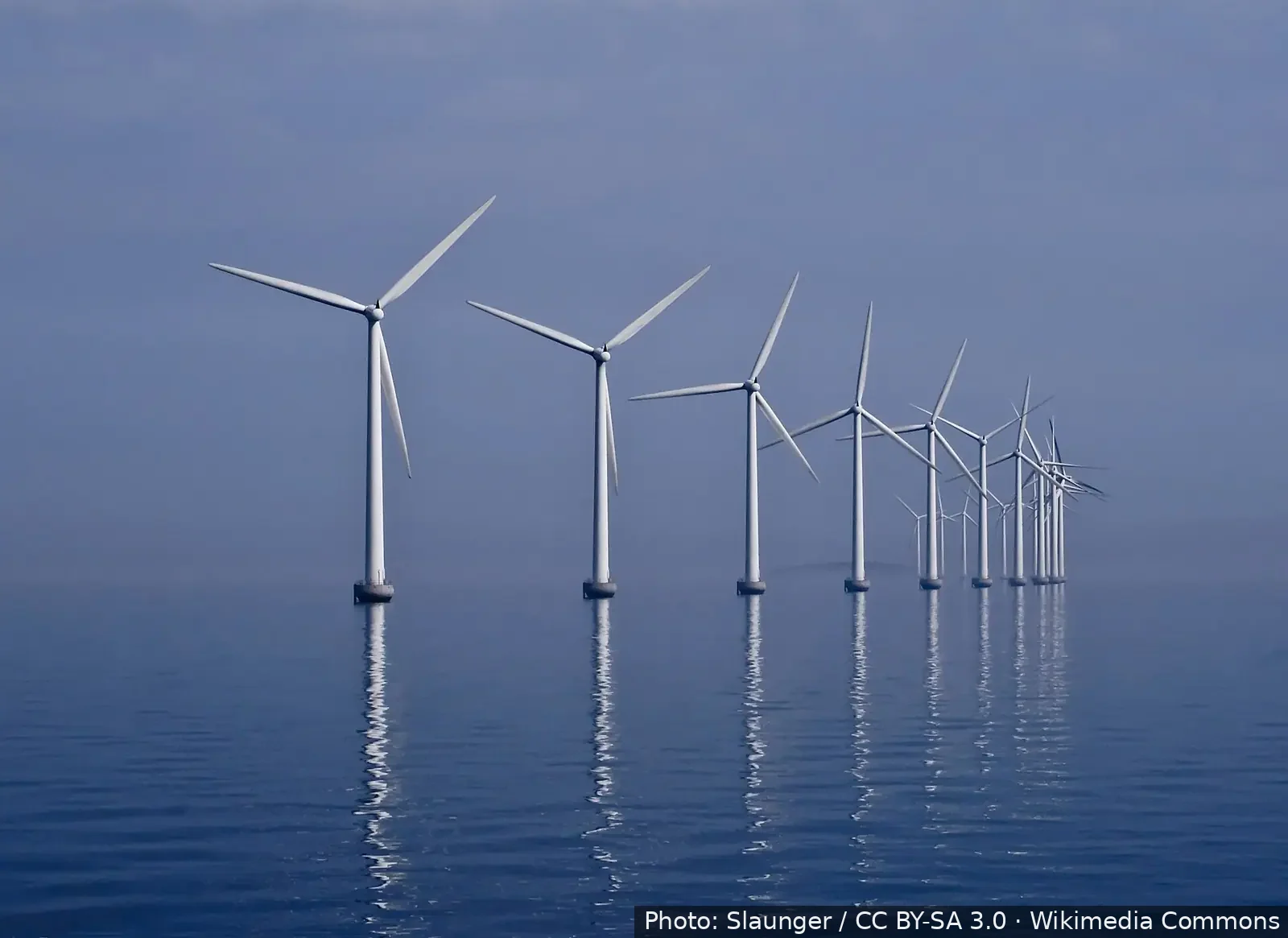
In the BGWEA scenario, based on projects now in development, wind capacity reaches 3.7 gigawatts by 2030 and 7 gigawatts by 2035. If these projects are built, power prices will fall by 12% by 2035. That year Bulgaria could export up to 4.3 terawatt hours.
Bulgaria is among the countries with the lowest share of wind power in its consumption.
BGWEA wants wind to become the base for upgrading the power grid and for energy security. It says the aim is more clean power from a local source, fewer imports, and cheaper, more predictable prices that help Bulgarian firms compete. The association says steady growth in wind power and long-term market tools will give a better balanced energy mix, meaning a better spread between power sources. The economy will be less exposed to price shocks and to a shortage of local capacity. The white paper says Bulgaria's wind resource is proven and investor interest is real, so the projects should be built as soon as possible.
The final part of the paper sets out steps for wind power up to 2030. It also lists the rules and state support the projects need to start operating. "We propose that the energy strategy makes it a priority to take into account how ready the projects really are, so that they can go ahead," Stoilova said.
"A wind project takes about 7 years to develop on average because of delays in the process, and we want the steps in the permit system to be faster," she said.


Comments (0)
No comments yet.