
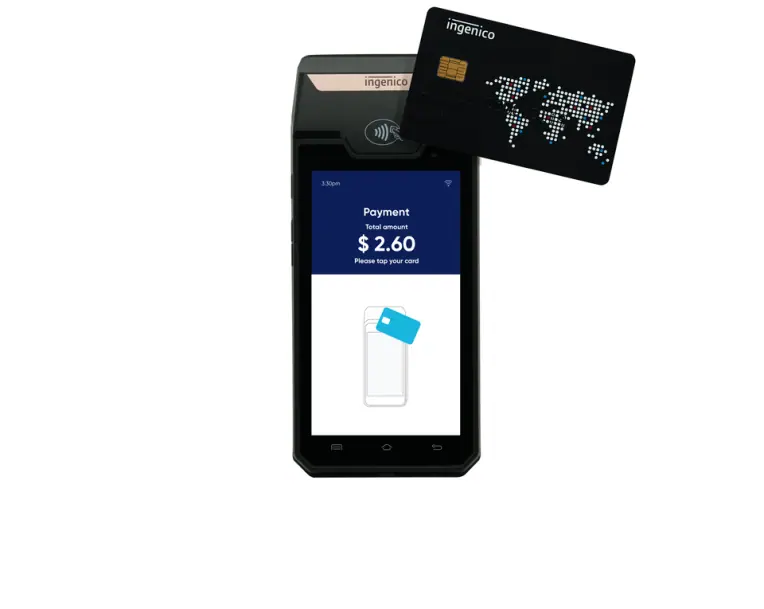
The number of POS terminals in Bulgaria has increased by 30 percent over a period of three and a half years, according to data from "Visa". The company reported this result through its "Bulgaria Without Limits" initiative, launched in December 2022, with calculations covering the period up to June this year.
According to "Visa", the expansion of the digital payments network has been supported by special conditions for merchants – transaction fees of up to 1 percent, the provision of free SIM cards when needed, as well as a 20-percent discount on the purchase of new POS devices. The company indicates that small and medium-sized enterprises have played a significant role in this growth. By December 2025, merchants participating in the program will own 10 percent of all active POS devices in the country.
The initiative is being implemented in collaboration with Bulgarian banks, other financial institutions, as well as public and non-governmental organizations. The goal is to make it easier for businesses to accept digital payments and to strengthen their market positions, Visa explains.
"Expanding the opportunities to accept digital payments means much more than just adding new POS terminals. It means providing businesses of all sizes with the necessary tools to grow, reach more customers, and respond to the way people increasingly prefer to pay. Through "Bulgaria Without Limits", together with our partners, we are working to ensure that secure and convenient digital payments are more accessible across the country and support a more competitive and digitally connected Bulgarian economy," commented Petar Krilchev, Visa Manager for Bulgaria.
A separate study by Payments Europe – an organization uniting card payment solution providers in Europe and worldwide – shows that the payment market in Bulgaria is diverse and competitive, which benefits both merchants and consumers.
Among the surveyed Bulgarian merchants, 82 percent cite a reduced risk of fraud and theft as a benefit of accepting cards, while 80 percent believe that card payments help drive sales growth. Another 66 percent report improved operational efficiency thanks to cards, 61 percent highlight the ability to serve international customers, and 58 percent claim that cards stimulate consumer spending.
The study also reports how businesses weigh the costs against the benefits of card payments. Three-quarters of merchants consider card acceptance fees to be reasonable relative to what they receive in return. 66 percent state that the advantages of card payments outweigh the associated costs, and more than half admit that traditional payment methods can ultimately cost them more than card fees. Furthermore, 82 percent of merchants indicate that a wider choice of payment methods has led to an increase in their turnover.
The data also shows that cards remain a preferred method of payment for 76 percent of merchants in Bulgaria, followed by cash payments, cited by 71 percent. When choosing payment methods, 51 percent of merchants identify security as the most important factor.
The study also records a positive attitude among consumers. 62 percent define cards as a convenient way to pay, and 52 percent consider them the best option when shopping in physical stores. Trust in cards is high – 74 percent of those surveyed cite them as the payment method they rely on most, and 83 percent feel secure using them due to built-in security features.
Seven out of ten consumers state that they feel secure with online payments and believe they would get their money back in the event of potential card fraud. When traveling abroad, 78 percent place greater trust in cards compared to other payment methods. Beyond the moment of payment itself, consumers see additional benefits – 72 percent indicate that cards facilitate returns and filing complaints, while 62 percent value the ability to track their spending more easily. The study also notes a sentiment toward further expansion of digital payments, with 57 percent of those surveyed supporting wider adoption.




Коментари (0)
Все още няма коментари.