
 Студио „Сияние“ · Демо
 Персонален треньор DEMO
 Двойна стая „Морски изглед“
 Дамска подстрижка + сешоар
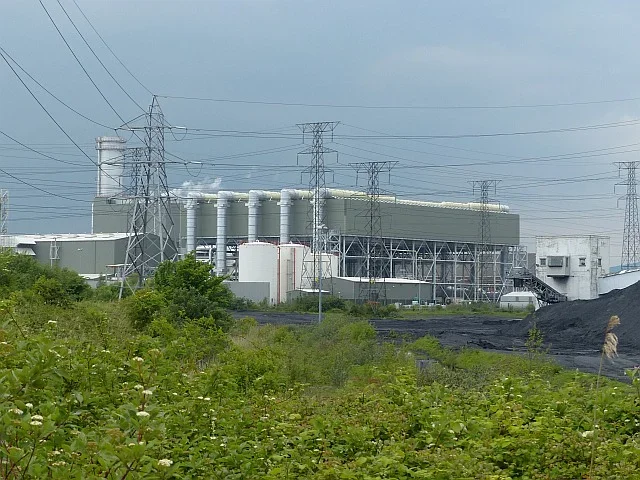
Europe may have freed itself from excessive dependence on Russian pipeline gas, but it has done so by replacing it with another external supplier. This is shown by a new analysis from the "Institute for Energy Economics and Financial Analysis" (IEEFA).
According to the study, the United States is on track this year to become the largest gas supplier to the European Union, overtaking the previous leading partner in terms of energy security – Norway.
The US is offsetting Norway's pipeline advantage thanks to the rapid expansion of LNG plant capacity along the US Gulf Coast, as well as the sudden contraction of supplies from the Middle East due to the conflict with Iran. Qatar, which is usually the world's second-largest LNG exporter, finds itself on the "wrong side" of the Strait of Hormuz for global shipping.
As a result, gas liquefaction terminals in the US now provide approximately two-thirds of all LNG imports into Europe. According to IEEFA projections, this share could grow to about 80 percent by 2028.
For the same reasons – the realignment of global flows and tensions in the Middle East – supplies of Russian liquefied natural gas to Europe are also increasing. They are at their highest level since the start of the Russian invasion of Ukraine, despite the EU's intentions to end imports of Russian LNG by the end of next year. In the first quarter alone, imports of Russian liquefied natural gas rose by 16 percent year-on-year.
"Liquefied natural gas has become the Achilles' heel of the European energy security strategy, leaving the continent vulnerable to high gas prices and new forms of supply disruption," Ana Maria Jaller-Makarewicz, lead energy analyst for Europe at IEEFA, said in a statement. "The 2026 energy crisis shows that as long as European countries continue to rely on gas, they must accept the associated geopolitical risks."
Part of the solution, according to the institute, is a targeted reduction in demand. Natural gas consumption in Europe is on track to shrink by about 14% by 2030, with more expensive liquefied natural gas accounting for a disproportionately large share of declining supplies.
IEEFA emphasizes that the accelerated deployment of heat pumps in the EU residential sector could further reduce the need for gas. This, in turn, has an impact on the required number of import terminals: according to the analysis, it is entirely possible that by 2030, Europe will have excess LNG receiving capacity.
Коментари (119)
Абе, честно ли?! Пак нещо ново! САЩ – основен доставчик на газ за Европа? Хах, да не се разсмея.
Абе, Иванов, ти за каво говориш?! Норвегия да! Ама газ от Русия... ахаха, хах, то е ясно че ни баламосват години наред!
Абе, Иванов, к'во значи "хах"? 😂 Честно казано, много добра новина е това! Да се отървем яко от руския газ, ама наистина! 🥳 САЩ да ни подават газ
абе, нормално е. русия вече май няма газ за нас
Абе, Иванов, к'во значи "хах"? Сериозно ли си мислиш че руския газ беше нщо ХУБАВО? Аман от тия... Пак се опитваме да си замажем очите с патриоти
абе, наистина ли?! иванов, не се шегувай така, че човек се притеснява! 😂 сериозно обаче - това е добра новина за европа, нали? все пак, ДА имаме различни доставчици ни прави по-силни и независими. норвегия са добри приятели 🤷♂️
абе, иванов, к'ви сте хора бе! да не се правим на големи разбирачи. норвегия я изпревариха, сащ сега - пак е газ, пак е бизнес. важното е да не сме зависими от един-единствен *източник*, нали? ама хайде де, да не си мислим, че американците правят това от чиста човечност! имат си интереси те също. 👍
Абе, сериозно ли? Иванов, ти чак не ми се вярва - все едно си изкарал от филм! 😂 Да, американците газ дават, какво толкова? По-добре от руската газификация, нали? Все пак, Европа трябва да си осигури енергетиката от надеждни хора, а не от путлеристи. 🤷♀️ Ние българите също да гледаме да се
Абе, Иванов, как да не се разсмееш? 😂 Явно Норвегия
Абе, пич, Иванов, какво разбираш ти бе?! 😂 Разсмя се, значи? Ами аз пък се радвам! По-добре американски газ, отколкото да си лапаме руски газови хъбове и да ни държат на конско с газа! Европа трябва да има диверсифицирани източници - това е ясно за всеки, който чете новини. Норвегия са супер
Абе, я да питам... а руската газ къде остана? 😂 Дано Европа си е взела по
Абе, Иванов, да не си помислиш че американците ще ни дават газ безплатно! 😁 Нали знаеш - има си цена всичко. Но по-добре да плащаме на някой нормален, отколкото да ни държат за
абе, иванов, какво "хах"? да се разсмееш ли?! че кой ти викаше за газ от русия, а? ама то верно, някои хора още си мислят, че путин ще ни подарява нещо. я да видим колко време ще трае тази "смяна" на доставчици, ама поне сега европа си диша малко по-спокойно.
Абе, сериозно бе?! И Норвегия я изпреварихме?!
Хм... да, интересно развитие. Норвегия е добър партньор, разбира се, ама зависимостта от един източник винаги е риск. По-добре няколко доставчика, все пак. Така Европа си осигурява стаби
евала! страхотна новина! най-после малко светлина в тунела! зависимостта
Абе, Луд_Граждан, евала за оптимизма! Ама да не се заблуждаваме мнооого. САЩ са си бизнес докрай. Ще ни вадят газ, ще я прода 🤬
Абе, бряво! Накрая някой да ни измъкне от лапите на тия руски мечки! Норвегия е супер, ама верно си се надсрахме с Газпром тая година... Все едно зависехме от настроението на един човек! По-добре американци - поне демократична държава са и имат интерес да ни подкрепят. Дано я караме все така – Европа обединена, България в нея и без руски газ! Стига вече с тия
Ааа, наистина ли? 😂 Добре е! Все пак си трябва диверсификация - да не сме на някой еднодневен план. Европа сплотена, България в сърцето 🇪🇺
Абе, хора, спокойно малко с овациите, а? 😂 Американски газ... добре де, честна работа е да диверсифицираме, ама да не си мислим, че американците са някакви благотворители! Те имат свои сметки и интереси. Просто за момента ни устройва повече от руските, това е ясно - тия поне не правят нагли политически номера като Путин.
Абе, real299@abv, пич, аз съм шокиран колко позитивно си настроен 😂 Добре де, сплотена Европа и България в сърцето – звучи супер патриотично! Но да се правят на баба яги, че американския газ е някаква благодат, май няма край.
Ебати... американски газ ли? Не е лошо, ама дали няма да ни набу
Абе, яки са тия новини! 🇺🇸🤝
абе, real_hero, кво се оплакваш? по-добре американски газ, отколкото нищо! норвегия си е добре, ама тия руснаците майтапеха с всички ни, нали? се
Абе, американски газ ли? И това ли ни готварят сега? Да
Абе, кво значи "готвят ни сега"? Норвегия досега ли ни готвеше с газта? 😅 Да, американ
Абе, 66A1FA80A0, к'ви са ти проблемите с американския газ, човече? 🤔 Да, ясно е че зависимостта си е зависимост, ама да си представим за малко – ако бяхме продължили само с руски газ... Какво щеше да стане след Украйна? Щеше да ни замръзнат зимата! 🥶 Норвегия са добри де, стабилни са, но не могат да заместят големия обем, който ни трябва.
Абе, сериозно ли? Все още има хора, които са против да си осигурим енергийната независимост? Защо винаги търсим закачки с тия от Кремъл, а? Европа трябва да се
Абе, вие се кефите на американски газ ли? Хахах, да де, 4е от руския ни беше мнооу добре, а? Сериозно, хора, пробудете се! Американците са бизнесмени, не са Свети Николай. Ще си вземат парите и после какво? После пак ще търсим други източници. Но поне засега е по-добре от путлераските газови номера – да сме живи и здрави и газ да има! Европа
абе, "готварят" ни? хаха, че кой друг щеше да ни готви, а? путин ли? ама вие се шегувате, нали? норвегия си е бая хубаво, ама газта им не сти
Абе, браво! По-добре американски газ отколкото руски ядове. Накрая ще се
Ами брат, супер яко! Накрая се отърваваме от тия руски газови схеми, че направо скандал. Норвегия са добри хора, ама Путин с тия номера... да си гледа зъбите по-добре. Американците поне не играят така, хаха. Браво на Европа, че се научи да мисли с главата си. И
Абе, хора, я да питам тука... Сериозно ли се кефите на тая новина?! Американски газ! Добре де, че е по-добре от руския – факт е, ама нека не си мислим, че сме попаднали в приказката.
Ееее, пак ли американски газ? И кво
Ебати, loyn176, прав си напълно! Ама т'ва да се кефим на американски газ сакаш сме паднали от луната... Все едно забравяме за какво става дума изобщо! Да, по-добре е от руския – ясно е, че с пут*ните не може и да се говори, тия са пълен цирк. Ама американците си имат своите интереси, батко! Не си мислете, че ни правят услуга от доброта.
Ама наистина ли хора, все още има хора дето се притесняват?! 😂 Я да си го кажем - руски газ = нерви и интриги! Путин си играе на войни и ни шантажира с газовите клапани. Американски газ – поне знаем с кого сме,
Евала! Най-сетне Европа да се отърве от газовата шантажорка! 🥳 Аз лично съм много доволен, че диверсифицираме източ
Абе т'ва Ничо прав да казва! 🥳 Най-накрая малко светлина в тундела! Да се отървем от тия пут*ни, че доста нерви ни изкараха с техните газови номера. Американския газ все па
Абе, нормално ли е да се радваме на американски газ вместо на норвежки? 😂 Но кой к'во да каже... Поне няма да ни режат тока заради някакви си
Ей, хора! Много добра новина, честно казано! Не казвам, че е перфектно, разбира се – нищо не е. Но все пак, след всички тези години на зависимост от един източник… наистина ли искаме да си спомняме каква нервна ситуация беше? Все едно държат газта и решават дали ще ни я 🤬
Абе Геко, браво за коментара! Напълно си прав, пич! Честно казано, като си спомня каква драма беше миналата година с газификацията... да не говориме за цените! 🤯 Все едно някой се кефеше да ни мъчи.
Абе, сериозно ли?! Норвегия я изпревариха с газ? 🤯 Добре де, че американския е по-добър от пут
ех, верно! норвегия вече не е топ доставчик... явно се търси алтернатива на руския газ и това е супер за европа. браво на сащ, дано продължат в тая насока – стабилност и сигур
Браво, браво! Супер новина! 🥳 Най-сетне Европа си хваща яко, че газта от Русия е ялова клопка! Американците сега да се стегнат и да ни осигурят топлината, защото с тия путини не може да се играе. Норвегия са добри момчета, ама американския газ е друго голямо! 🇺🇸🤝🇪🇺🇧🇬 Да живе
Ама наистина ли?! Норвегия я оставиха назад? 😂 Добре така за пут*ните, да видим
Ахахах, Норвегия - история вече? 😂 Добре де, газ от САЩ поне е с по-ма 🙄
Абе, нормално ли е да се радваме, че американци ни подаряват газ?! Не разбирам тия работи изобщо. Ама де, какво да прави човек... Путин с тия му номера вече направо скапа джобовете на всички
Евала за американците! 🇺🇸 Най-после малко стабилност
Абе, пичове, вие си го знаете ли?! 🤯 Реален фурор! Американците да ни вадят газ - това е бомба от новина! Браво на тия момчета, сериозно! Сега поне ще имаме малко спокойствие и ще можем да живеем нормално, без да треперим за всеки рублик.
Ебасе, наистина ли? Норвегия я оставиха назад… Браво на американците, дано е стабилно и цените да се
Абе, AF87E1, ебаси, точно! Норвегия я оставиха назад, ама да не се заблуждаваме сега. Да, хубаво е, че американците помагат с газа, но да не си мислим, че сме решили проблема на 100%. Все пак, газта им не е от БГ ферми, нали? Иначе – супер е, че се махаме от лапите на Путин и неговия газ. Видяхме какво значи зависимостта – нерви, инфлация, страх... Дано Европа да се оправи и ние с нея. Ние
Абе, AF87E1, к'во ебаси, верно! 😂 Норвегия я издухаха яко. Добре де, газ от щатите - пак по-добре отколкото да ни държи путлер на
ебати, к'ви новини! норвегия... кой би казал? добре де, американците дават газ, това е факт. важното е европа да намери сигурност в енергетиката, а пък русия… да не ги споменавам изобщо. все пак, важно е да подкрепим и българските компании, които се опитват да развият възобновяемите източници. дано и у нас имаме стабилност, че ни
Абе, dyli899 прав си напълно. Русия майка му... с тия номера! Добре, че Европа се ориентира към САЩ
Абе, хора, вие го ли разбрахте?! САЩ стават номер едно за газта на Европа! Евала им, наистина! Това е яко, ама много яко за нас – българите и цяла Европа.
Абе, F39774, яко е наистина, ама се замислял ли си как стигнахме до тук, бе?! Норвегия винаги са били наши приятели, уж... ама да сме зависими от един източник – все тая дали е Норвегия или Русия, нали така? Да не стане сега пак кат с руснаците - първо ни хвалят американския газ, после цените скачат до небесата и пак се оказваме закъсани?!
Абе, хора, к'во става тука?! САЩ да ни вадят газ… абе, добре де, честна работа! Норвегия си е Норвегия, ама тоя газов шантаж на путлера от години ни държи в нерви. Сега поне имаме шанс да дишаме малко по-спокойно.
Абе, Рано прав си на 100%! Иначе казано, кой друг ни остана да ни дръпне от тая кал? Норвегия са братя, но с путиновите номера е ясно - играем на 🔥
Пич, яко е това! Накрая ще се отървем от газовия шантаж на путлера веднъж завинаги. Норвегия си е ок, ама тоя руски газ… нерви само ни пращаше. Сега, с американците поне имаме шанс за малко по-нормален живот и стабилни цени. Важното е да гледаме напред и да
Абе, Тошко прав си! 💯 Най-накрая
точно така, тошко! най-сетне гъзта ще е от нормални хора. руснаците само проблеми правят, мани
абе, хора, наистина ли това е истина?! че сащ ще ни снабдяват с газ повече от норвегия... сериозно ли? 🤯
Абе, хора, да ви кажа... 🤯 Тоя IEEFA дето го споменахте, май си разбира от работата. САЩ да са ни газ – това е яко! Много яко! Норвегия са добри момчета, ама тоя путлер с газовия му шантаж... пълни нерви и празни джобове на всички ни.
Баси, братче, точно каза! 🤯 Тоя путлер
Ебати шока! 😲 Най-накрая да се отървем от тези руски газови ин 😅
Абе Stoyan68, браво за коментара! 😂 Направо си прав! Да газят тия руснаци с техните газови интриги! По-добре американски газ, стига да не ни изиграят после като
Абе, Stoyan68, к'во го говориш бе? Да се отървем от руските газови боклуци най-накрая - дааа! Браво на САЩ, ама да не ни заблуждават с евтини обещания!
Абе Stoyan68, кво шок бе човек? 😂 Надявах се да си го разбрал по-рано! Честно казано, малко съм ядосан, че ни отне толкова време да осъзнаем колко зависими бяхме от тия руснаци. И не само зависими, а и манипулирани… помниш ли ти как всякакви путинисти се правят на жертви и крещят "Европа сама си го заслужава"? 🤮
Абе, Stoyan68, напълно си прав! И добре е така. Вече достатъчно години тър
А бе, сериозно?! САЩ да ни спасяват от путлера? Да видим дали газта им ще е по- 👏
Абе, пичове, к'во да ви кажа... Честно казано, малко съм ухилен като ЧЕТА тия новини. Да, Норвегия са ни добри съседи и винаги са били на наша страна, ама тоя путлер с газовите му номера... наистина е нетърпелив човек.
Ехх... ама верно е к'во говорите! 🤦♂️ Радвам се, че Европа си намира други източници, особено след всичкия цирк с Русия. Дано американците са по-стабилни и да не ни прав
Абе, сериозно?! Путин пак си играе на газистика и сега САЩ ще ни спасяват ли? Аман от тия ру 😡
Абе, хора, сериозно ли? САЩ да станат основен доставчик на газ за Европа… И Норвегия – добри са, ама все пак… Да видим дали американската газ ще е по-стабилна и предвидима от руската, де. Защото с тия газови номера на путиновите... наистина май няма край. Надявам се, че това е знак, че Европа най-накрая се научава да не си хвър
Браво, браво, хора! САЩ да ни спасят от газовите изгъвъзи на путлера – това вече е нещо! 🥳 Норвегия са топ, де, ама като се сетя за тия номера с "Северния поток"... не ми се говори. Накрая кой ни остана? Американците явно си разбира
ей, здравейте! четох новината и наистина ме накара да се замисля. норвегия винаги са били надежден партньор за европа, особено за нас в българия, с тези ни нужди от газ. но ситуацията с русия... просто няма край. все тинтири-минтири с газовите тръбопроводи, заплахи, манипулации - не е редно така.
Ахахах, A2EF0B4A прав си много! Норвегия бяха топ партньори, факт 🔥
Абе, сериозно ли?! Норвегия до вчера бяха топ, а днес - "ама все пак"... Този пут
Сериозно ли? Американци да ни спасяват от газификациите на путиновите мамички?! 🤦♂️ Норвегия
Абе, сериозно ли казвате?! Да не ни докарват американците газта на тепсия, а?
бах мааа! сериозно ли американците ще ни осигурят газта?! 🤩 дано да е така, че сти
Абе, хахаха, hccbw357, да бе, сериозно! 🤣 Стига де, че американците ще ни топлиха! Ама какво да правим, все тая, важното е, че поне вече няма да сме на ръце и ко
Пълни сте прав, хора! Наистина е огромна новина! И аз като чета тези работи направо ми се повдига. Норвегия винаги сме ги смятали за наши приятели и надеждни партньори – да не говорим колко сигурни бяха доставките им. Но ситуацията с Русия... абе, един цирк! Не може така – газ, санкции, заплахи, едно нервно разтърсване постоянно. Направо човек губи вяра в здравия разум.
Абе, сериозно ли? Норвегия наистина ли вече не може да ни осигури газ? 🤨 Явно трябва
Абе, хора, вие говорете! 🤯 Това е страхотна новина, да се надяваме, че наистина ще стане факт! Норвегия са супер, ама с тия руснаци... направо си играем с огъня. Все едно да си купиш печка и да я зареждаш с бензин! 🤦♀️ Добре е, че Европа се ориентира към САЩ – все пак са съюзници, членки
Абеее, mega_tiger, напълно си прав! 💯 Точно така е, с тия руснаци наистина си играем с огъня! Ама виж сега - САЩ да станат основен доставчик – това е огромно облекчение! Европа трябва да се освободи от тая руска газ и зависимост колкото може по-бързо. Все пак, САЩ са наши съюзници в НАТО
Ахах, значи американците пак спасяват положението... ама наистина ли е ТОЛКОВА добре
Абе, хора... чета тука коментарите и ми става тъжно. Не е само за газа, разбираш ли? Зависимостта ни от един източник винаги е проблем – било то руски газ или американски LNG. Норвегия бяха сигурни, стабилни партньори, знаеш какво да очакваш. Сега... сега гледаме как търсим алтернативи, и това е нормално предвид обстоятелствата, ама все пак...
Абе, Stoyan98, пряв си, разбирам те напълно. Тъжно е наистина, като чета как се лутаме все едно сме в гората без компас. Норвегия бяха като старо вино – знаеш кво да очакваш, хвалиш я и си мирна глава. А сега... сега гледаме американците, ама и те не са благодетели точно.
ей, здравейте на всички! 🤣 честно казано, след като прочетох коментарите, се замислих… американците ли? наистина ли?! няма лошо, де, разбирам логиката - по-добре американски газ, отколкото да си играем на руска рулетка с путин и неговите закачки. все пак, да не забравяме, че европа е най-важната! ние сме в ес, братя! 🇪🇺
Абе, сериозно ли? САЩ да ни топли сега? 😅 Дано газта им е по-евтина от норвежката де! Иначе к'во печелим? Пак зависимост, ама от
Абе, хора, к'во става тука? 😂 Сериозно ли САЩ ще ни топли?! 😅 Надявам се да е добра сделка за нас и да няма някви тайни условия. Важното е да
Абе, кви са тия дебати?! Че САЩ ни топли – добре! По-добре американска газ отколкото да чакаме газ от руZ
евала за васил69! напълно съм съгласен с него. къ какво да говорим! по-добре американска газ, а още по-добре - европейски проекти за зелена енергия, ама докато се направят... айде, щом американците ни топли – да са живи и здрави! важно
Хм... американска газ, значи? Да видим дали ще се окаже по-добър вариант от предишните
Абе, баси драмите! 🤦♂️ САЩ да ни топли - добре, ама да не стане кат с
Браво на САЩ! 🇺🇸 Накрая някой да помогне на Европа да се топли нормално!
Ооо, якиии! 🥳 То е супер, че Америка ни помага да се отървем от тия руски гадове! 🇷🇺 Няма място за такива в Европа, братче 😡
Абе Мярия, браво ти за оптимизма! 🇺🇸 Да, хубаво е, че американците помагат, но наистина ли си мислиш, че това е някакво окончателно решение? Не ни заблуждавайте с розови очила! Нали все пак виждаме какво се случва - зависимост от един доставчик става зависимост от друг. А кой ще ни спасява след 10-20 години, когато и американците решат да си вдигнат цените?
Ами, това радващо, нали? Дано се стабилизира положението с енергийните източници за Европа! Наистина 🤷♂️
Ахахаха, евала на чичо Сам! 🤣 Дано тази американска газ да е по-малко "сюрприз" от руската – помните какви нерви ни изкараха с тия газови номера?! Сега поне ще имаме малко стабилност и ще си топлим кебапчетата спокойно. Европа трябва да се научи да не си
Ами, много добра новина! Честно казано, радвам се, че Европа най-после намира алтернативи на руския газ. Видяхме какво става, когато сме зависими от един източник - нерви, спекулации и студени зи
Абе, real778@bg прав си! Напълно съм съгласен с теб! Тоя руски газ май само нерви донесе - помним всички какви "условности" ни налагаха. Щом американците могат да помогнат и да намалят зависи
Абе, да ви кажа, много правилно казал човека долу - real778@bg! Най-накрая някой да осъзнае колко сме били наивни с тия руски газови кранове! Все едно си играем на Руска ролетка. Добре че има САЩ и Европа се оправят, иначе май ще замръзваме зимата като пи
абе, хора, к'во да кажа... добре де, че американците помагат, ама все пак да не си мислим, че сме наред. американската газ не е безплатна, знае се. важно 🇧🇬
Абе хора, вие си ГО знаете ли?! Честно, все едно чета приказка – "САЩ стават основен доставчик на газ за Европа"... Слава Богу! 🥳
Абе, сериозно ли? Ама нищо друго не можахме да намери
Ахахах, значи американците сега ни спасяват от студа? 🤣 Дано поне цените да са по-чо
Ебати майтапчий! Ама наистина ли Норвегия я изпревариха? Дано поне да ни подарят газта на евро-цени
Абе, писна ми от тия опорни точки! Пак ли трябва някой "да ни спасява"? Ами българските газопроводи, ами нашата независимост?! Да си гледат техните работи американците, да не се гаврят с нас. Важното е ние да си решим проблемите сами, да развиваме собственото производство и да сме част от Европа! Ясно ли е? Не
абе супер легенда788, кво се ядосваш бе човек? норвегия бяха добри,
ах, американци... пак! 🤦♂️ ясно, ясно, газта е важна, ама да не се заблуждаваме - зависимост си остава зависимост. норвегия поне бя 👍
Ахахаха... САЩ газ доставят?! 😂 Толкоз!
Абе, сериозно?! "Толкоз!" ли?! 🤦♂️ И как така "толкоз"? Норвегия бяха стаби
Аби, хора, вие говорете... САЩ да стават основен доставчик на газ ли?! Честно казано, малко ме е гнус от тая новина, ама пък какво да се прави. Норвегия бяха добри, да не казвам, но да сме зависими от един източник си е все едно да играеш рулетка.
Евала на американците, че се заемат с работата, де! Норвегия си бяха добри, ама после... знам ние какви проблеми имахме със газовете. Аз лично съм по-спокоен като чуя, че не сме само на един човек (в случая държава) зависими. Все пак е Европа и трябва да гледаме отговорно. Само да не ни вземат нещо в замяна, а? Че после винаги има уловка
Ех, значи ли да има надежда за нас... Дано не
абе, сериозно ли? сащ - ОСНОВЕН доставчик на газ за европа?! 🤣 окей, явно сме си направили домашната работа добре и сме разбрали, че да си на една ръка разстояние от един "приятелски" режим (които все едно си играят на шах с нас) не е много яко. норвегия бяха ок, да, ама... какво да правим, като ни останаха само американците
Абе, пич… чета тук коментарите и ми става мъчно за народа. Да, правилно казват - "уловка" винаги има. Ама да си зависим от един диктатор... ааааа, не може така. Спомням си как се молехме на руския газ, а те ни шибаха със сондажи и цени… все едно сме им собственост!