
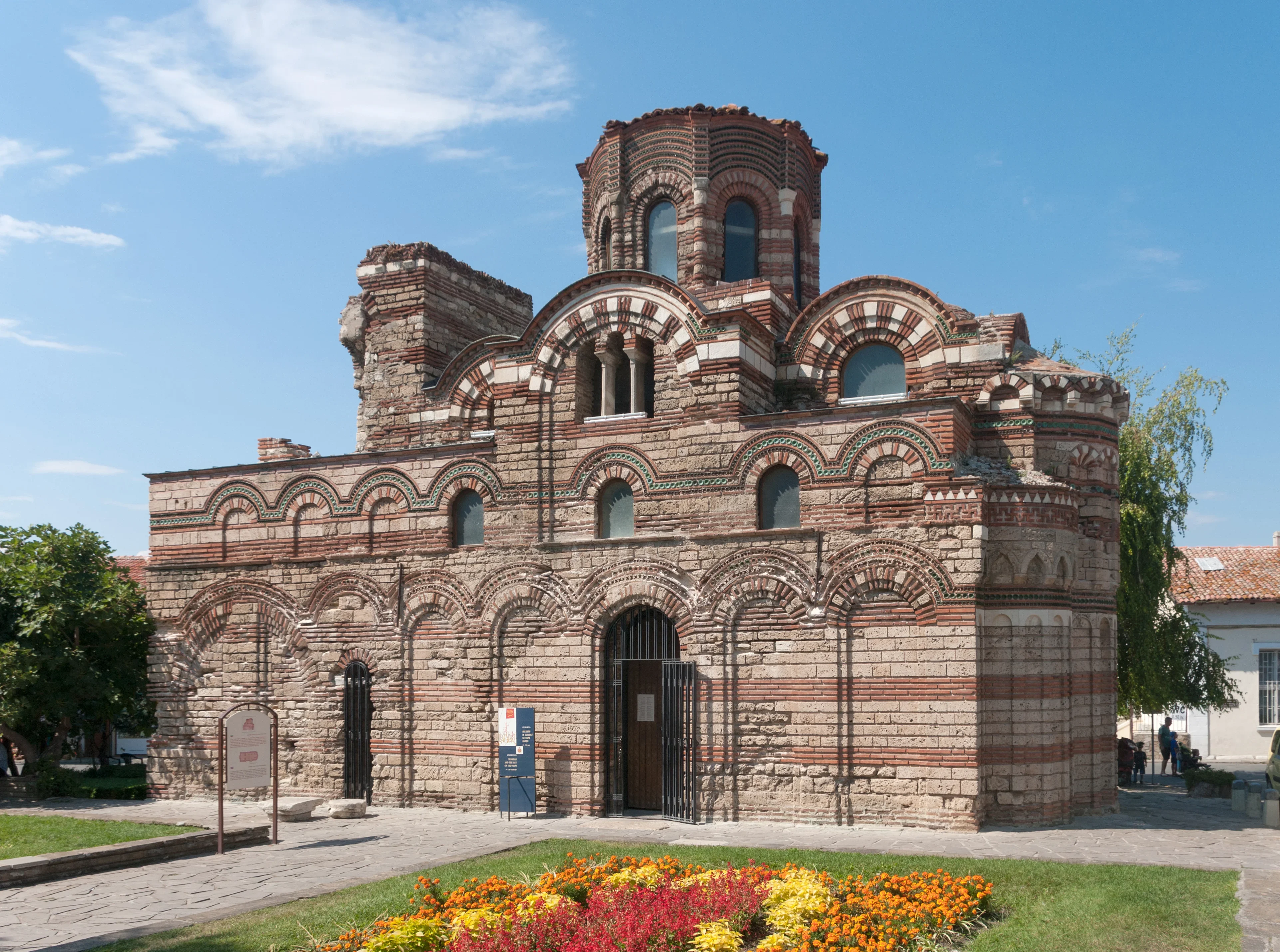
In Bulgaria, Orthodox Christianity remains officially the "traditional" religion with which the majority of the population identifies, including in large cities. According to recent censuses and studies, over 60% of Bulgarians identify as Christians, mainly Orthodox, although a relatively small proportion of them attend church regularly. In the urban environment, this manifests itself in a special way: Orthodoxy is present more as a cultural framework, ritual language and festive calendar than as strictly observed dogmatics.
Orthodoxy as a cultural and urban identity
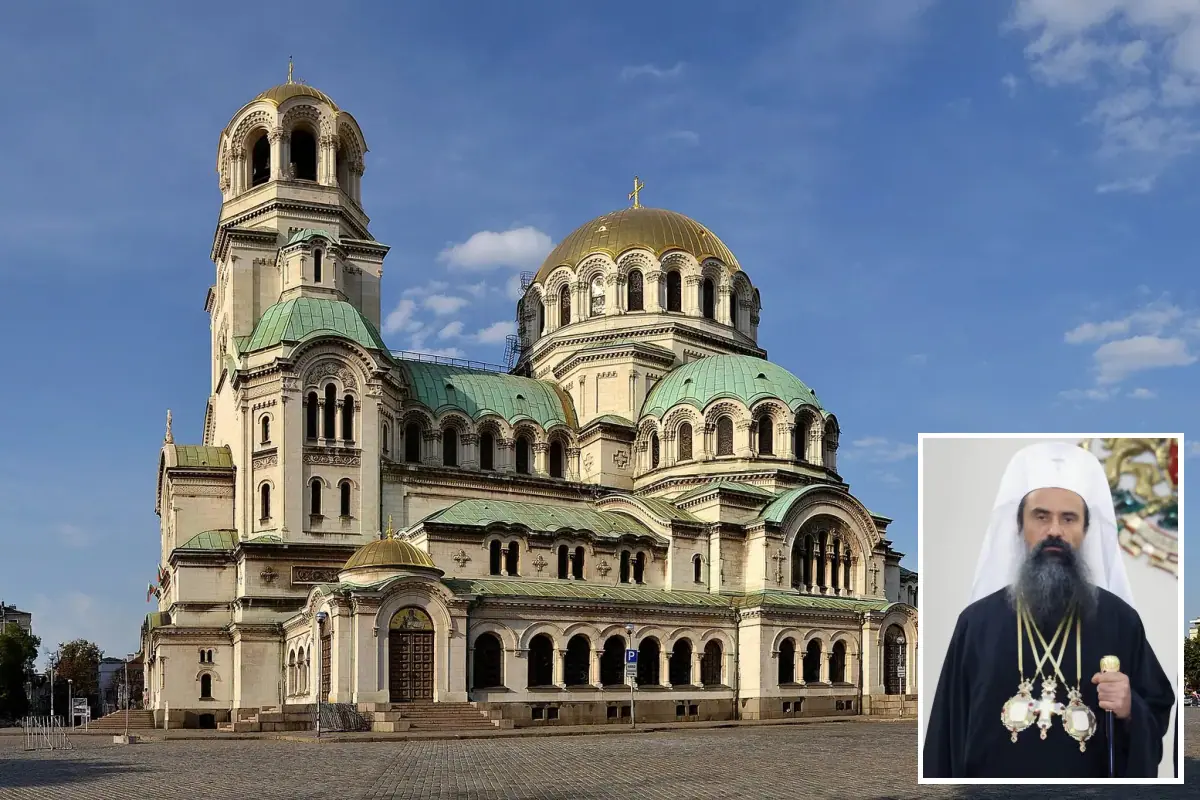
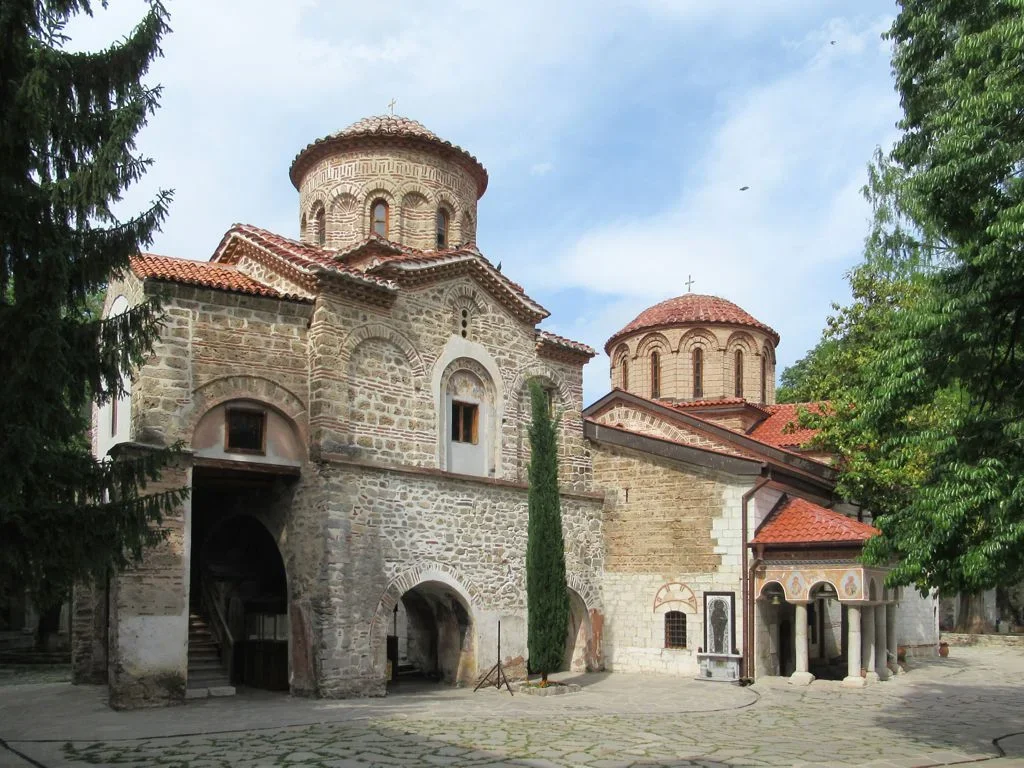
In Sofia, Plovdiv, Varna, Burgas and the other big cities, Orthodox churches are both religious centers and important urban symbols. "Alexander Nevsky" in Sofia, "St. Nedelya", the old churches in the Old Town of Plovdiv or the cathedral in Varna are part of the visual image of the city - a background for protests, tourist photos, cultural events. Even people who rarely light a candle perceive these places as a "anchor" of historical memory and Bulgarian identity.
In the urban environment, Orthodoxy is often experienced as "background Christianity": many are baptized, married and buried according to the Orthodox rite, without identifying as actively church. Thus, the church remains a place where the important moments of life - birth, marriage, death - receive recognition and symbolic meaning, which is lacking in purely administrative procedures.
Rites and rituals: between tradition and urban lifestyle
Baptism, wedding and memorial service are the three most visible rites that continue to be practiced massively in an urban environment. Young families often choose "instagrammable" churches and beautiful icons, and baptisms and weddings become events where tradition and modern lifestyle intertwine - the priest reads the prayers, and outside the guests take photos with phones and drones.
Separate from the "big" rites, smaller, but sustainable rituals are also established in urban culture: lighting a candle before an exam, surgery or an important interview; visiting a church on a big holiday "for health"; leaving a note with a name in a prayer box. For many, these gestures are more a sign of seeking support and hope than an expression of systematic religiosity.
An interesting urban phenomenon is also the "mix" between folklore and Orthodoxy - for example, the consecration of offices and shops for a "good start", the blessing for a new home, water blessings in schools and universities. These practices are often perceived as a kind of "insurance" - a mixture of faith, tradition and superstition, inscribed in the rhythm of the modern city.
The festive calendar: from Easter and Christmas to December 8
Orthodox holidays continue to structure the year, even for people who rarely set foot in a church. Christmas, Easter, Palm Sunday, Epiphany, St. Nicholas Day, St. George's Day, the Day of the Christian Family - all of them are both religious and public events. In an urban environment, the churches fill up "in waves" - queues for Easter candles, consecration of kozunak and eggs, search for "special" icons for a name day.
One of the characteristic features of urban Bulgaria is the strong presence of name days - St. Nicholas Day, Ivan's Day, St. George's Day, Dimitrovden, Petrovden and dozens of others. They become a social ritual that unites families, colleagues and friends: "I am not religious, but I celebrate my name day" is a common phrase. Thus, the church calendar enters offices, universities and apartment blocks in the form of a festive table.
At the same time, the "secular" holiday calendar - New Year, March 8, December 8, June 1 - coexists and sometimes replaces religious dates. Many urban residents perceive Christmas more as a family and consumer holiday than as "Christmas". Nevertheless, for many people, visiting a church, confession or communion remains an important part of this period.
The young and Orthodoxy: distance, curiosity and selective faith
Among young urban people, Orthodoxy is often present in the form of "cultural affiliation": "I am Orthodox by birth", "I am baptized", "we have an icon from my grandmother". For some of them, the church is perceived as a conservative institution, far from their daily topics - career, personal freedom, digital culture. This creates distance, but not complete rejection.
At the same time, there is an interest in the "deeper" dimension of tradition - icon painting, Byzantine singing, participation in youth Orthodox camps or volunteering in parish initiatives. For a small but active group of young adults, the urban church becomes a place for community, meaning and stability, different from the noisy and dynamic urban environment.
Very often, however, young urban people practice "selective faith": they accept some of the spiritual messages - for mercy, forgiveness, mutual aid - but remain critical of the positions of the church institution on topics such as policies, rights, personal life. Thus, tension arises between "faith in God" and "attitude towards the church" as an organization.
Social role: charity, communities and public voice
Orthodox churches in cities are gradually developing their social function - soup kitchens for the poor, collecting clothes and food, supporting large families, visiting the sick and lonely. Although unevenly, active communities are formed in some parishes around the priest and volunteers, who combine faith with specific care for the vulnerable.
At the same time, the Bulgarian Orthodox Church is also present in the public debate - from reactions on social and moral issues to positions on legislative changes. In an urban environment, these appearances often provoke polar reactions: for some, the church is the "voice of tradition and morality", for others - a conservative force that opposes modernization. This conflict further complicates the relationship between urban societies and the institution.
It is important to note that trust in the church and personal religiosity do not fully coincide. Some citizens say "I believe in God, but I don't believe in institutions", others - the opposite. Thus, the role of Orthodoxy extends beyond the walls of the church - in the language, symbols and moral intuitions of the people.
Orthodoxy in the digital age
Digitalization does not bypass Orthodoxy. Urban churches and priests are increasingly present online - through pages on "Facebook", YouTube channels with sermons, online broadcasts of liturgies and podcasts with spiritual conversations. During the pandemic, this turned from exoticism into a necessity, and then into a sustainable channel for contact with people who rarely can or want to come physically to the church.
For some urban believers, the digital presence of the church is a way to "test" faith from a distance - to listen to sermons, to ask questions, to seek meaning, before crossing the threshold of the church. At the same time, this raises new questions about the authenticity of the experience: can the "online liturgy" replace physical presence, and how to combine the ritual and the sacred with the logic of social networks.
Between tradition and modernity: where urban Orthodoxy is going
The role of Orthodoxy in contemporary urban Bulgaria is filled with tensions and paradoxes. On the one hand, churches and holidays remain part of the general culture and the urban landscape - from Easter candles to name days in the office. On the other hand, people actually engaged in church life are rather a minority, and a large part of the urban residents experience faith "in pieces", through rituals and symbols, rather than through daily practice.
In this context, the future of Orthodoxy in the city depends on its ability to answer real existential questions - about meaning, community, suffering, hope - without refusing dialogue with modern culture. If the church remains only a "background for the holidays", it will continue to have a cultural presence, but with limited influence on people's values and decisions. But if it manages to translate the ancient rites and holidays into the language of the modern urban person, Orthodoxy can remain not just a historical tradition, but a living source of meaning and community in an increasingly fragmented urban reality.

Comments (3)
ааа, да... четох статията. и аз съм малко така... не супер набожен, ама все пак. виждам го навсякъде - празниците, имените дни... баба ми си ходи всеки уикенд, купува свещички. ама наистина е верно, че нещата се променят. младите май са малко по-
Здравейте! Прочетох статията и мисля, че е доста точно описание на ситуацията. Да, Православието все още присъства в българското ежедневие - виждаме го по празниците, в традициите, а и като част от архитектурното наследство на градовете ни.
Абе, хора, кво стаа тука? Четях новината... да, виждам го. Православието си е православие, ама наистина се променя, нали? Не е като едно време. Все пак, хубаво е, че запазваме някои неща - празниците, имените дни, традиците. Иначе квото и да стане, това сме ние българите,