
Paris Fashion Week for spring-summer 2027 ran from September 28 to October 6, 2026, with 68 shows and about 34 presentations. Dior, Balenciaga, Chanel, Hermès and Valentino all showed the same idea: couture workshop techniques, meaning handwork, used on everyday clothes such as shirts, jeans and jackets. The boldest pieces are for the runway, but the cuts, light fabrics and updated tweed move easily into a real wardrobe.
Dior showed its collection on September 29, 2026, in the Tuileries Garden by the Octagonal Basin. Jonathan Anderson worked with lace, silk muslin and organza, and air in the collection has become "a material in itself". It includes mesh jackets, sheer Oxford-style blouses, asymmetric silk mini skirts, pleated chiffon dresses and baby pink in cuts that sell easily. The show draws on the Chinese practice of rubbing wenwan walnuts by hand until they gain a patina, so the clothes deliberately keep the visible mark of the hand.
Corset peplum and diagonal jeans
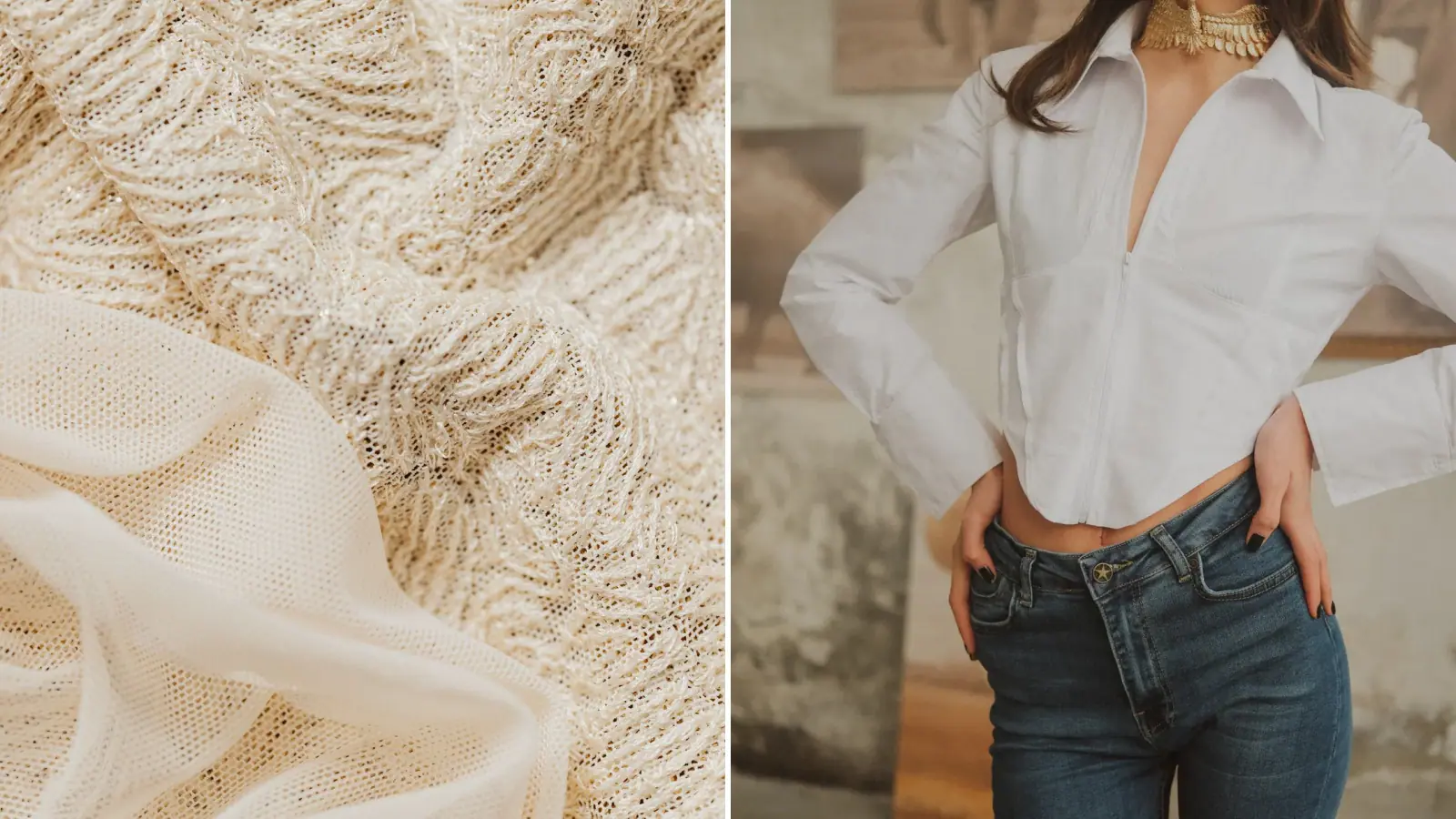
At Balenciaga, where Pierpaolo Piccioli has now been for a year, couture techniques are used on a T-shirt, jeans and a leather jacket. The standout is a white button-up shirt with a corset peplum and a cape attached at the back. Outer seams taken from couture corsets give shape to ready-to-wear without squeezing the body. The jeans are cut on the diagonal of the fabric, and a pale pink taffeta ball gown is worn over them.
Piccioli pairs these pieces with calm, straight trousers to balance them. The collection uses crepe de chine, chiffon, Calais lace and distressed denim, and the first nine looks are in white and ivory. Balenciaga says the idea is comfort "like in your own skin".
The shirt with the cinched waist and the diagonal jeans can be worn every day. The ball gown over jeans and the very high collars are for the runway and hard to wear to work.
Light denim at Hermès, organza tweed at Chanel
At Hermès, Nadège Vanhee works with air in the fabric: pleated leather jackets inspired by a ceiling fan, perforated suede jackets, knitted dresses like a fishing net, and light denim. Wide trousers and a jacket in this denim are the easiest way to bring the collection into a real wardrobe. The net dresses and the layers over prominent underwear are more for the show.
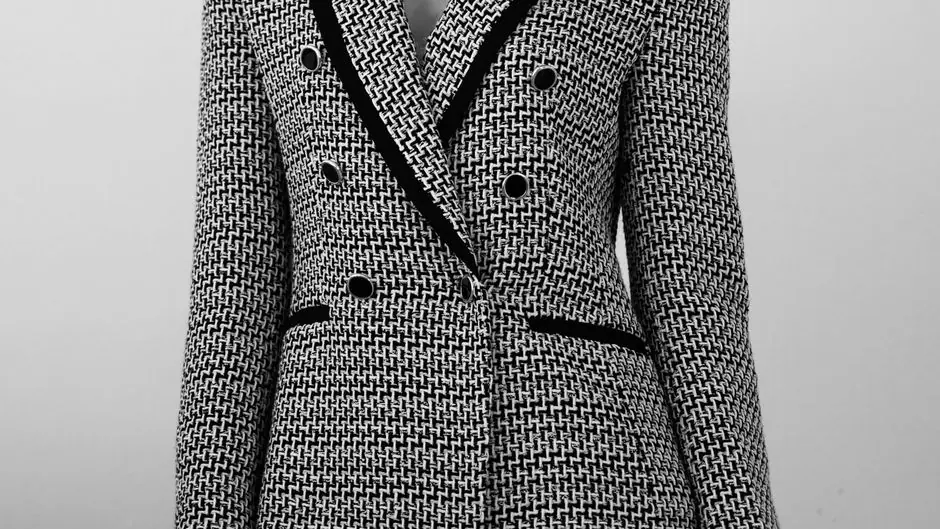
At Chanel, Matthieu Blazy showed sheer ivory knitted jumpsuits with feathers attached, reworked Charvet shirts and the classic tweed jacket, sometimes short, sometimes with a crystal collar. The new part is the tweed. It stretches and is made from re-embroidered organza and silk, which softens the formal suit. The brand's commercial line could turn this tweed into a wearable jacket much faster than it could the feathers on the jumpsuits.
Alessandro Michele showed his Valentino collection in a Paris library. The clothes include jeans with double pleats, checked shirts and baseball caps, alongside fuchsia satin, large rosettes and bustiers in rich colours. The mix of materials is deliberately unexpected, because Michele is distancing himself from algorithmic fashion.
What the five shows share is light, sheer fabrics on familiar garments. Dior's sheer lace over a high-waisted skirt is one example: the skirt is for the office, while the cape is fully transparent.
It is not known how many of the designs will reach shops, or when, or what they will cost.
Comments (0)
Все още няма коментари.