
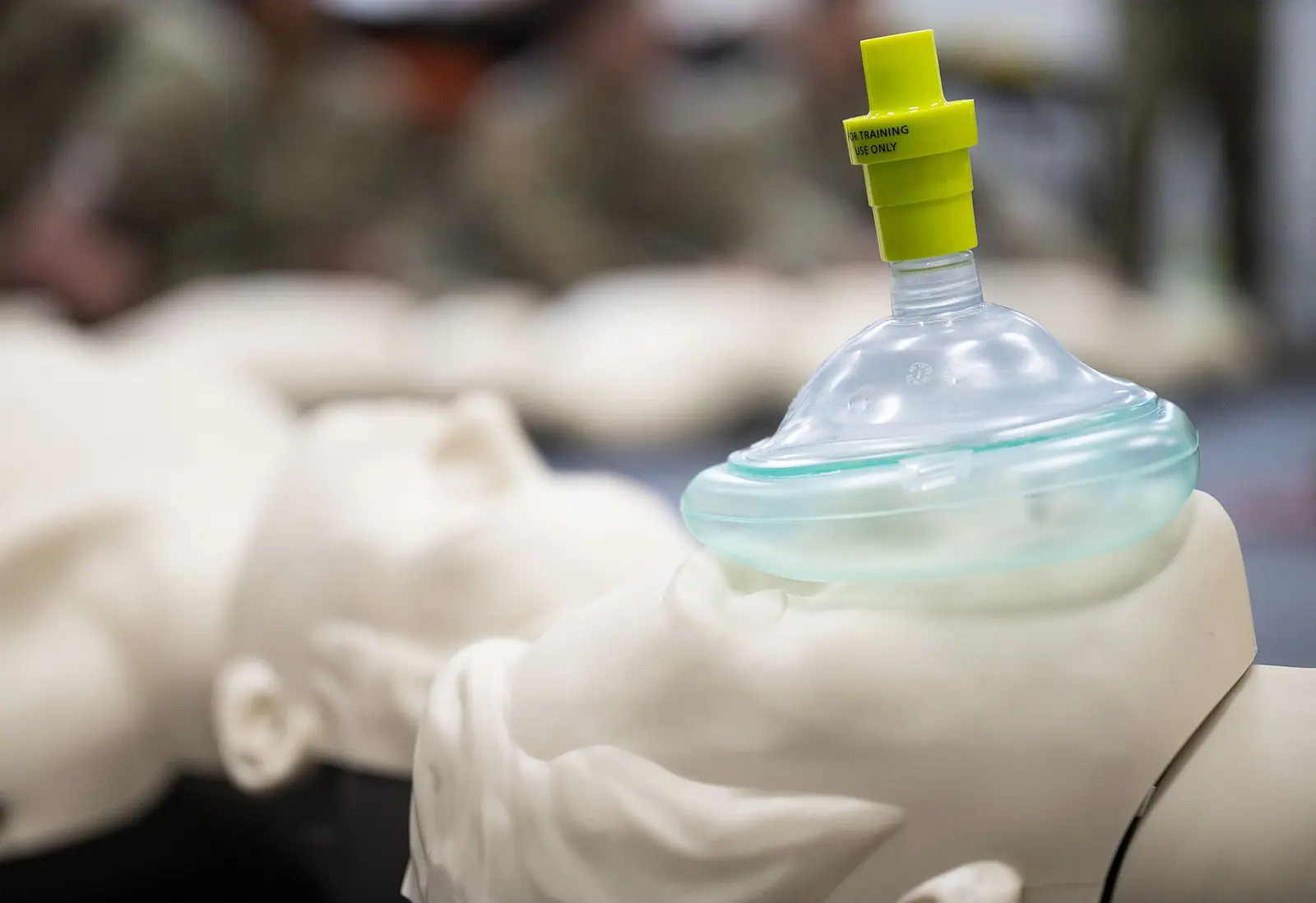
The Paramedics Union of Bulgaria is officially calling for the introduction of mandatory practical training in emergency care for all personnel working in specialized rehabilitation hospitals. In a statement sent to the media, the organization emphasizes that this proposal is based on successful models applied in the developed healthcare systems of European Union countries.
The primary motive for this request is the new standard for Physical and Rehabilitation Medicine, adopted in 2025, as well as the increasing number of cases in recent years where specialized hospitals have been forced to seek assistance from 112. According to experts from the Union, these medical facilities, often referred to as sanatoriums, do not merely perform standard procedures; they treat patients who have suffered strokes, severe vascular incidents, complex surgeries, and trauma, many of whom have underlying cardiovascular or other chronic conditions.
The new standard for Physical and Rehabilitation Medicine expands the scope of treatment to include patients with neurological, cardiological, oncological, and pulmonary issues. Its text explicitly highlights the real risks of complications, including thromboembolisms, phlebothrombosis, and serious exacerbation of comorbid diagnoses. Practical scenarios such as sudden loss of consciousness following a stroke, severe arrhythmia, heart attack, hypoglycemia in diabetics, or acute allergic reactions during inhalation treatment require staff to be prepared for an immediate response.
In accordance with the current "Emergency Medicine" standard, every hospital facility is required to take all necessary actions to stabilize a patient in critical condition until the arrival of an EMS team. However, in specialized rehabilitation hospitals, there is a lack of a unified practical readiness standard. While it is assumed that doctors possess basic skills, they require regular refreshers, and the primary specialists—physiotherapists and rehabilitation therapists—have training focused on the treatment process rather than emergency medicine.
The training system proposed by the Union includes the following key elements:
- Acquisition of skills for basic life support and cardiopulmonary resuscitation;
- Practical work with an automated external defibrillator;
- Methods for recognizing stroke, heart attack, anaphylactic shock, hypoglycemia, and other life-threatening conditions;
- Application of response algorithms until the arrival of emergency teams and periodic refreshing through simulations.
The organization is calling on the Ministry of Health to discuss the introduction of a minimum practical standard tailored to the 24-hour nature of operations and the patient profile. The request also includes defining mandatory minimum equipment for initial response in these facilities.
In the same statement, the Paramedics Union also recalls its significant success achieved in June regarding the establishment of the "Paramedic" profession. The new State Educational Standard, which transfers the profession to the "Health Care" field with clearly defined competencies and opportunities for professional realization, has already been published in the State Gazette.

Comments (4)
абе, логично е все пак! хората са болни
Абе пичове, нали така трябва да е?! Да са подготвени все! Честито, че се сетиха най-
Ахахах, чакай малко... Сериозно ли обсъждаме това *сега*?! Да не би да сме си помислили, че досега някой се е грижел 🤦♂️
Абе пи4ове, к'во стаа? Сериозно ли сега ни занимаваме с това? Да не би да сме открили топлата вода?! 😅 Все