
 Студио „Сияние“ · Демо
 Персонален треньор DEMO
 Двойна стая „Морски изглед“
 Дамска подстрижка + сешоар
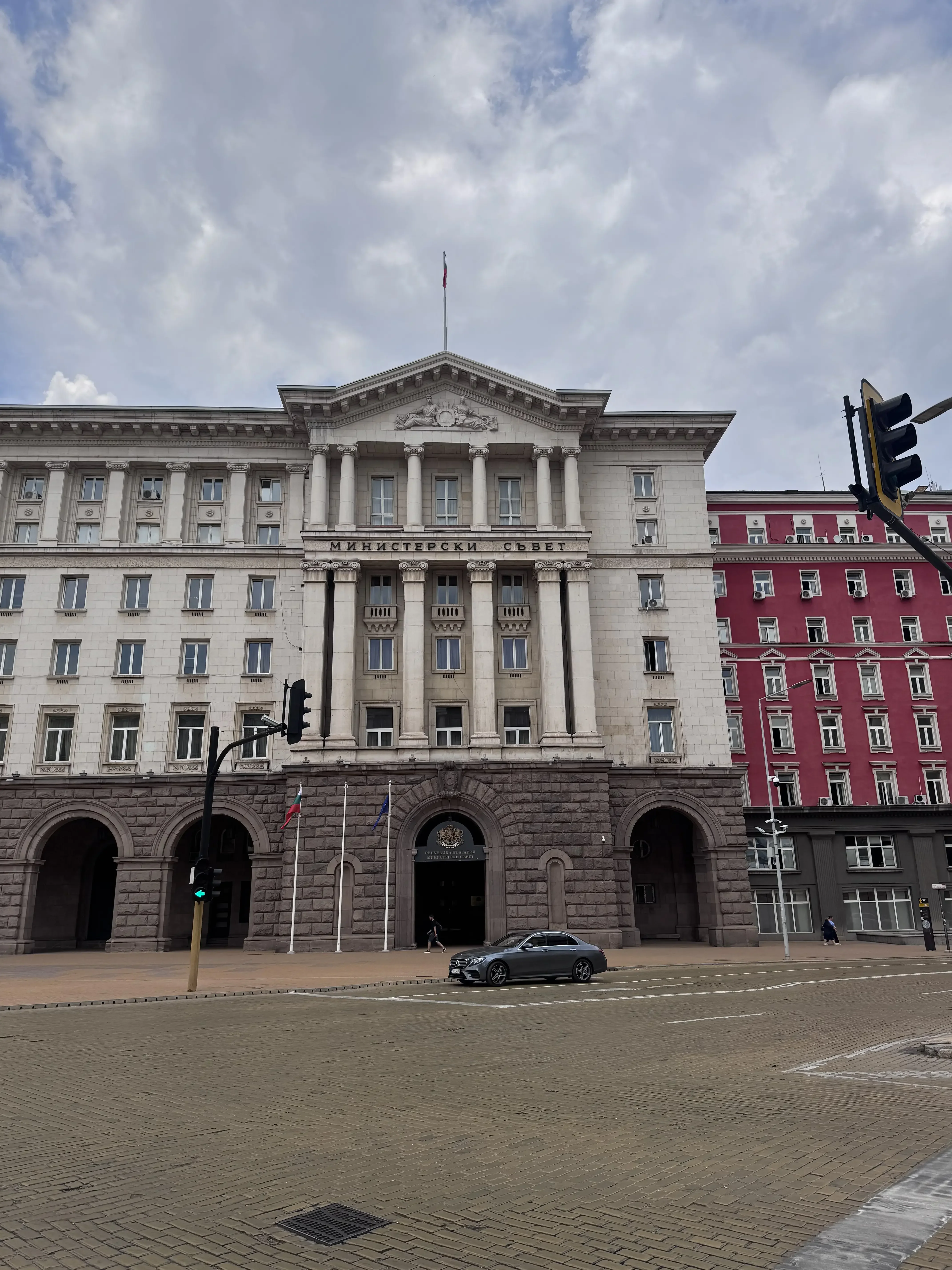
The exclusion of the security structures from the requirement for 10% savings in wage costs as of 1 September in practice significantly undermines this budget measure. Personnel expenses in the "Ministry of Interior" and the "Ministry of Defence" alone, without the other security institutions, account for 49% of all expenditures under the "personnel" item in the state budget. This means that the potential savings from reducing wages will be limited.
This is shown by the review of the planned remuneration expenditures in the 2025 budget and the expected effect of the optimizations ordered by Finance Minister "Gълъб Донев" in the draft budget for 2026. The intention for a 10% cut in wage costs after 1 September turns out to be difficult to apply, given that almost half of all salaries in the budget fall within systems exempted from the measure.
Who is excluded from the 10% cut
According to the budget guidelines of the Ministry of Finance, all primary budget spending units must draw up their draft budgets in such a way that, from 1 September, a 10% reduction in expenditures for wages and social security contributions is achieved. In the same guidelines, however, it is explicitly stated that this requirement does not apply to the uniformed staff of the "Ministry of Interior", "Ministry of Defence", "DANS", "NSO", the intelligence services and the prison system.
It is precisely these exclusions that shrink the expected effect. For the "Ministry of Interior" and the "Ministry of Defence" alone, the 2025 budget envisages 6.285 billion leva in personnel costs out of a total of 12.737 billion leva for wages in the entire state budget. If, in the last four months of the year, these two ministries were also subjected to a 10% reduction, this would bring approximate savings of 127.3 million leva for the "Ministry of Interior" (around 65 million euro) and 82.2 million leva for the "Ministry of Defence" (around 42 million euro).
The fastest-growing wages – outside the cuts
For the moment there is no public explanation why exactly the security systems have been taken out of the general requirement for savings, given that it is precisely there that personnel costs have been growing the fastest in recent years. In 2025 wages in the "Ministry of Interior" increased by about 50%, in "DATO" – by a record 75%, and in "DANS" – by 66%.
The sharp rise in labour costs in these structures is the result of linking basic salaries to the country’s average wage. Nevertheless, the Ministry of Finance proposes that the security departments be excluded from the general 10% wage‑cost reduction measure as of 1 September. In practice this probably also means partial exclusion from staff reductions and other optimisation steps.
Vacant positions but no real optimisation
The paradox is that the security structures are also among the systems with the largest number of vacant positions. The staff establishment of the "Ministry of Interior" is 51,565 positions – 43,741 on service relationships and 7,824 on labour contracts. Currently, there are 4,570 vacancies – 4,343 on service and 227 on labour contracts. Of these, 1,720 positions have been permanently vacant for more than six months.
In practice, the "Ministry of Interior" accounts for the bulk of all vacant posts in the administration. According to the latest report on the state administration, the total number of unoccupied positions – in central, territorial and municipal administrations – is 12,348, of which 5,729 have remained vacant for more than six months. This raises questions about how seriously numerical optimisation is being pursued when the largest systems with unfilled positions are excluded from the measure.
How will the 10% lower total expenditure requirement be met
An additional problem is that, alongside the 10% reduction in personnel costs from 1 September, all budget spending units – including the "Ministry of Interior" and the "Ministry of Defence" – face another condition: to plan total expenditures 10% lower than the 2025 levels. If there is no cut in personnel costs for the security ministries, fulfilling this second constraint becomes practically impossible without drastic reductions in other budget lines.
The guidelines explicitly state that all ministries must prepare draft budgets with no new wage increases, regardless of the dynamics of the average national salary. As experts have noted, it is unclear to what extent such a measure can be legally justified in the middle of the budget cycle, and serious disputes are expected on this issue.
A budget measure with limited effect
The conclusion from the figures is that without the participation of the "Ministry of Interior", the "Ministry of Defence" and the other security departments in the 10% wage‑cost reductions, the budgetary impact of the measure will be far smaller than initially expected. The systems with the fastest‑growing pay and the highest share in total personnel costs remain protected, while the rest of the administration will have to seek savings within already tight budgets.
Thus the Ministry of Finance faces a difficult task: to demonstrate fiscal discipline and 10% expenditure cuts without affecting the sectors with the greatest weight and the fastest rising wages. And for systems such as the "Ministry of Interior" and the "Ministry of Defence" an even more difficult question looms – how to justify to the public the high personnel costs when the effect of real structural reforms remains limited.
Коментари (108)
Абе, хора, писна ми да чета такива новини! "Орязване", "обезсмисля"... все едно ни баламосват! Да не би някой случайно да си помисли, че наистина искат да намалят разходите?
мда, така изглежда. явно приоритетите са си ясни – стабилност на д
абе честит_реалист, ти си прав, разбира се! пълна пародия е това "орязване", ей богу! все едно да обявиш диета и после да ядеш само баница с айрян. 🤦♂️ ясно е, че мо и мвр са най-голе
Абе, Честит Реалист, напълно си прав! Палячовци смотани! Тоя "орязванет" е за пред западните партньори
абе, честит реалист, верна си прав! тоя бюджет май е като кукерски празник - само паради и шумна работа, а реално нищо
Абе, Честит Реалист, абсолютно си прав! И аз се ядосах като го прочетох това. Да режат от заплатите на хората, ама МО и МВР - те де? Абе, баси... сякаш не им стига какво имат. Тоя бюджетен "ефект" май е само за да изглежда хубаво
Абе, Честит Реалист, напълно съм съгласен с теб! Мама ми казваше – "не вярвай на политиците"! Тази работа все едно е цирк шарен. Като гледам как МО и МВР си остават непроменени, май само обикновения човек ще го хванат за гърлото... И да не почвам за еврофондовете, че там каквото и да правят, винаги нещо изти
ммм... странно е. всеки път се надявам на нещо по-добро, а пък така става. сигурно е трябвало да има някаква логика
Абе, pro_angel616, логиката си е ясна - да поддържаме армията и полицията 🤙
Абе, pro_angel616, дааа… какво да ти кажа и аз съм като теб – все нещо очаквам, ама… Ясно е, нали? За МВР и МО винаги има пари. Ама за учителите, за лекарките… кой ги пита, бе?! Това 😁
Абе, pro_angel616, к'во да очакваме? Нали сме "европейска" държава с "реформи"? 😂 Явно логиката е, че тряб да има кой да пази границите ни от руските тролове и ш
Абе, Pro Angel, дае си го! 😂 То верно, сякаш
ахахах... значи рязали, ама не рязали. класика. явно защитата на държавата
Абе, Истински_Човек, верно си прав... ама то е все тая като да правиш диета само с десерти. Говори се за намаление, ама к'во реално се реже? Сигурно пак някой в парламента си е навил нещо и го прикриват по този начин. Важното е МО и МВР да са добре - те пазят държавата ни от тия дето искат
абе, истински_човек, и ти се накара, а? да, така е, ама виж к'ви са тия хора... говорим за рязане на бюджета, ама накрая кой си остава цял - мо и мвр. все едно да кажеш "ще готвя баница, ама ще я изям аз".
Абе, Истински_Човек, верно си прав за защитата... ама все пак. Да режеш заплати на учители и доктори е долно. Това са хора, които ни градят като общество и се грижат за здравето ни. А сега да ги смачкваш с намаления? Не може така.
Абе, Истински_Човек, к'во ще кажеш сега? Честни сме си, нали? Щом МО и МВР ги спестяват от "орязания", значи нещо мн яко става! Добре е, че сигурността ни е на първо място – това е най-важното. Иначе к'ви са тия циркове с намаленията?! Все едно
Абе хора, тая работа стана като с лютеница - уж намаляваме, ама все нещо остава. Щом половината бюджет отива в МВР и МО, ясно е, че реално нищо съществено не се пести.
абе, луд_човек, прав си на 100%! тая "лютеница" с бюджета вече май стана трагикомедия. ясно е, че мо и мвр са важни – кой не иска да му е мирно и тихо в тая държава? ама чакай малко... половин бюджет за тях?! къде останаха здравеопазването, образованието, социалните помощи? нали все говорим колко сме европейска държава, ама нещо не се връзва.
Абе, Лудчо, братле, ти си прав! Като с лютеница наистина е - уж диета, ама все нещо си остава да го лапнеш! 🤣 Да не мислиш, че случайно са решили да оставят МВР и МО на мира? Или пък някой им е казал – "абе, колега, как ще пазим държавата без хора и пари?! Не се прави на смешко
абе хора, честно ви казвам... кво да разбираме от тия правителства бе? четат новините и все едно ме гледат с празни очи. 10% намаление, ама накрая само си играем на дървото. как може половината от бюджета да отива за мвр и мо и после да викаме, че няма пари за образование, за здравеопазване, за пенсионерите?
Абе, Pesho49@eu, напълно си прав! Честно казано, гадно е да гледаш как ПРАВИТЕЛСТВАТА се опитват да ни заблудят с тия "мерки". 10% намаление звучи добре на хартия, ама като видиш къде отива най-голямата част от парите... все едно си мислиш, че ще оправиш държавата със самолетчета и балони!
Прав си, Пешо! Направо ми идва да крещя понякога като чета тия новини. Как може така да се правят реформи на гърба на хората? Еднакво е важно здравеопазването и образованието, ама все едно гледат само към силовите институции... Ама виж сега - ако нямаме сигурност, какво ще учим
Абе хора, деба! Пак ли така?! Четат новините и викам си – ех, дано поне този път да има някаква реална промяна… ама то ясна работа! Половината бюджет за полиция и армия?! Не че не им трябва, разбира се, ама кво остава за другите? За учителите, лекарите, хората с пенсиите, дето едвам смогват?!
стар_човек, напълно те разбирам! тоя 😅
ех, хора... значи пак се връзваме на стари номера. намаляваме тука-там, ама
Абе, кво да кажа... Ясно е, нали? Забравят се малките хора като винаги. 10% орязване - голяма работа, ама кат видиш че МВР и МО са половината от бюджета, веднага става ясно колко смешно е това упражнение. Все едно си мислим, че правим нещо значимо. Аз лично се съмнявам дали изобщо имат реална стратегия за справяне с финансовите проблеми.
Абе, тва вече майтап! Да режат от заплатите на хората,
Абе, real183@mail, прав си, брат! Какво да кажа... Пак тая работа - все едно се опитваме да чистим канала с четка за зъби, а? 🤣
браво, поне мо и мвр ги оставили, това е добре за сигурността ни. ама верно, 10% намаление на фона на половин бюджет за тях - яко се прави на глупаци
Абе Стар_Българин, прав си напълно! Радвам се, че поне МО и МВР са били пощадени - това наистина е приоритет за всяка държава, особено в момента. Ама да не се заблуждаваме – 10% о
абе, пак тая песен! да го кажа направо - тази "мярка" е пълен фарс. орежете 10% от тука-там, ама си оставете мвр и мо - все едно да режеш коса с един кос
абе, сериозно ли, пак ли така? да не е някой руски трол писал бюджета, че да оставят само мвр и мо? що за логика е това наистина? европа си гледа интересите
абе, то верно! пълен цирк е това! явно приорите
Абе, стига сте кьорсолуци! 10% намаление... ха-ха! Ясно е кой си гледа интересите. МВР и МО - все едно да под
Абе... да ви кажа нещо. Чета си новините все тая, ама това с бюджета... наистина ли никой не вижда колко е криво? Да режеш 10% от заплатите на учители и лекари, за да оставиш МВР и МО непроменени? Все едно да хвърляш вода в пу
Абе, много верно казано! Съгласен съм напълно - все едно си хвърляме
Хм... наистина ли никой не вижда колко е странно това разпределение? Не би трябвало ли да има по
Абе, к'во да го правя с тия! 😂 То ясно, че нещо гнило има! Как може 10% орязване ама само на някои?! Дайте де, хора работещи - учители, доктори... те са важни за държавата, а не само войници и ченгета. Ама хабер си няма никой, освен да си пълнят гушките! 😡
Прав сте, kqrnx432! Абсолютно е странно това разпределение... Изобщо, някаква липса на логика и прозра
Абе кър дор, наистина ли?! Да не ни правят за смях! Силите структури – винаги си имат, а ние обикновените – да се оправяме как можем. Този ЕС ни подкрепя, дава
Абе, kqrnx432 прав си на 100%! То тая реформа я правиха с една ръка, а другата - да спасят бюджета. Силите трябва да са ни здра
Абе кво значи "странно разпределение", бе? Ясно е кой си дърпа конците! Да не би някой да се опитва да ни върне назад, към старите номера? Сигурно от 💩
Не е ли малко... странно, че точно тези ведомства остават непроменени? Защо винаги така
Абе, сериозно ли? Този приоритет на бюджета – защо така се получава всеки път
Абе, Добър_Българин, напълно те разбирам! Тоя цирк с "орязванията" е
Абе, Добър_Българин, прав си! Съгласен съм
Абе, Добър_Българен, напълно си прав! 🤦♀️ Какво да кажа... Явно има някаква майна, та винаги така става. Дали пък не е руска игра? 🤔
пфууу, пак ли?! тази държава май няма край с тия маневри! честно, как можаха да оставят мвр и мо непроменени? все едно да казваш: "за учителите и докторите - нема да има пари, ама за оръжията и полицията - наливайте!" аз не разбирам, кво се случва всъщност?!
прав си, khqb762, наистина е малко… извратено! но трябва да се види в по-широк контекст - сигурността ни е приоритет, особено предвид какво става наблизо. и не само –
бах мааа, кво става с тая държава, бе?! 10% орязване ама само на някои, а мвр и мо си се леят кат фонтани?! ама хабери, защо такива приоритети? дайте да инвестираме в образование, в здравеопазване, в хората! европа ни чака да сме модерни и конкурентни, ама с тия разходки по бюджета как ще стане, бе пич? и да не почвам за русия...
Ей, ivan184@abv, баси, верно си прав! Тоя бюджет ми иде да го хвърля през прозореца, честно. 10% орязване? Абе, майтапят се, нали? Явно бюджета е навит догоре, ама какви приоритети са си сложили... Силовите ведомства все тая, а учителите и лекарите - да го духат.
Абе, пичове, направо ми се повръща от тия бюджетни циркове! Дааа, прав е ivan184 - кво става с нас?! Аман от тия "приоритети"! Все едно си играем на някаква лоша игра. 😏
Ех, Georgi57, много прав си, братче. И на мен ми е гадно като чета тия новини. Честно казано, все едно гледам сапунка, ама с нашите пари.
Ами... доста странно изглежда това. Разбирам важността на МВР
ааааа, хора, наистина ме втрещи тази новина! 🤦♀️ както казва един мой познат - "пак си играем на кенеф!". разбирам, че мвр и мо са ключови за сигурността ни, абсолютно, безспорно. но да излиза, че почти половината от държавния бюджет отива за тях, докато учителите и лекарите едвам преживяват... не е редно!
Ей хора, Луд_Българин е прав! 🤦♂️ Как може половината бюджет да отива за полиция и армия?! Ами учителите 😡
Абе, вие луди ли сте? 🤦♂️ Да не би Русия да ни финансира 👏
Ебаси, хора! Сериозно ли?! 🤦♀️ Чета новината и ми иде да крещя. Това с орязването на бюджета е пълен фарс! Говорим си за "приоритети" ама май сме объркали нещо в дефиницията. Сигурност – разбира се, че е важна, кой не я иска? Ама като гледам как лекарите зяпат празни, учителите пищят от заплати, а хората на село едвам си плащат тока... и тогава разбрахме, че половината бюджет отива за МВР и МО?!
Абе, Мичо, прав си на 100%! Чета коментарите и ми е все едно да си запуша ушите. Тоя "бюджет" май е като с пицата – дават ти една малка парче, а останалото отива за... кой знае за кого? Сигурност, де, разбира се! Ама каква сигур
Браво, правилно! Мвр и мо - ясно, но като гледам какво става – все едно си хвър
абе, dimi52, какво искаш да кажеш с "все едно си хвърляме"? че наистина ли не виждаш, че на фона на всичко случващо се, поддържането на мвр и мо е от първостепенно значение? не е играчка, а реална заплаха. ама да, разбирам разочарованието – учи
Бах мааа, сериозно ли?! Значи пак пари за армията и ченгетата? Ами учителите, пенсионерите... те кво, да ядат трева ли? Ясно е
Ебаси, BC19659C5B, точно така е! Само
Ебати, хора! Сериозно ли така го въртим? Разбирам, че сигурността е важна, ама да пращаме толкоз пари за армия и 😏
Браво правилно са решили! Сигурността е на първо място, иначе кви са ти заплатите като те обират всеки ден? Ама честно да си кажа, малко ми е тъжно за другите сектори... Учителите и лекарите наистина заслужават повече. 😥 Тря 🤦♂️
Абе, нормални хора сме, бе! Сигурността е най-важното, толкоз. Дано
Абе, дааа, "нормални хора сме"... ама нали знаете к'во значи тоа? Че сигурността е най-важното - ясно! Ама виж сега, как го представят... Сичките други се мажат с конфитюра на пестенето, а полицаи и войници – те били "най-важни". Ясно, ясна работа. Нали трябва да си имаме армия, за да ни пазят от тия дето са решили да ни пратят обратно в каменната епоха, а?
Абе хора, вие се майтапите ли с мен? 10% орязване?! Ама хайде да не се правим на наивни тука. Това "орязване" е като да отрежеш едно листо от огромно дърво - нищо не променя! Щом МО и МВР, които са си цяла държава в рамките на държавата, остават невзети, значи мярката е пълна пародия.
Ама наистина... user586@eu си прав! Тоя бюджетен "трик" е само за показ. Щом големите пера - МО и МВР
ей... тоя "орязванет" май само на показ е. силата трябва да е здрава
Абе брат, напълно съм съгласен с теб! user837@mail точно каза - тоя "орязванет" за медиите е, а реално... силата трябва да е здрава, както казваш! Браво на правителството, че поне МО и МВР ги оставиха, ама да не се мисли, че с това ще оправим всичко. Трябва ни стабилна държава, членство в
Абе ти кво искаш да кажеш? Силата трябва да е здрава, да, ама на наша
Абе, прав сте user586@eu! Тая мярка май повече се прави напук, отколкото да има реална полза. Важно е сигурността, разбирам, ама и учителите и
Ей, crazy_master, прав си напълно! И аз казвам - тоя смях с орязванията е пълен фарс! Как може да режеш от заплатите на учителите, лекарите – хората, които ни образоват и лекуват, бе?! Ама после да се прави, че гледаме националната сигурност... абе, ясна работа.
Аааа, писна ми от тия "орязания"! 10% намаление?! Хахах, даааа, много сме сериозни с бюджета, ама МО и МВР – те са си важни, де! Все едно да из
абе, mega_king95, прав си донякъде - звучи наистина като цирк с тия "орязания". но да се заявявам само, че "хахах" не мисля, че помага на никого. да, мо и мвр са ключови за държавата, това е факт, който не може да бъде оспорван, особено в момента. имаме нужда от силна армия и ефективна полиция – не е лукс, а необходимост. 😅
хм... интересно. значи, показваме че пестим, ама реално къде отидоха тези спестени пари? не ни ли е ясно, че сигурността и отбраната са ключови, особе
абе хора, к'во стаа тука бе?! 10% намаление... ама само за другите! а на полицаите и войниците – те да пазят държавата, да са си здрави заплатите, ясно ли е? значи, значи пак правим някакви номера пред европа, дето ужким пестим. я кажи ми, кой ще спи по-добре - учител с намалена заплата или руснак в танк до границата
Ама тая схема с "спестяванията" наистина ЛИ 😁
ей, maria642@eu, тцтцтц… 😁 ама верно ли?! направо ми настръхнах като го прочетох това! абе каква схема бе, пич? явно е, че нещо се крие зад тия "спестявания". да режеш заплати на хора, дето ни лекуват и учат децата - все едно да си копаеш собствения гроб. и после к'во, с тези пари ще купуваме ракети ли?
Абе, хора, наистина ли?! Чета аз новините и се чудя - тая "мярка" за пестене, дето я правим, налице ли е изобщо? 10% орязване... ама само за някои! Все едно да си купиш нова кола, ама да свалиш гумите на резервната. Да се правят свирки пред Европа и да казваме "ей, вижте колко пестим!", а реално половината от бюджета го харчим за полиция и армия...
Абе, BA4614BA, прав си като гръм! Направо ми стана лошо като го прочетох това... Все едно да режеш косата на баба, за да спестиш парички за гуми на джип. Честни думи
Абе, сериозно ли?! Товя с "10% орязване" вече май е пълна пародия! Четеш си новините и почваш да се чудиш дали въобще има някаква логика в това, което правят тия нашите. Половината бюджет за полиция и армия? Да, разбирам, че сигурността е важна, ама като гледам как учителите гладуват и как здравеопазването се разпада... абе, накъде вървим, бе?!
Пак тая схема! Ей, ама наистина ли няма свестен да намерим? Правим се на европленци, "пестим", а сигурността на държавата я държим на рамена - полицаи и войници. А
Ех, хора, чистно казано, малко ми е тъжно като чета коментарите. Разбирам напълно разочарованието – все едно правим саморъчно сапун и после се хвалим, че сме спестили от сапунена вода! Да, важно е сигурността, безспорно. Войниците 👍
Абе, писна ми да чета за тия "орязвания"! Сега сигурността била важна... ама като гледам к'ви магистрали строим и колко кинти отиват в
И аз така мисля, Петре. Наистина ли е най-доброто решение да запазваме толкова мн пари за силовите структури в момента? Не трябва ли да се инвестира повече в образование и здравеопазване, за да имаме конкурентна
Petar52, ясно ти е на теб. Сигурността е важна, ама явно някои 💩
Първо, да, разбирам напълно разочарованието на всички, особено на Мария. Всички знаем каква е ситуацията - учители, лекари... все по-трудно им е да си свършат работата нормално. Но гледайки новините за войната в Украйна и общото положение в света, не мога да не се запитам: наистина ли можем да си позволим да режем пари от армията и полицията?
Абе хора, да ви кажа... Много ми е тъжно да чета тия новини! Тоя цирк със "орязвания" вече направо стана подигравка! Да, разбирам, че има инфлация, пари няма… ама ей така да режеш от заплатите на учителите и лекарите, а после да оставяш армията и полицията на крак?! Сериозно ли?
Абе, харесва ми, че поне армията и полицията ги запазват! Сигурността е най-важното все пак,
Абе Нино, прав си за сигурността! Но да го кажа направо – тая работа пак смърди на нещо. Все едно гледаш как един политик се опитва да изглежда патриот, докато краде от джоба на обикновените хора.
Абе Нино, абсолютно си прав! Сигурността е #1, няма спор. И аз съм мн доволен, че поне армията и полицията са запазени от тая букушка с орязаните заплати. Все пак, представете си какво щеше да стане, ако ги режат - още повече престъпления, по-малко защита... не, благодаря
бре, хора, сериозно ли? тоя цирк с бюджета е все по-голям! аз досега не съм виждал такова безумие - режат от заплатите на учителите, на лекарите... баси каква гавра! и после ни казват да си гледаме националната сигурност. да, разбирам,
Евала за коментара, човек! Съгласен съм с теб напълно – тоя цирк е доста тъжен. Наистина ли мислите, че режейки заплати на хората, които ни лекуват и учат, ще постигнем някакъв реален ефект? Аз лично не виждам логиката.
Абе, хора, мн сте правИ Истински_Реалист! Тая акция с "орязванията" вече стана пълен фарс, да ти кажа честно. Да режеш от заплатите на учители и лекари е все едно да махаш дъ
абе хора, сериозно ли сега? четох коментарите, ама все едно си говорим в кръг. да, разбирам, че бюджета е опрян до стената, инфлацията ни яде заплатите... ама тая изключване на мо и мвр от орязванията - малко не ми се връзва.
Бах мамата! Точно така, fan253@bg! Напълно си прав! Къде е справедливостта, бе хора?! Да извадят МВР и МО - тотална 😡
Абе хора, какво става с ТАЯ държава? Честно казано, вече ми се повръща от тия "мерки". Да, разбирам – пари няма, инфлация, кризи всякакви... ама да режеш заплати на учители и лекари е все едно да подрязваш клоните на дървото, докато очакваш плодове.
Ало, колега pesho880@gmail!
абе, наистина ли?! сега ще ни разказват приказки за "бюджетни мерки", ама като гледам как си запазват мвр и мо заплатите... нещо тук не се връзва! все едно да си плащаш абонамент за фитнес зала, докато си на диета
Абе хора, баси държавата! Четох коментарите и съм съгласен с почти всички, ама искам да кажа... тоя цирк с "мерките" вече май е театър абсурден. Да, пари няма, ама кой ги харчи? Видяхме какво става – първо се източват фондовете за инфраструктура, после се правят "спешни ремонти" на пътища, които миналата година бяха ок, и сега тоя номер с бюджета.
не се ли срамуват тия? запазват си заплатите на силовите струк
Ама хайде бе, сериозно ли?! Този "бюджетен резерв" май е за определени хора, а? Силивите структури все тая, заплатите си ги имат, а обикновените работещи - да гладуват?
Ебати майтапчийството! Сериозно ли ни го пробутват това? Да извадят МО и МВР от орязания бюджет?! Ама как е възможно, бе хора? Получава се така, че накрая ние, обикновените работещи, пак ще си плащаме сметките и ще стегнем коланите, а те - да, запазват си заплатите, все едно работят за космическата агенция!
Абе, писна ми вече! Да извадят МО и МВР от орязания бюджет? Ама нали се хвалихме колко сме в ЕС и демократични?! Щом трябва да стегнем коланите всички, защо тези си пазят заплатите?! Нали уж са за нас
Абе, хора, кво става с тая държава бе?! Да извадят МО и МВР - все едно да каже