
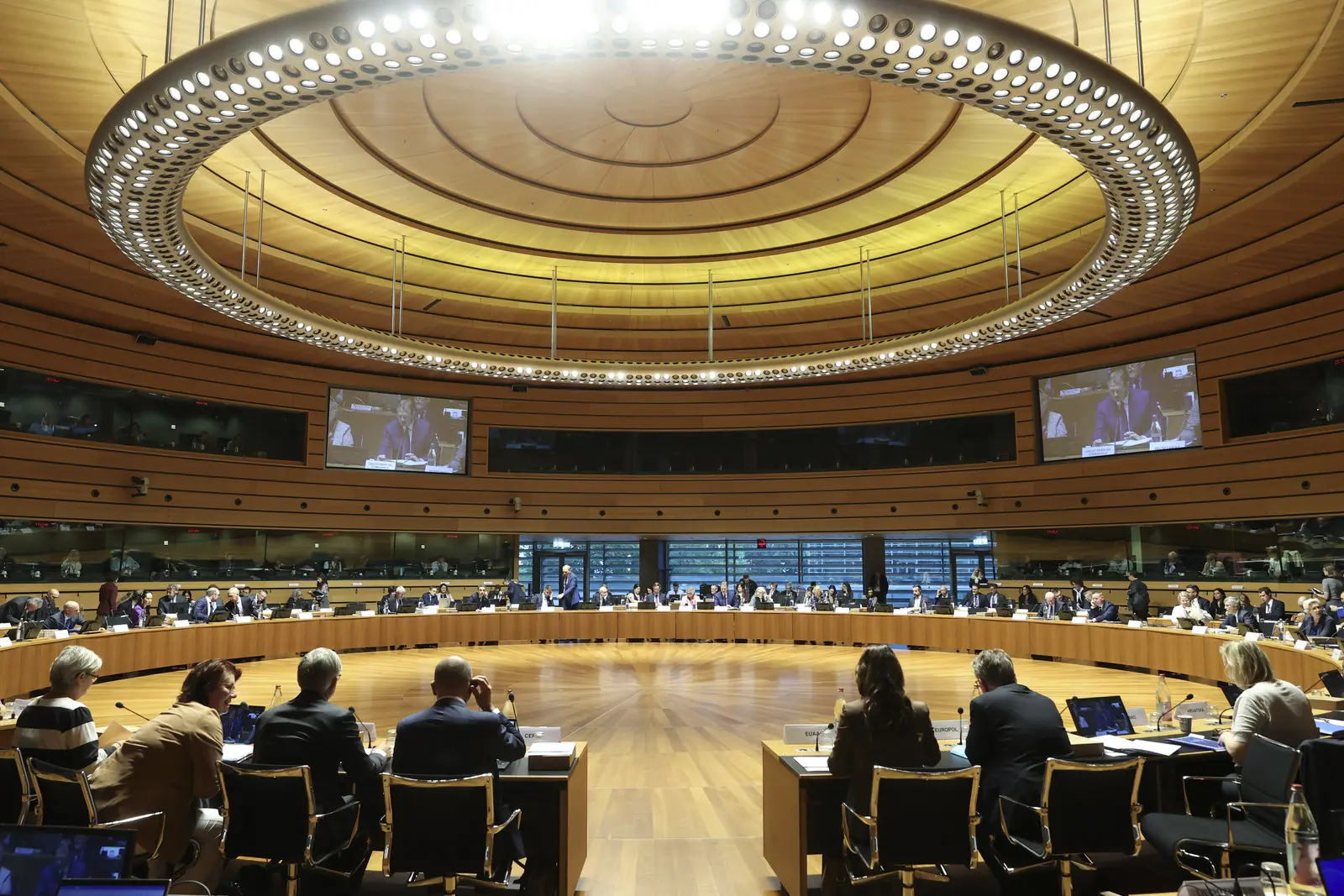
The meeting covered the state of the Schengen area, external borders, returns and readmission, and drug trafficking.
Miltenov thanked the European Commission for the Schengen barometer, which tracks illegal crossings at the external borders. He said the data show a steady drop in crossings into the EU, and Bulgaria is seeing the same trend.
The deputy minister said "the situation at the EU's external borders remains dynamic and calls for high technical and operational readiness."
The events in Ceuta show Europe must act together, he said, by securing external borders, stopping illegal migration, fighting migrant smuggling networks and backing front-line states.
Bulgaria has always supported wider information-sharing and every form of cross-border police cooperation, Miltenov added. He said the European Commission and EU agencies are leading the way on new technology, including artificial intelligence, in police work.
Bulgaria's location makes cooperation with third countries on returns and readmission especially important, he explained, even more so now that border procedures have come into force. "Third countries must fully meet their commitments, and the EU must press them on this with every tool it has," Miltenov said, calling for a consistent, practical approach to make the new migration system work.
The deputy minister named the fight against drug trafficking and dealing as one of the Bulgarian government's main priorities. He also backed talks on intimidation and violence tied to drug trafficking, noting that under Bulgarian law these are serious crimes the state responds with effective punishment.


Comments (0)
Все още няма коментари.