
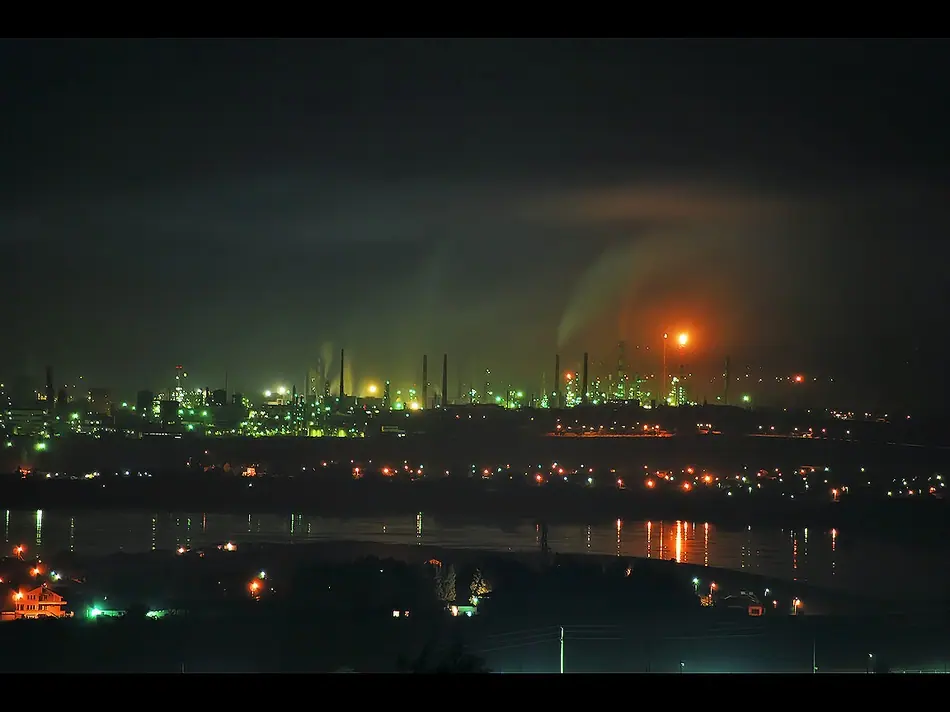
The Parliamentary Committee on Economic Policy, Investment, and Industry has adopted a draft resolution to lift the ban on fuel exports, which was introduced at the end of October last year. The proposal received overwhelming support during the vote, securing 19 votes in favor, none against, and two abstentions.
The document, submitted by the Council of Ministers, provides for the repeal of the National Assembly's resolution from October 31, 2025, which imposed the temporary measure restricting the export and intra-community delivery of oil products to other European Union member states. The draft was presented to the members of parliament by Deputy Minister of Economy, Investment, and Industry Mihaela Karadimova.
In the reasoning accompanying the proposal, the initiators detail the causes for the original ban, which affected diesel, kerosene, industrial fuels, and various oils. The primary considerations at the time were linked to ensuring the country's energy security, maintaining stability in the domestic market, and addressing supply unpredictability amidst US-imposed sanctions on companies within the Lukoil group. However, according to the initiators, circumstances have now changed significantly:
- Sanctions from the US and the UK no longer apply to the Lukoil group in Bulgaria, including Lukoil Neftohim Burgas AD, thanks to full special derogations issued by the governments of these countries.
- The appointment of a special commercial manager by the state guarantees the continuity of the companies' operational activities.
- The risks that led to the restriction have been fully mitigated, and the continuation of the ban is now creating serious administrative obstacles for businesses.
- Maintaining the restriction hinders the operation of the refinery in Burgas and leads to losses for operators, who are unable to fulfill their contractual obligations to international counterparts.
- Continuing the ban is in contradiction with European Union law, as it restricts the free movement of goods without a justified necessity.
The debate within the committee revealed varying positions regarding the consequences of lifting the restriction:
- Martin Dimitrov and Dzhipo Dzhipov of "Democratic Bulgaria" described the decision to lift the ban as irresponsible due to the lack of an impact assessment. They questioned how this move would affect fuel prices in our country, noting that prices in neighboring states are higher, which they argue could lead to price increases on the Bulgarian market as well.
- Slavi Vasilev of "Progressive Bulgaria" countered that pricing is tied to international market quotations rather than the production volumes of Lukoil Neftohim Burgas AD. He clarified that the refinery produces more than what is needed for domestic consumption, and the ban has led to full storage facilities and a forced decline in gasoline exports. According to him, the repeal will bring relief to businesses and increase profits for traders.
Deputy Minister Mihaela Karadimova confirmed that positive opinions on the project were received from the special manager of Lukoil, Evgeni Simeonov, and from the Bulgarian Petroleum and Gas Association. The industry organization emphasizes that there is no fuel shortage in our country and that resuming supplies to countries on the Balkan Peninsula is of key importance for the energy security of the entire region.

Comments (3)
Лукойл Нефтохим Бургас" ли? Сериозно, ама наистина ли сега?! Абе как може да се вдига забрана за износ на горива докато все още имаме проблеми с цените тука? Хората не могат да си налеят бензин спокойно, а те какво правят! Дано поне нещо добро излезе от това, че е малко притеснително
„Лукойл Нефтохим Бургас“ наистина ли е толкова важен
лукойл нефтохим бургас... 19 гласа? за тая работа ли дадохме гласове бе хора