
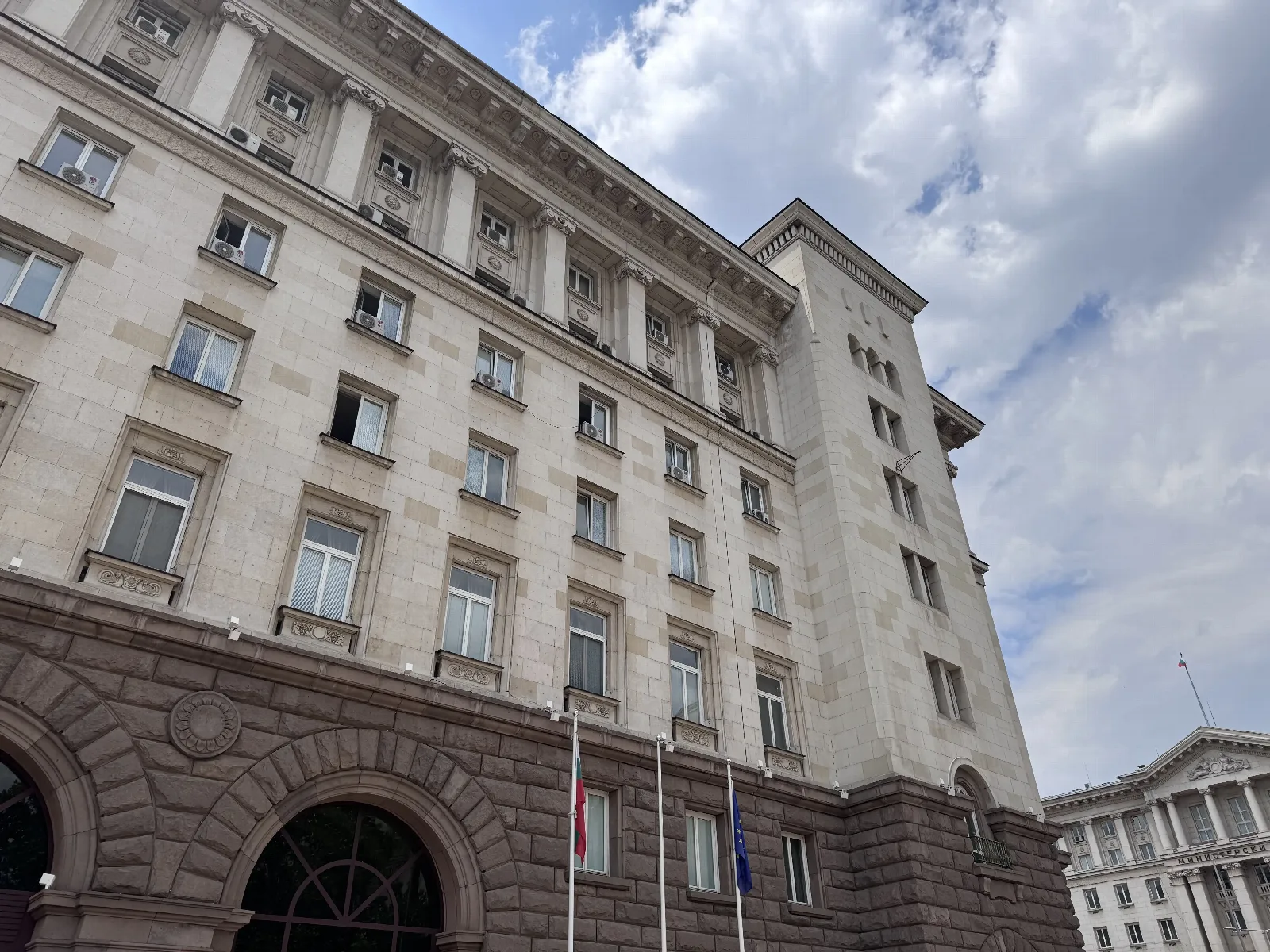
The National Assembly rejected a draft resolution, submitted by "Vazrazhdane," which would have tasked the Council of Ministers with requesting a one-week exemption from the European Commission regarding the ban on the import and purchase of crude oil and petroleum products originating from or exported by Russia. During the vote, the proposal received 10 votes "in favor," 13 votes "against," and 115 abstentions.
In the reasoning accompanying the submitted document, the proponents justified the need for this measure by citing an extraordinary situation caused by an armed conflict between Iran and the USA. According to them, this event led to a drastic spike in fuel prices on global markets. "Vazrazhdane" emphasized that if our country were to begin importing cheaper fuel from Russia amid this crisis, it would positively impact the Bulgarian economy and slow the growth of inflation, as well as the rising costs of all goods and services.
Tsoncho Ganev of "Vazrazhdane" highlighted the contradictions in state policy. He noted that when President Rumen Radev declares readiness to work toward restoring relations with Russia, it carries weight with voters. According to Ganev, however, as of today, the government is acting in the opposite way, neither working to restore these relations nor changing the Euro-Atlantic policies that have been followed for 37 years. "Fuel prices directly affect what happens in our economic life. We are paying high fuel prices, even though they could be lower if we had a guaranteed supplier a few hundred kilometers away that would deliver the guaranteed quantities we need," Ganev pointed out. He added that these sanctions are a burden on Bulgarian society and all consumers of goods and services.
For his part, MP Petar Petrov added that the rise in fuel prices is a key component forming the final costs of goods and services. He criticized the ruling majority, stating that the government has not yet presented a single comprehensive measure that citizens and businesses could benefit from to reduce their fuel costs. Petrov pointed out that other EU member states have already successfully implemented similar measures over the last three to four months.

Comments (3)
добре направиха. 30-те лева на литър няма да ги докараме, ако се върнем към руснаците.
Възраждане ли бяха? Сериозно ли чакат това...
Възраждане… наистина ли? Интересно защо винаги търсят връщане назад.