
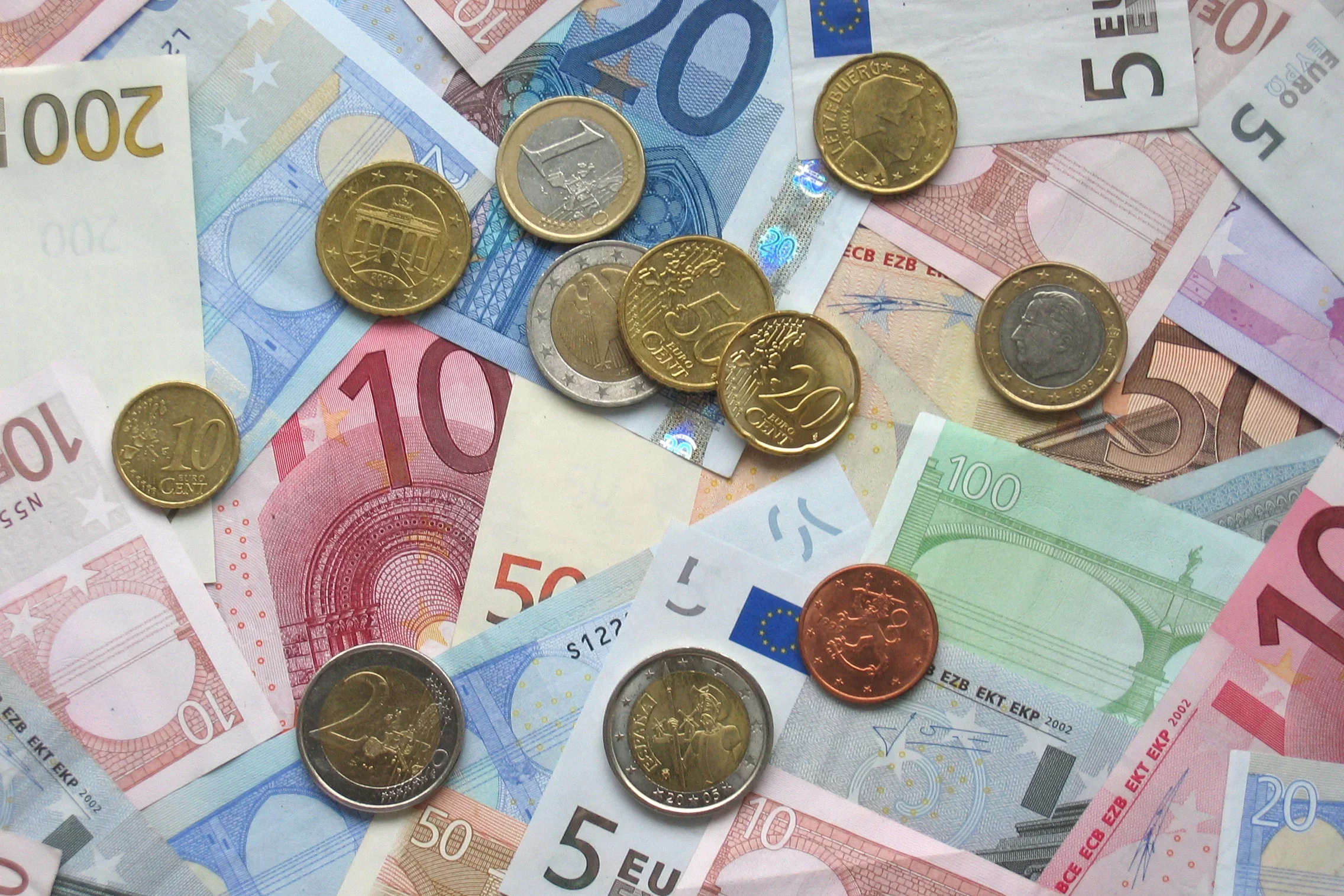
Monthly inflation in Bulgaria in February 2026 is expected to amount to 0.1 percent, which ranks the country among the countries with the weakest monthly price growth in the European Union, according to preliminary flash estimates from Eurostat. Zero inflation is expected in Cyprus, and a similar price increase of 0.1 percent is expected for Bulgaria, Portugal, and Slovakia.
On an annual basis, inflation in Bulgaria is expected to slow to 2.0 percent compared to 2.3 percent in January.
For comparison, the monthly price growth in February reaches 0.9 percent in Lithuania, 0.8 percent in Austria and France, and 0.7 percent in Ireland. In Germany, monthly inflation is 0.4 percent, in Spain – 0.4 percent, and in Italy – 0.6 percent.
In the Eurozone as a whole, annual inflation is expected to rise to 1.9 percent in February from 1.7 percent a month earlier.
The highest annual growth is forecast for services – 3.4 percent, followed by food, alcohol, and tobacco at 2.6 percent, non-energy industrial goods at 0.7 percent, and energy at minus 3.2 percent.
Yesterday, the NSI announced in its flash preliminary estimate that monthly inflation in Bulgaria, measured through the consumer price index (CPI), is expected to be 0.3 percent, and annual inflation is expected to be 3.3 percent in February 2026. The so-called flash inflation provides early information on the inflation rate before the publication of the final and detailed statistical data, with which Bulgaria can now be compared on this indicator with the other 20 countries of the Eurozone, after becoming part of the monetary union on January 1st of this year. The NSI data is for inflation measured through the CPI, while Eurostat's data is through the Harmonized Index of Consumer Prices (HICP).

Comments (15)
ей, хора, вие го гледате ли тоа? 0.1% инфлация! браво на правителството, браво на европа! накрая се оправихме, бе! като си спомня за тия години назад, помниш ли какви цени бяха – все едно си в при
Ей хора, вие го гледате ли?! 0.1% инфлация в България?! Браво, браво! Тая Европа си е работа - държат ни стабилно, да знаеш! Ама да видим дали наистина ще е така, че помним тия статии дето ни плашеха с кризи всяка година...
Абе, хора, готино е това с инфлацията! 0.1% - сериозно, все едно сме на правилен път. Дано задър
Евала, хора! 0.1% инфлация е супер новина! Най-накрая да имаме стабилност, особено след тия години с кризи и драми.
Абе, 0.1%?! Супер! Браво на еврозоната, че се