

Bulgaria faces no risk of a shortage of wheat, flour, bread or bakery products, and is not losing markets despite attacks on merchant ships in the Black Sea, Progressive Bulgaria MP Todor Dzhikov told BNT.
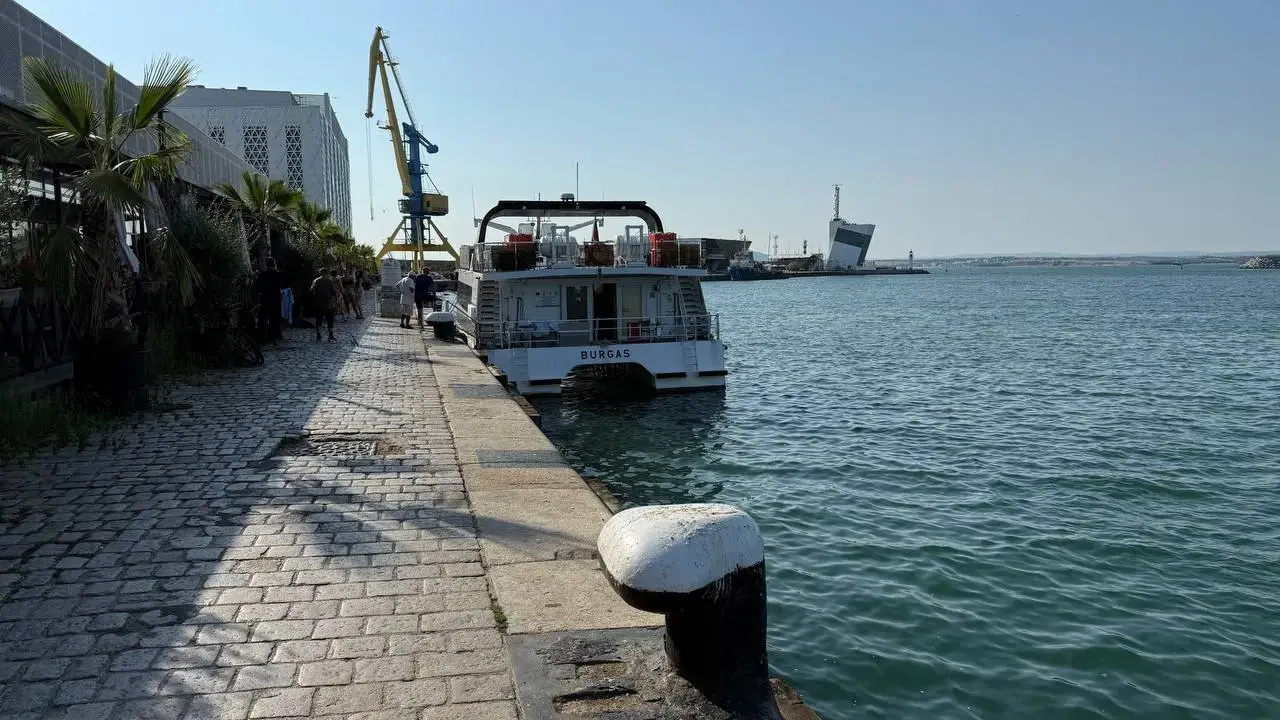
The former deputy agriculture minister warned that cargo insurance in the Black Sea is rising sharply. Shipping costs more, so grain growers will not fully benefit from higher world prices.
Bulgaria produces about 7 million tonnes of wheat a year on average and uses about 1.5 million tonnes. The world price is rising, which is good for local growers, but costlier insurance will push down the prices sellers get.
Dzhikov said the attacks in recent days hit ships of third countries that have no link to either Ukraine or Russia. The government has responded through diplomatic channels. While the investigation is under way, he said, it is rash to name a culprit. Russia, however, has been waging a full-scale war against Ukraine since February 2022, and the Black Sea is part of its theatre of war.
Dzhikov said Bulgaria's and Europe's break with Russian gas because of Russia's full-scale war against Ukraine is one of the most serious reasons for higher prices in Bulgaria.
The war in the Middle East, involving Israel, the US and Iran, adds to this. It causes problems in the Strait of Hormuz, makes fuel and shipping dearer, and means fewer oil tankers set out. The Middle East supplies about 25% of the world's yearly oil needs. There are several outside economic problems, and they hit Europe hardest.
Dzhikov believes the decision to free up Lukoil's exports will not push up fuel prices in Bulgaria. The Zhelyazkov cabinet (GERB) introduced the export ban last October, and a month later a special manager was appointed. He represents the state, oversees sales and can stop exports out of Bulgaria if there is a risk of running short of diesel.
The only effect of the ban was dearer fuel, the MP said. The price will be "optimised", because Lukoil's fixed costs are the same whether it refines 150 million or 250 million tonnes of fuel. The fuller the refinery's capacity is used, the lower these costs per unit.
Asked what will happen after mid-December, Dzhikov said the biggest problem is that the refinery's supplies of raw material in Bulgaria last only until then.
The ruling parties inherited a deficit of almost 9%, which he called a historic excessive deficit. Bulgaria is in an EU excessive deficit procedure.
Next year the money will go mainly to health care, education, industry and the economy. More funds are also planned to re-arm the army because of the situation in the past two weeks. Dzhikov promised that the ruling parties will turn off the "taps" where money leaks out.
The MP explained that capital spending in the budget is calculated at real market prices. "There will be no building of motorways at 200 million per kilometre," he said. A reasonable market price is about 20 million.
The "windfall profit" tax was introduced because of excessive mark-ups and is aimed mainly at supermarket chains, "which over the past few years built up very large profit growth on the backs of Bulgarian consumers," Dzhikov said. It also covers telecoms, gambling, quick loans and energy companies.
The ruling parties proposed measures to rein in prices in May, before anyone expected the crisis in the Middle East. Dzhikov believes bringing prices under control is extremely hard.
Asked whether energy companies will really pay the tax, he replied: "I think so." The host noted that there is still no full certainty about them.



Comments (1)
Зястраховките в Черно море обаче поскъпват значително, а? Да