
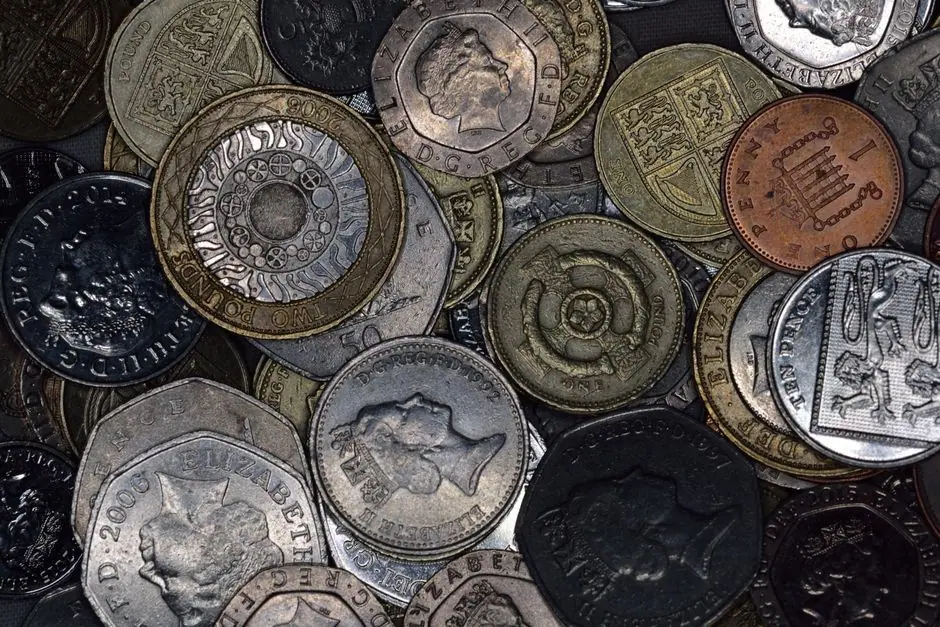
Archaeologists have found 20 Anglo-Saxon coins, 19 silver pennies and one halfpenny, the first physical proof of the Schola Saxonum, the Anglo-Saxon quarter near the Vatican founded around 727. The coins lay under the walled garden of the Palazzo della Rovere, also known as the Palazzo dei Penitenzieri. The find suggests the quarter was not just a shelter for pilgrims, but a place where people worked, traded and paid with English money.
The coins were struck over about four decades in the names of Edward the Elder (899–924), Athelstan (924–939) and Eadred (946–955). Some can be read clearly and come from mints in East Anglia, Kent, London and the West Midlands. Fourteen were found in rubbish pits, stuck together in two clumps of six and eight. The other six were scattered nearby. The study appears in the volume "Rome and the Others (300–1000)", by Marzia Di Mento, Rory Naismith, Valentina Pica, Filippo Salamone and Francesca Tinti.
A quarter between the Vatican and the Tiber
By tradition, King Ine of Wessex founded the Schola Saxonum in 727 as a hostel and church for Anglo-Saxon pilgrims visiting the tomb of St Peter. The quarter lay in the so-called Leonine City, between the Vatican and the River Tiber. Until now it was known only from written sources, and nothing physical had been found at the site. Tinti says that before the discovery, "we had no physical evidence".
The written sources also tell of special rights. According to Asser, Pope Marinus I freed the community "from all taxes and tolls". Naismith and Tinti also point to the Anglo-Saxons' right to bury their dead on site, and to the unusual permission to use their own money. It was unusual because Roman law generally did not allow other currencies among settlers.
What the money tells us
The halfpenny says the most. Such small coins rarely turn up in hoards, because they were used for everyday purchases. The researchers see it as a sign of small-scale trade. There are also traces of leather, bone and metal working across about 3,000 square metres, and one estimate says hundreds of craftsmen and traders lived in the quarter. Naismith says: "The Anglo-Saxons are there to visit the pope and tour the churches of Rome, but they still have to feed themselves."
The finds also include Italian coins from the 10th century, among them some from the time of Pope John X and from the mint at Pavia. But Naismith notes that more Anglo-Saxon coins of this period have now been found in Rome than papal ones. He says this means a large sum of money came from England.
One question remains open: where exactly the money came from. It is not clear whether the coins came from private deals in the quarter or from payments sent from England to the papacy, known as "Peter's Pence". Digs at the site began in 2020 under the Special Superintendency of Rome (Soprintendenza Speciale di Roma). Cecilia De Leone did the first review of the coins.



Comments (0)
Все още няма коментари.