
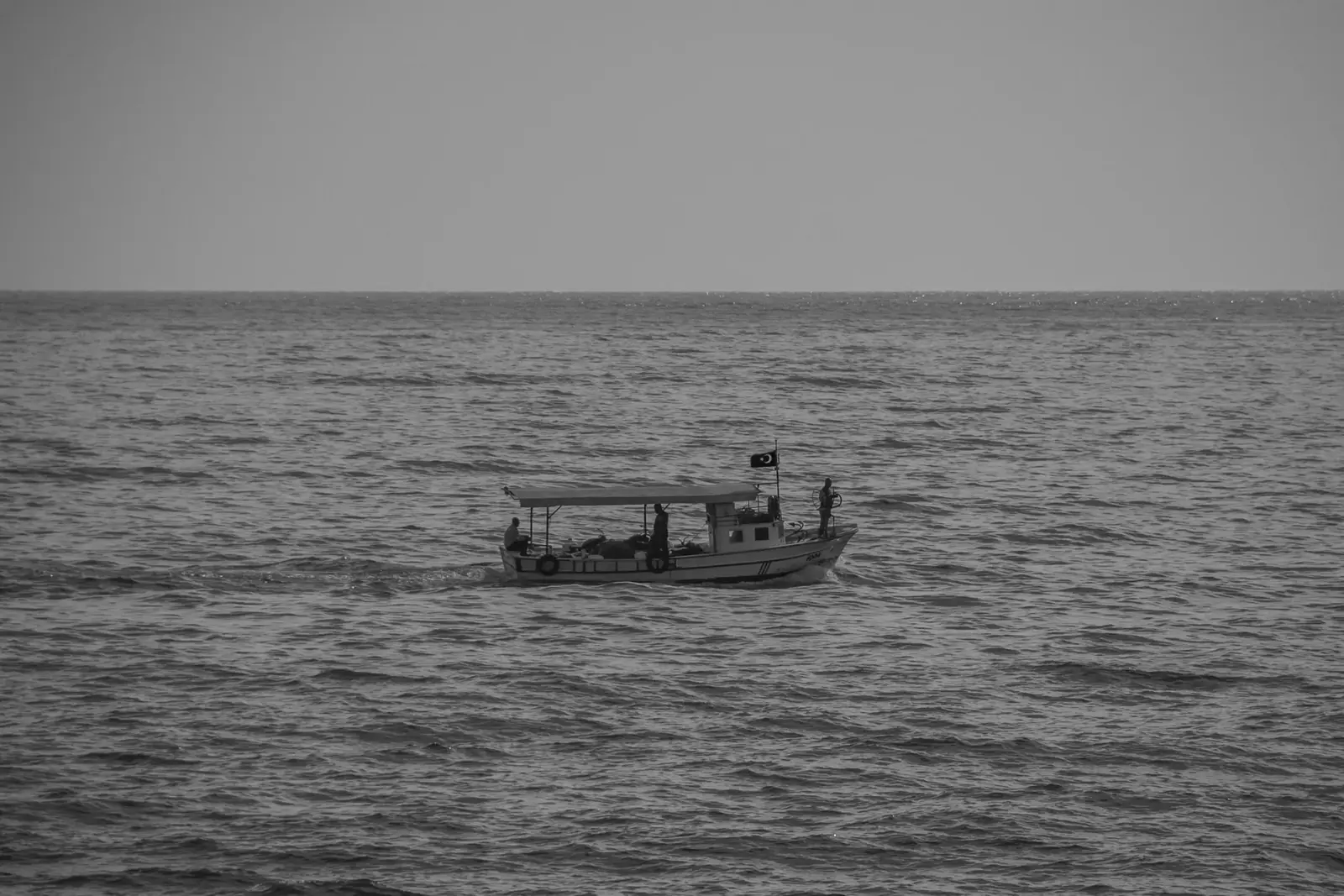
About half of fishing in the Black Sea is still in the grey economy, Yordan Gospodinov told reporters in Varna. He is executive director of the BG Fish association and chair of the Black Sea Advisory Council.
He said the main problem is that Bulgaria has no fishing ports with places for first sale, auctions and markets, where fish can be labelled, packed, graded and checked by vets. Ports that meet EU and world standards should have been built long ago in Sozopol, Nesebar, Varna and Balchik, he said.
Gospodinov spoke at the council's meeting in Varna. The council has 15 member associations, Bulgarian and foreign. One of the main topics was the fishing sector's move to digital reporting.
The council chair said digitalisation is part of common EU rules, and the EU is working hard to bring the industry into the open. There will be fewer checks on site, and catches will be recorded electronically. Anyone along the chain will be able to see how much fish, and which species, is landed. Vessels will still be inspected, but based on risk assessment.
He said the rules in Europe are clear and must be followed, all the more so because the catch of Bulgarian fishermen often goes to the European or world market. From now on, the toughest penalties will be for undeclared and unregulated fishing. EU programmes can pay for the software needed.
Fish caught without papers cannot be exported and ends up in Bulgarian shops, Gospodinov said. Offenders usually fish with smaller boats. They pay no taxes, and the state loses money.
A fishing port is not a concrete pad with a boat tied to the quay, he said. It has standards for entry and exit, ventilation, rooms to disinfect crates and make ice, and a place to trade.
Yordan Gospodinov of BG Fish spoke to BNR Burgas in October about the pressure on the fishing industry: jammed navigation at sea, a lack of fish and costly fuel, all caused by the war in Ukraine.
In Bulgaria, fish from the shore is still moved in pickups and lorries, some of them refrigerated and some not. The grey sector sells 10–20% cheaper and so squeezes honest fishermen, Gospodinov said. With these practices, he said, you cannot build a sector that adds value and keeps people in work.





Comments (1)
Варна? Интересно място за тази новина.