
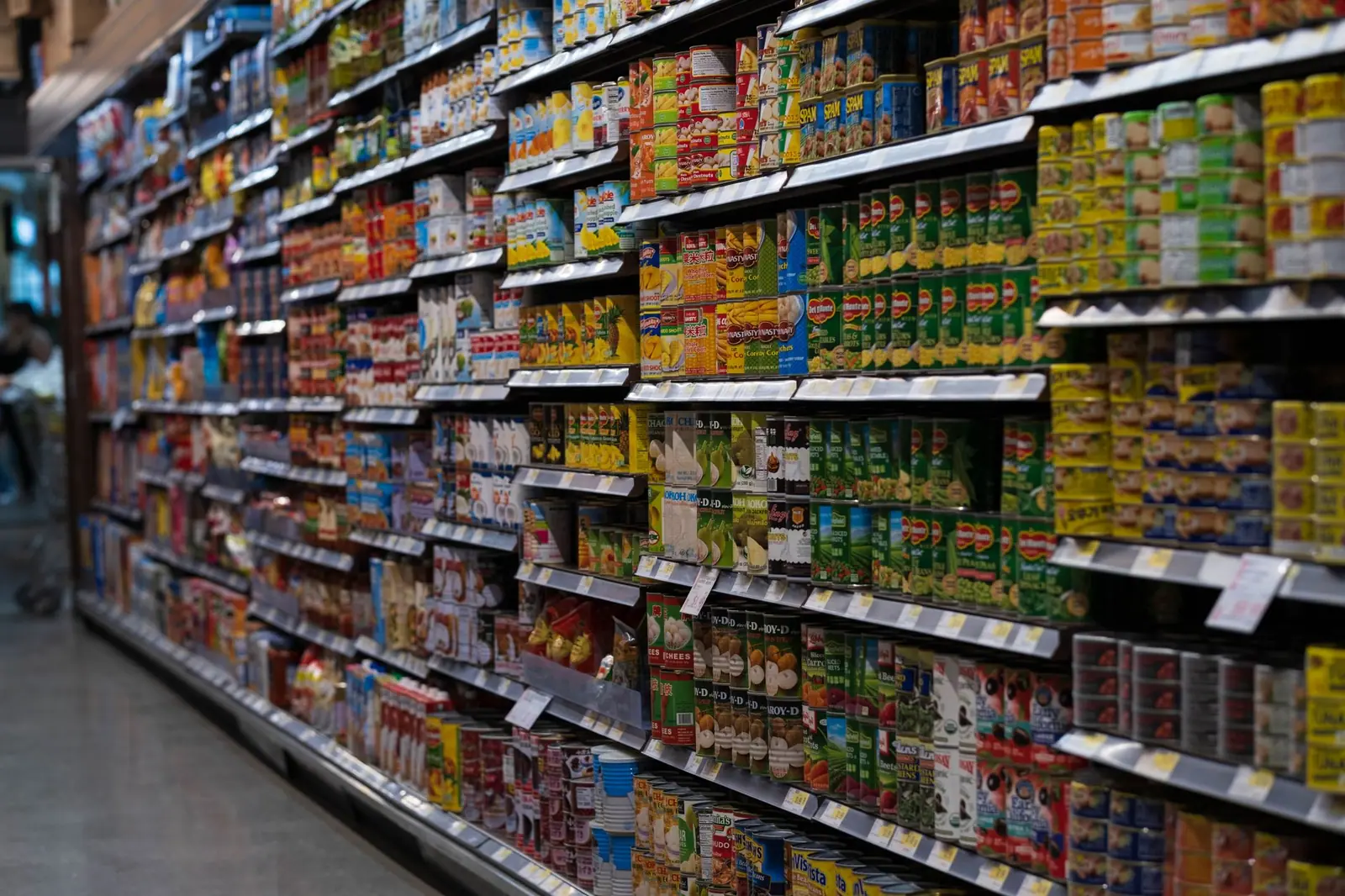
Bulgaria's annual inflation rate hit 5.6% in September, the second-highest in the EU, Eurostat said today. Retail prices in the country fell 0.1% from August.
The annual rate was 0.6 percentage points higher than in August, meaning goods and services cost more than they did a month earlier.
It was only the second time prices had fallen month-on-month since the start of 2026, after a 0.5% drop in June.
A day earlier, Bulgaria's National Statistical Institute had put out a flash estimate predicting a 0.3% monthly fall and 5.6% annual inflation for September 2026.
Only Lithuania had a higher annual rate, at 6.1%. Cyprus and Luxembourg came third, with prices up 5.2% on the year.
In the eurozone, annual inflation reached 3.8% in September, up from 3.2% in August — the highest since September 2023. Monthly inflation under the harmonised index rose from 0.4% to 0.6%. The eurozone figures from Eurostat are estimates.
Prices rose fastest over the month in Italy, up 2%, followed by Greece at 1.8%, then Luxembourg and Portugal at 1% each. Besides Bulgaria, prices fell in Malta (0.9%), Cyprus and France (0.4% each), and the Netherlands (0.1%).
Food prices in the eurozone rose faster too, with food inflation up from 1.1% to 1.4%. Core inflation rose from 2.4% to 2.5%, having stayed between 2.4% and 2.6% since May.
Higher energy costs remain the main driver of eurozone inflation, says ING economist Bert Colijn. In a note sent to BTA, he points out that Euro 95 petrol has never cost this much, even though oil prices are still below their 2022 peaks and this spring's highs.
The pickup in food and core inflation could be an early sign that higher energy costs are starting to spread into other prices. But Colijn says it's too soon to draw firm conclusions, since food inflation is still below its June level. High energy prices and signs of faster wage growth keep alive the risk of a second round of price rises.
Earlier this week, European Central Bank president Christine Lagarde sounded more cautious. But Colijn says September's higher inflation and the ongoing price pressure show the bank's work on bringing prices under control is not done yet.





Comments (0)
Все още няма коментари.