
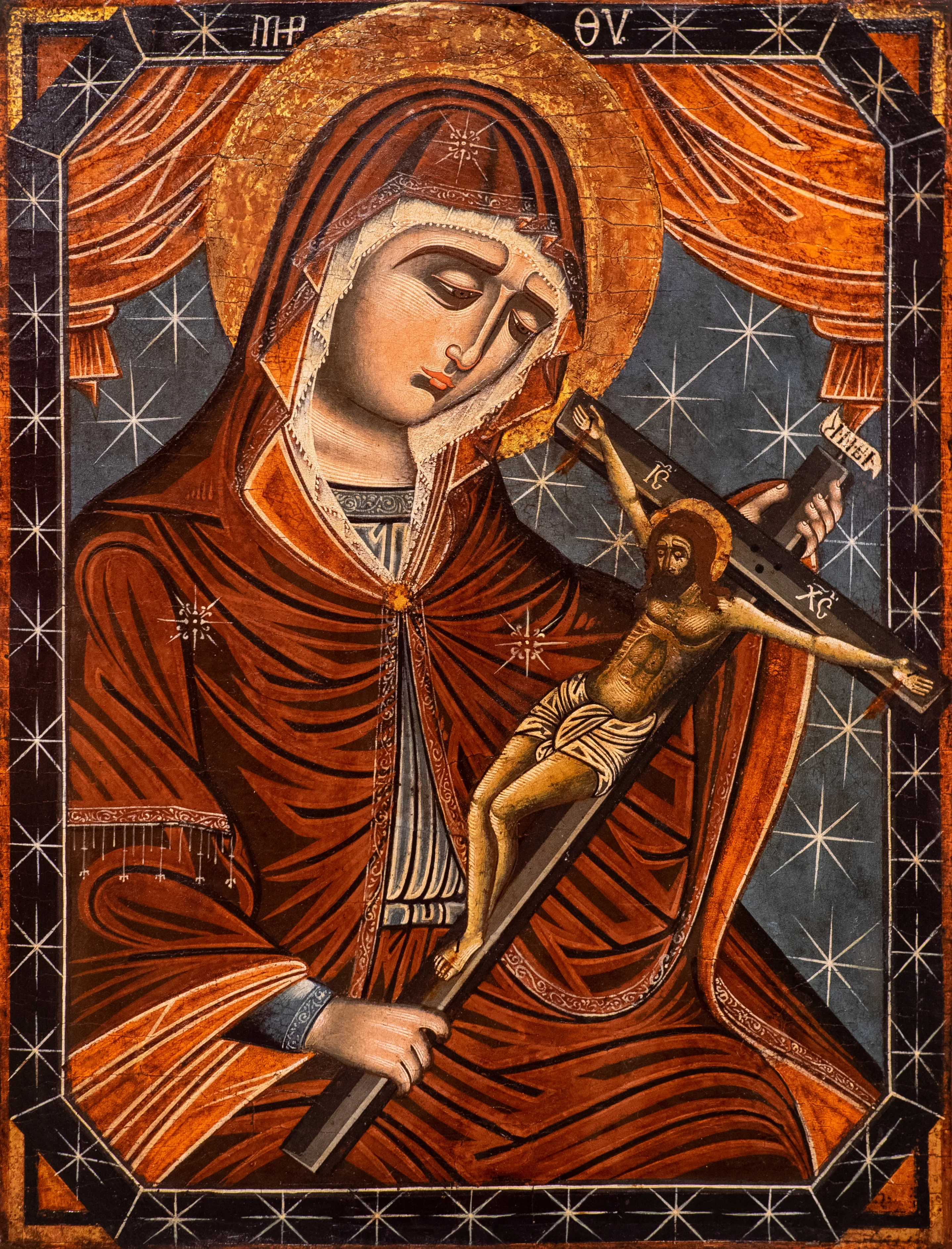
Preparation in Bulgaria for the Dormition of the Virgin Mary: Traditions and Unique Customs Across the Regions
On August 15, Orthodox Christians in Bulgaria honor the Dormition of the Most Holy Mother of God – one of the most important and revered holidays in the Christian calendar. Dedicated to the Mother of God, this day is not only religious but also deeply connected to Bulgarian cultural identity. In different parts of the country, preparations begin days in advance, with each region keeping its own distinctive traditions.
Historical and Spiritual Context
The Dormition of the Virgin Mary recalls the passing of the Holy Mother from earthly to heavenly life. In folk belief, the day symbolizes completion and a new beginning. In many Bulgarian towns and villages, churches bearing the name “St. Mary” celebrate their patronal feast, and liturgies bring together believers from near and far.
Regional Traditions and Customs
- The Rhodopes – Women bake ritual breads, blessed in church and distributed for health. Folk gatherings with songs and bagpipes are common.
- Dobruja – Families prepare fish dishes, as the holiday marks the end of the Dormition fast. Meals are shared with neighbors and relatives.
- Thrace – In villages near Stara Zagora and Plovdiv, processions go to chapels and holy springs considered miraculous.
- Northwestern Bulgaria – Believers visit monasteries, where sacrificial meals (kurban) are offered for health, followed by evening folk programs.
Reasons and Significance of the Preparations
Preparations have both spiritual and social meaning. They unite communities, keep old customs alive, and pass values between generations. The preceding fast is seen as a time of purification, and the shared meal as an act of unity.
Modern Expressions
Today, traditions blend with new forms of celebration. Some cities hold concerts, exhibitions, and charity events. In resort regions, the holiday also attracts tourists seeking an authentic Bulgarian cultural experience.
Conclusion
The Dormition of the Virgin Mary remains a holiday that transcends time – connecting past, present, and future. Whether celebrated in the quiet atmosphere of a monastery, in the village square, or at home with family, the day is a reminder of the power of faith and community.

Comments (11)
Абе празник, ама повечето млади изобщо не знаят за какво става въпрос 🤷♂️
Факт! Силна българска традициа е!
факт!
факт!
Леле, каков празник! Бабите пак ще правят супер вкусни пирошки!