
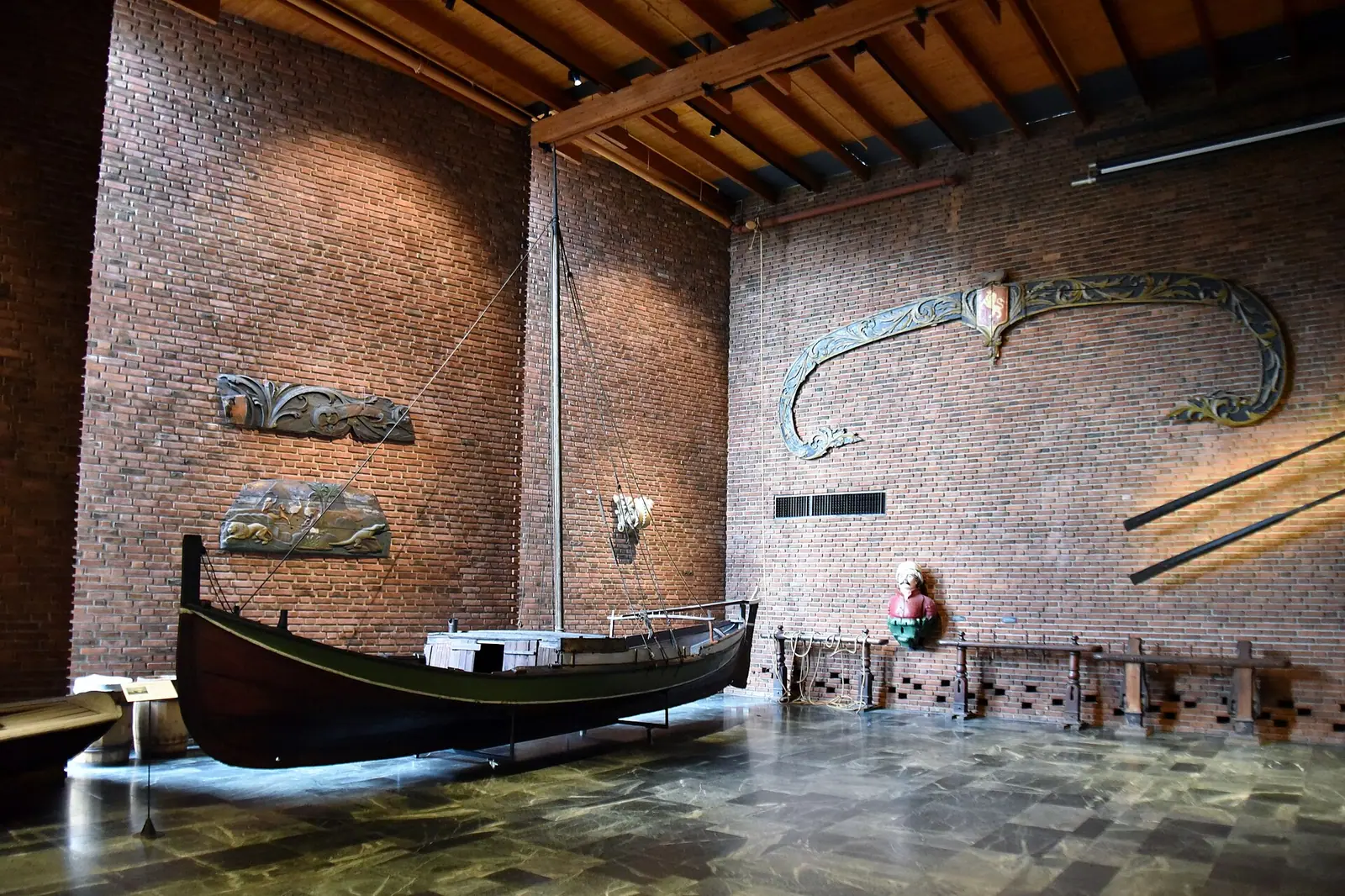
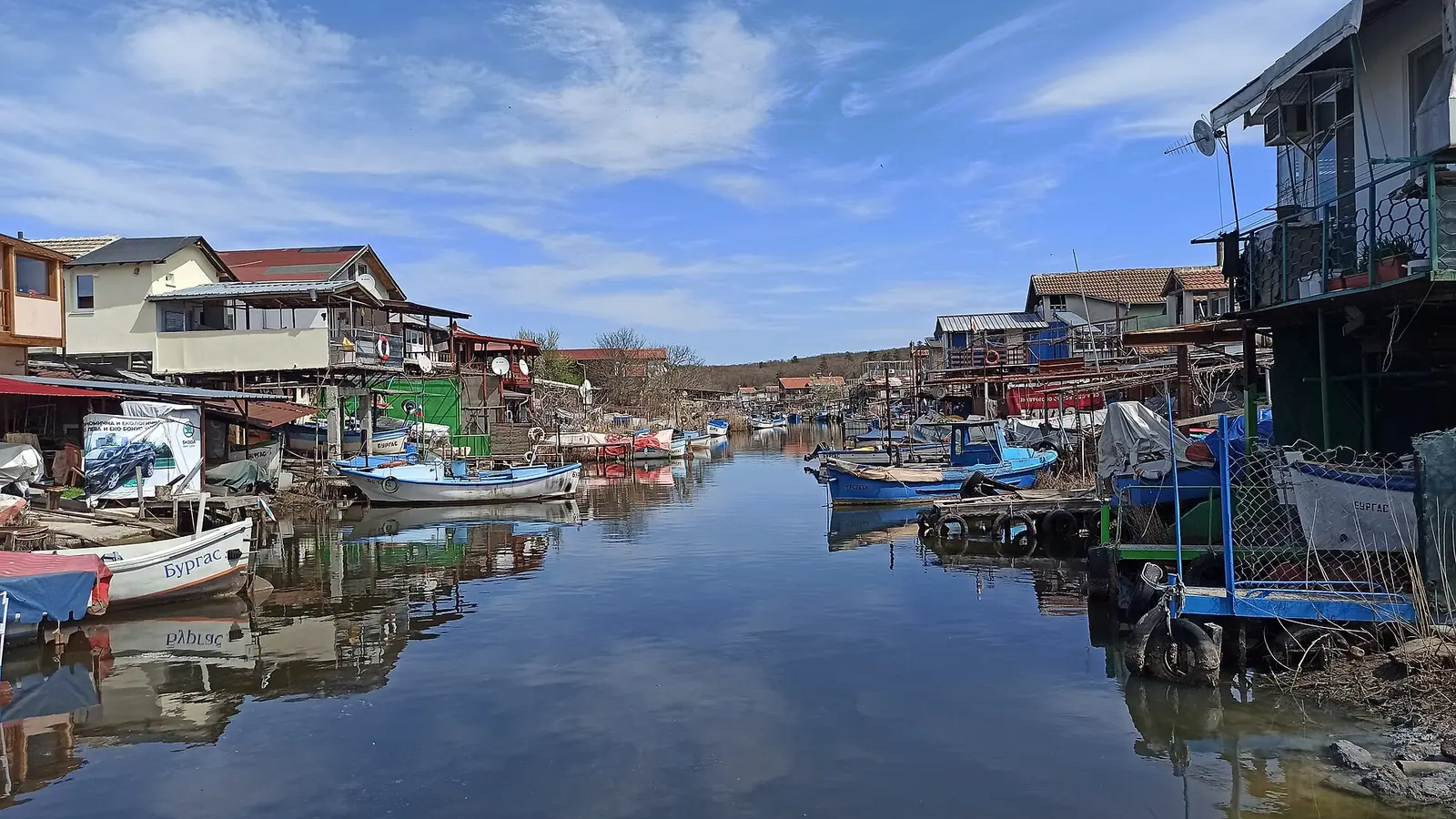
Living maritime heritage will be the focus of a significant international forum held under the auspices of UNESCO, which will take place in early September in Burgas. The conference, titled "Maritime Heritage and Fishing Traditions: Communities, Policies, and Sustainable Development," will be held on September 3 at the conference hall of the "Chengene Skele" Cultural and Tourist Complex and on September 4 at the Ethnographic Museum - Burgas, bringing together expert experience and cultural practices. The event is the result of a close partnership between the Municipality of Burgas, the Regional Centre for the Safeguarding of Intangible Cultural Heritage in South-Eastern Europe under the auspices of UNESCO, the "Burgas 2032" Foundation, and the Regional Historical Museum – Burgas.
The large-scale discussion will feature established scholars from the University Network for Intangible Cultural Heritage in South-Eastern Europe. They will be joined by representatives from leading museums and non-governmental organizations from a number of countries, including Bulgaria, Turkey, Slovenia, Romania, Croatia, Greece, Cyprus, Ukraine, and Italy. The main goal of the forum is to support the effective promotion and safeguarding of intangible cultural heritage closely linked to the sea and centuries-old fishing traditions, while simultaneously supporting the development of policies aligned with the 2003 UNESCO Convention.
Over the course of two days, delegates will discuss how living maritime heritage can be sustainably integrated into the cultural and tourism policies of modern coastal cities. An important emphasis in the discussions will be the context of the Municipality of Burgas's candidacy for European Capital of Culture. The program includes the presentation of in-depth studies on authentic fishing practices and knowledge, the interpretation of maritime heritage, and discussions that combine a scientific perspective with the experience of local communities and cultural institutions.
The main panels will focus on several key areas:
- Documentation and analysis of traditional fishing practices.
- New forms of presentation through museums, interpretation centers, exhibitions, and films.
- The link between intangible cultural heritage, marine resources, local economy, and modern urban policy.
The forum is aimed at developing concrete recommendations to weave living fishing traditions into the long-term development of Burgas as a modern cultural and maritime center. Through these efforts, the city aims to establish itself as a leading force in the safeguarding and promotion of intangible cultural heritage across the entire Black Sea region.
Forum Program
- September 3: "Chengene Skele" Cultural and Tourist Complex.
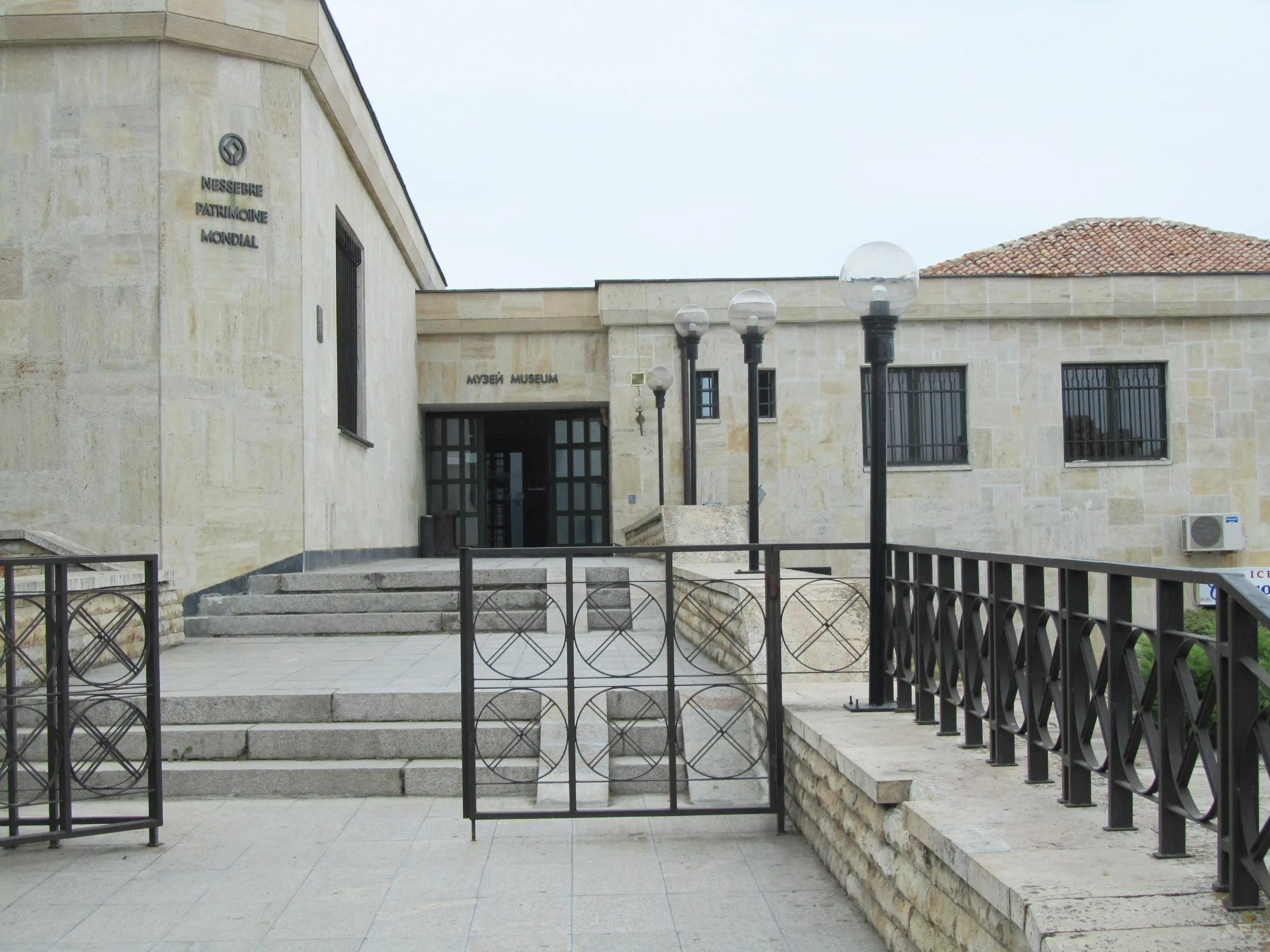
- September 4: Ethnographic Museum - Burgas.
Comments (3)
Рибарски традиции, а? Девет държави ли са? Сигурно имат доста риби да покажат, хаха. Интересно къде ще е форумът точно - в Ларго ли, че там винаги е глъчка. 😜
Девет държави… наистина ли? Дано поне имат качествени презентации.
Септември? Точно тогава мисля да си ходя на море! Ще се случи нещо готино явно