
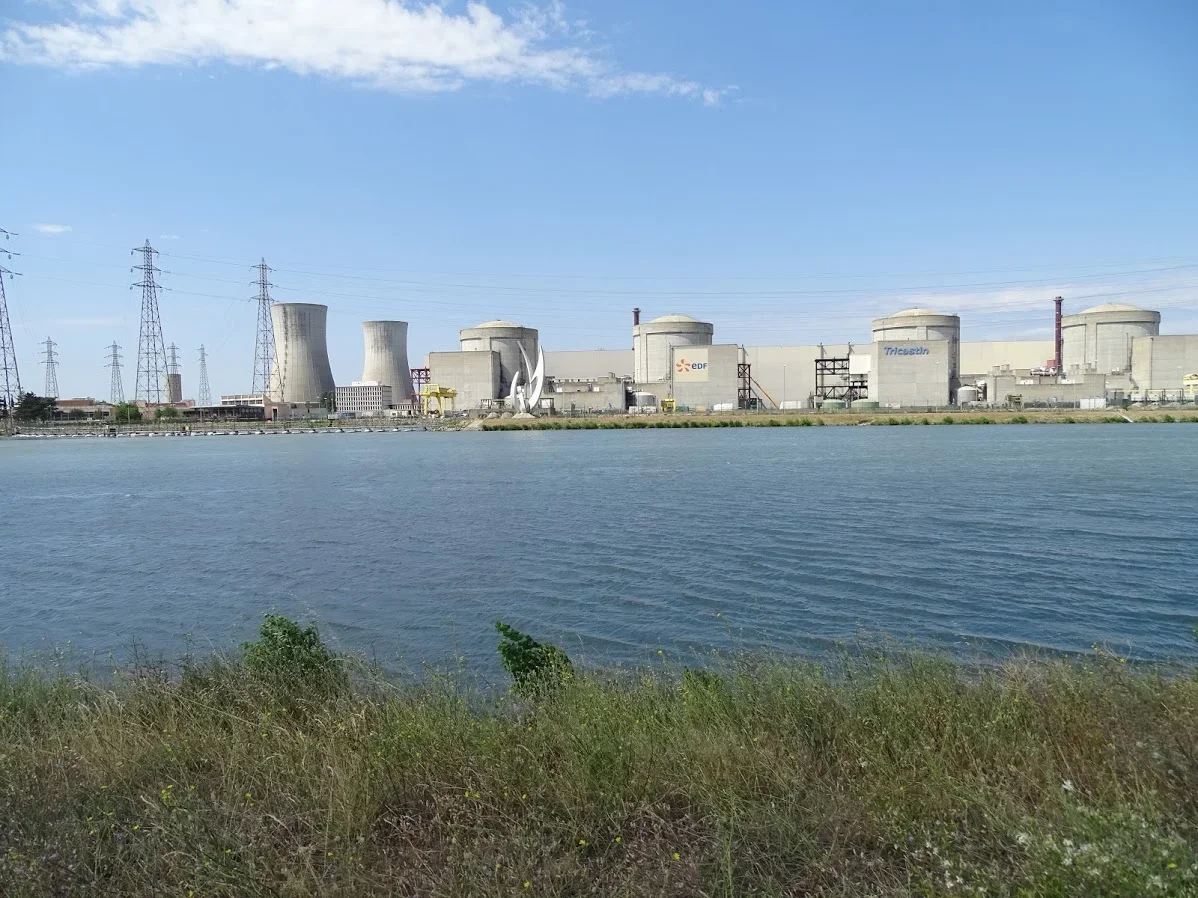
Hungary completely shut down its only nuclear power plant on Sunday – for the first time in its 44-year history. The record-low water flow of the Danube River deprived the plant of the ability to cool its reactors, against the backdrop of a deepening energy crisis in Central Europe.
Prime Minister Péter Magyar announced the shutdown on social media, warning that the country is about to experience "the most critical five days," as temperatures are expected to exceed 40°C in the coming days. The 2-gigawatt Paks NPP, which provides about 40 percent of Hungary's electricity production, was operating at just over 10 percent of its capacity before the last reactor was shut down.
The plant, located about 120 kilometers south of Budapest, uses water from the Danube to cool its four Soviet-era reactors. Prolonged droughts and heatwaves since May have led to unprecedentedly low river levels – in Budapest, the water dropped to 23 centimeters, significantly below the previous record of 33 centimeters recorded in 2018. In the Paks area, the level fell below the critical threshold of minus 134 centimeters, at which the plant is required to cease operations completely, and forecasts indicate a further drop to minus 144 centimeters.
"The power grid, utilities, and all of us will be under immense pressure," Magyar said in a video address. He warned that the plant could remain inactive for weeks, citing historical data – the Danube usually reaches its annual minimum in August or September, and the reactors need about a week to restart after the water volume is restored.
The government has introduced a series of emergency measures to deal with the shortage. Rail freight transport will be temporarily restricted during peak hours starting Monday, civil servants will switch to remote work three days a week, and decorative lighting on state buildings has been turned off. Major industrial consumers, including Samsung SDI, SK On Hungary, and Audi Hungaria, have voluntarily committed to reducing their consumption by between 400 and 500 megawatts.
Magyar stated that the government would decide on Sunday whether to introduce mandatory electricity consumption restrictions for large companies starting Monday, with households remaining "last on the list for restrictions." According to an estimate by Tisza party deputy chairman Márk Radnai, the crisis could cost Hungary between 100 and 200 billion forints (between 315 and 630 million dollars) in increased electricity import costs.
The situation is not an isolated incident. On Friday, Romania declared a state of emergency in the energy sector following a drop in production at its own Cernavodă nuclear power plant, and over 100 Hungarian towns and villages are already subject to water usage restrictions. Slovak Prime Minister Robert Fico offered assistance, describing the situation as an "unprecedented energy crisis."
Magyar, who took office less than four months ago after a landslide victory over Viktor Orbán in the elections, described the crisis partly as a result of years of infrastructure neglect during Orbán's 16-year rule – including delayed modernization of the plant's cooling system and the long-stalled expansion of the Paks II project. "We inherited a fragile, expensive, and vulnerable system," he said. "Now we must simultaneously maintain it, protect it, and rebuild it from the ground up."
Коментари (12)
Ама че работа… пак някакви проблеми… Трябва да гледаме напред
Ама хайде сега, наистина ли?! Спряли реактора? Честно казано, кво да кажа… Унгария винаги е била малко... особен случай. Аман от тоя Орбан и неговите играчки с Русия! Да не би после пак да винят Путин за ниското ниво на Дунава?! 🤦♀️ Ние си гледаме тука, строимо еврофондове, усвоява
Пич, тва вече майтап ли е?! Спряли АЕЦ?! 44 години работила и сега заради Дунава? Сериозно, кво става с тоя свят бе?! Орбан сигурно пак ще намери начин да обвини някой друг, деба! Честно казано, не мога да разбера как може държава да си играе с енергийната си сигурност. Да
Браво, Унгария, ама не е добре! 🤦♂️ 44 години работа и сега заради реката? Абе тоя Дунав сякаш се опитва да ни покаже к'ви са проблемите. Иначе ясно - Орбан си търси оправ
Абе, хора, да ви кажа, къркороса ми таз новина! Честна дума! Спряли АЕЦ, бе! 44 години работа, а сега Дунавчо решил да им скапе всичко? Тоя Дунав все ни създава проблеми, ама направо е абсурдно.