
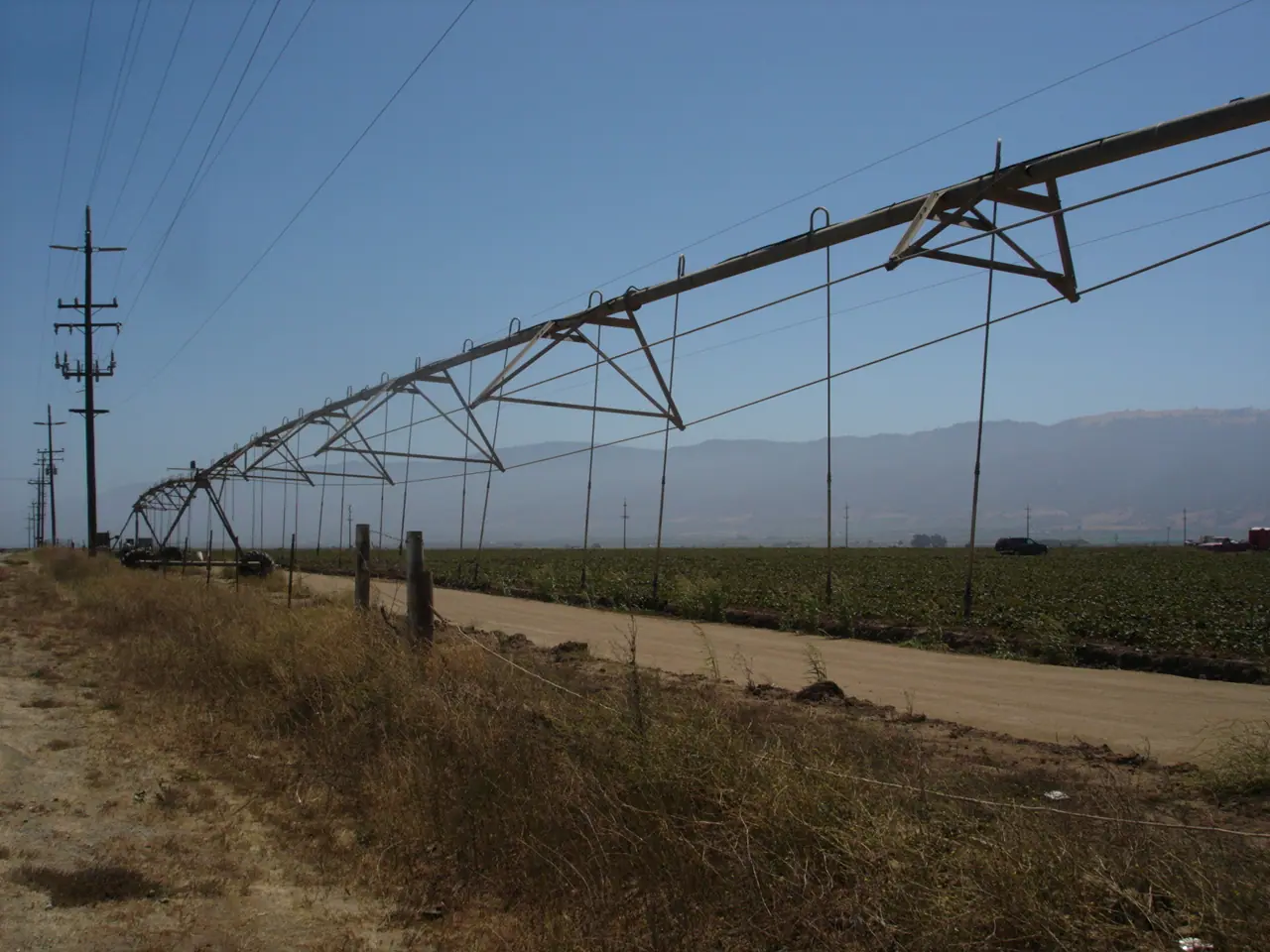
Scientists, experts, business people and officials from Bulgaria, Turkey, Greece and Georgia met in Burgas today, 16 October, to discuss how farms can grow more food with less water. The congress was held at the Flora Exhibition Centre and focused on the future of farming and irrigation in Burgas region. See our original report: Experts from four countries to discuss water saving in farming at Burgas congress.
This report follows our story of 12 October, which said experts from four countries would discuss in Burgas how to save water in farming.
The forum is called "National Approaches to Water and Food Security". It is part of the GwB project, "Decision Support System for Global Water Balance".
Partners from the Black Sea region are working on a more accurate way to measure the water balance. They are also looking for ways to manage water, mainly in farming and irrigation. The aim is to make better use of the water available and to prepare farms for growing climate risks.
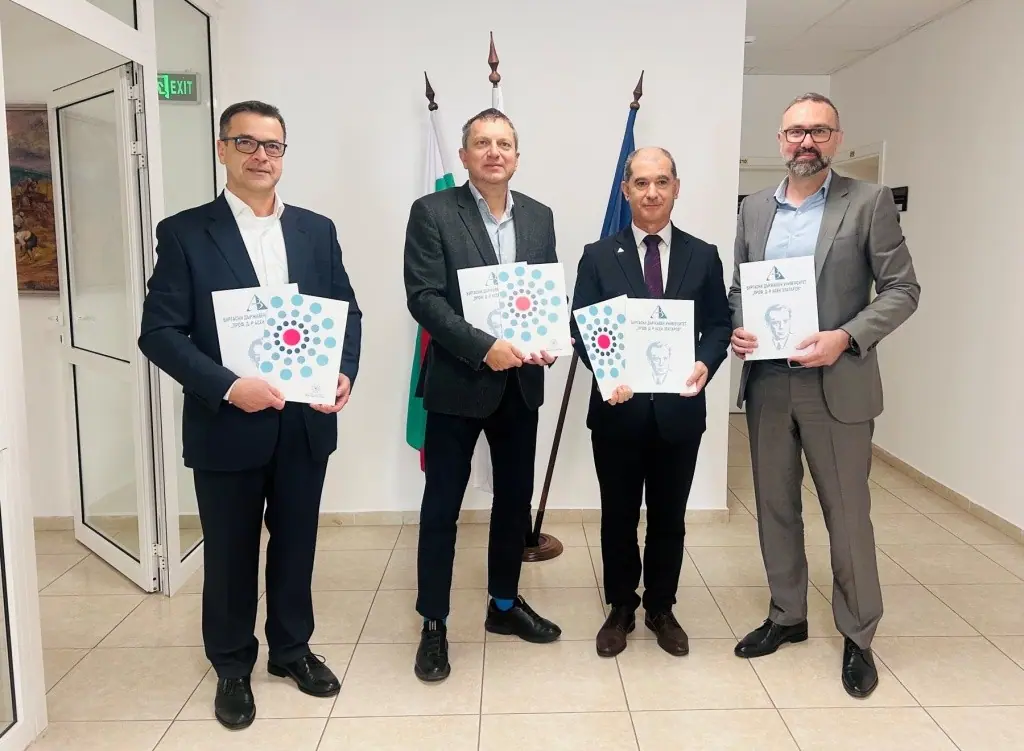
Academics, water management and irrigation specialists, business people and officials linked to farming came to the congress. Official guests included Iliyan Yanchev, mayor of Malko Tarnovo, Hatidzhe Osman and Mehmed Hamid, deputy mayors of Ruen, and Nurten Osmanova, chair of Ruen municipal council. Mayors and deputy mayors from other municipalities in Burgas region also attended.
The main question was how to have enough water for lasting food production as the climate changes, droughts spread and pressure on natural resources grows, without a drop in yields or quality.
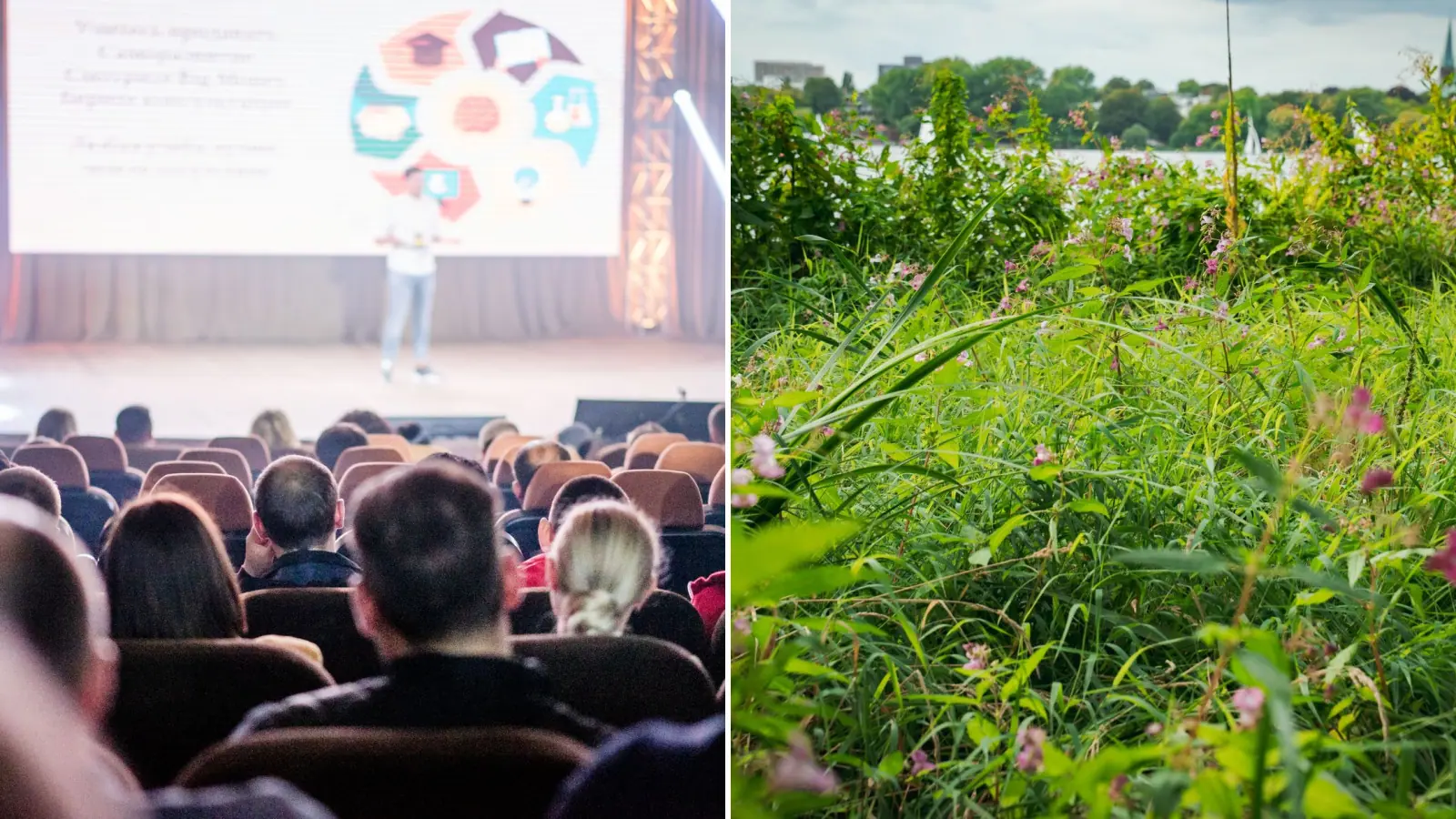
Speakers talked about modern ways to monitor and manage water, getting more crop from each drop, and better planning of irrigation. They also discussed water shortages and the effects of climate change in the four countries.
The talks showed that research must be more closely tied to what farmers actually need. The organisers say the new tools for measuring the water balance are a step towards better-informed decisions and wiser use of water on farms.
They call water the key resource for farming. How it is managed, they say, will decide whether the sector can keep supplying food as the climate changes. The organisers see cooperation between scientists and farmers as a condition for lasting solutions that serve Bulgaria and the Black Sea region.
The project is funded under the Interreg NEXT "Black Sea Basin 2021–2027" programme.
Comments (0)
No comments yet.