
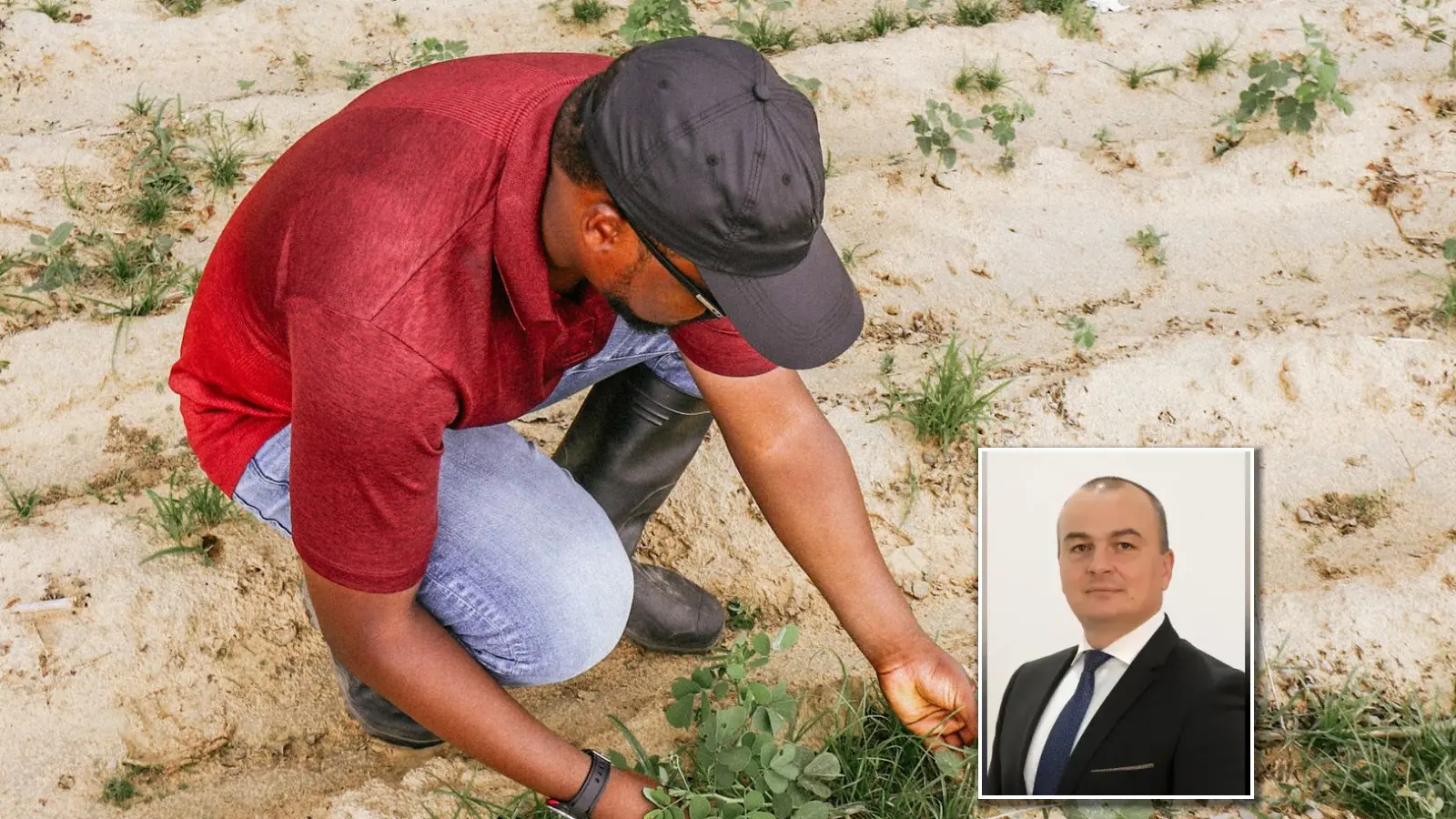
Farmers, livestock breeders and beekeepers who lose at least 30% of their average yearly output to disasters, drought or disease will be able to get aid. A draft ordinance published by the Ministry of Agriculture and Food for public consultation sets this out.
Comments on the draft and its accompanying report are accepted until 28 October 2026 inclusive.
The ordinance sets the terms and rules for intervention II.I.3 "Payments to farmers in crises" under the Strategic Plan for the Development of Agriculture and Rural Areas 2023–2027. The draft describes who can apply, how recognised events and the affected land, animals and bee colonies are established, how applications are filed and reviewed, how they are checked, and how the money is paid out.
The aid is for active farmers in crop growing, livestock farming and beekeeping. It covers losses from recognised natural disasters, bad weather, catastrophic events, plant diseases and pests, as well as from the measures the authorities take to contain animal diseases.
In the first year, payments will cover events from 2025 and 2026 that an authority recognised by 1 September 2026 at the latest.
Drought and the damage it does to farmland and animals are recognised events. So are seven contagious diseases: sheep and goat pox, highly pathogenic avian influenza, brucellosis in cattle, salmonella in poultry, bluetongue in sheep, African swine fever and American foulbrood in bees.
For 2026, the draft also recognises frost, hail, storms or heavy rain, and floods or long-term waterlogging of the soil. Catastrophic events include damage from the black jewel beetle pest in perennial plantings and from phytoplasma in vineyards.
Farmers will file applications with a qualified electronic signature, as the Law on Support for Agricultural Producers requires. The State Fund "Agriculture" will establish the affected land, animals and bee colonies. For natural disasters and bad weather, the fund will rely on survey reports from the regional "Agriculture" directorates. For contagious animal diseases and catastrophic events, it will use data from the Bulgarian Food Safety Agency (BFSA).
For 2025 damage, the fund will use the data it already holds from the 2025 campaign. Eligible land will be land that meets the conditions for basic income support for sustainability. Eligible animals will be those that meet the conditions for direct payments and are kept at livestock sites within the defined territory.
The ministry says the approach is meant to cut paperwork for farmers and make good use of information from the authorities.
In August, agriculture and food minister Plamen Abrovski announced extra financial support for farmers hit by natural disasters.


Comments (1)
2026? тц, неща много бавят НЕЩАТА!