
Risks to Black Sea shipping could make life in Bulgaria even more expensive, and the EU's next long-term budget should make room for the region, European Economic and Social Committee (EESC) president Séamus Boland told BTA.
Boland spoke to BTA in Brussels at the start of the EESC's two-day October session. He discussed attacks on merchant ships in the Black Sea, higher war-risk insurance, and the clash between defence and social spending. He also covered the EU's goal of ending poverty by 2050, artificial intelligence and jobs, and the role of civil society in EU policy.
The proposal to make room for the region in the next multi-year financial framework comes from Ionut Sibian, vice-president of the EESC's external relations section. Sibian presented it at a conference in Varna, organised jointly by the committee and Bulgaria's Economic and Social Council.
Boland backs it "one hundred percent". He knows Sibian very well and called him an excellent colleague and one of the deepest thinkers on the committee.
Boland says the Black Sea is a vital strategic resource and a key part of Europe's infrastructure. It matters to the whole EU and to the countries in the region. If the EU loses its link to the sea, it will lose access to those resources, he says, and a weaker presence there will hurt the whole bloc.
"If we let this region become more vulnerable, in practice we make the whole European Union more vulnerable," Boland told BTA.
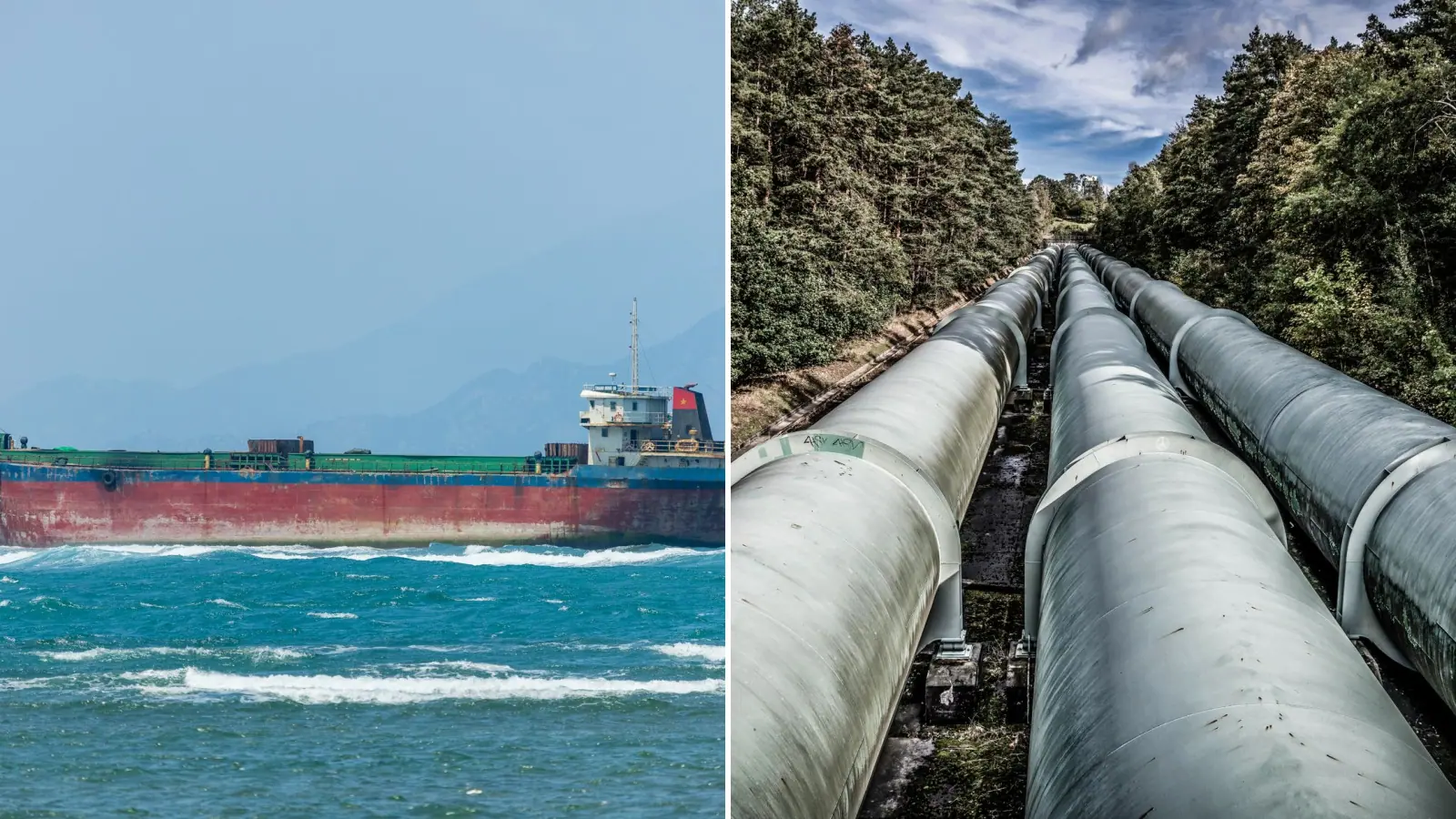
Merchant ships were recently attacked in the Black Sea, and war-risk insurance premiums jumped. Costlier transport could hit trade, energy supplies and consumer prices in Bulgaria and Romania. Boland says disruption to sea transport quickly raises costs for firms, consumers and households.
"In Bulgaria, problems with sea transport could have a particularly strong effect on the cost of living and make daily life seriously harder for families," he said.
He says problems in the Strait of Hormuz are already pushing prices up, and the cost of basic necessities could rise by 20–25%. That could increase poverty next year.
Sea routes, production chains and supplies are changing, being cut off and sometimes abandoned, Boland said. He called this part of a wider geopolitical shift.
The EU must act in a more united way and back the countries that are hit, including Bulgaria, he says. Bulgaria is an EU member, and all members share a duty to support each other.
Europe is building up its resilience and strategic independence because it can no longer count on outside powers to help, Boland said. The continent is also under pressure to spend more on defence, strengthen its industry and cut its strategic dependencies. At the same time, it wants to keep its social model and limit poverty.
Boland says social stability is part of good defence. Defence spending cannot be seen apart from social cohesion, so money is needed for social protection too.
There is strong social discontent in France, Italy and other countries, and it appears to be spreading across Europe, he said. The causes are poverty and rising living costs. These stem from the geopolitical conflict involving Iran and other events that push up energy prices.
The EU has set itself the goal of ending poverty by 2050, and some of its targets for cutting poverty fall due in 2030. Boland says the EU is not on track to meet them for now. Costly energy could push it further off course.
About 93 million people in the EU are at risk of poverty or social exclusion. Boland called the situation an emergency and called for immediate action. There is a real danger that the number of people affected will grow sharply, he warned.
He believes, however, that the EU is probably among the best places in the world to live when it comes to social protection. He compared it with poverty in the US and in developing countries, where absolute poverty is widespread.
The EESC is organising a high-level debate on ending poverty by 2050. The committee has also issued many opinions with proposals on funding, tax policy, jobs, and more innovative and better-paid work.
Boland wants more support for civil society groups that fight poverty. These include groups for people with disabilities, groups that provide food for people in need, and groups that help families with housing problems. He says they often find new and practical solutions. Families that struggle to cover rising costs should be the priority.
On 20 October, Bulgarian MEPs asked the European Parliament for action against Russian attacks on merchant ships in the Black Sea. Elena Yoncheva proposed that the European Commission set up a fund for the ports of Varna, Burgas and Constanta, to pay for safety measures and spare equipment.
Work is among the most effective routes out of poverty, but it is not enough on its own, Boland said. Pay must keep up with rising living costs.
Comments (0)
No comments yet.