

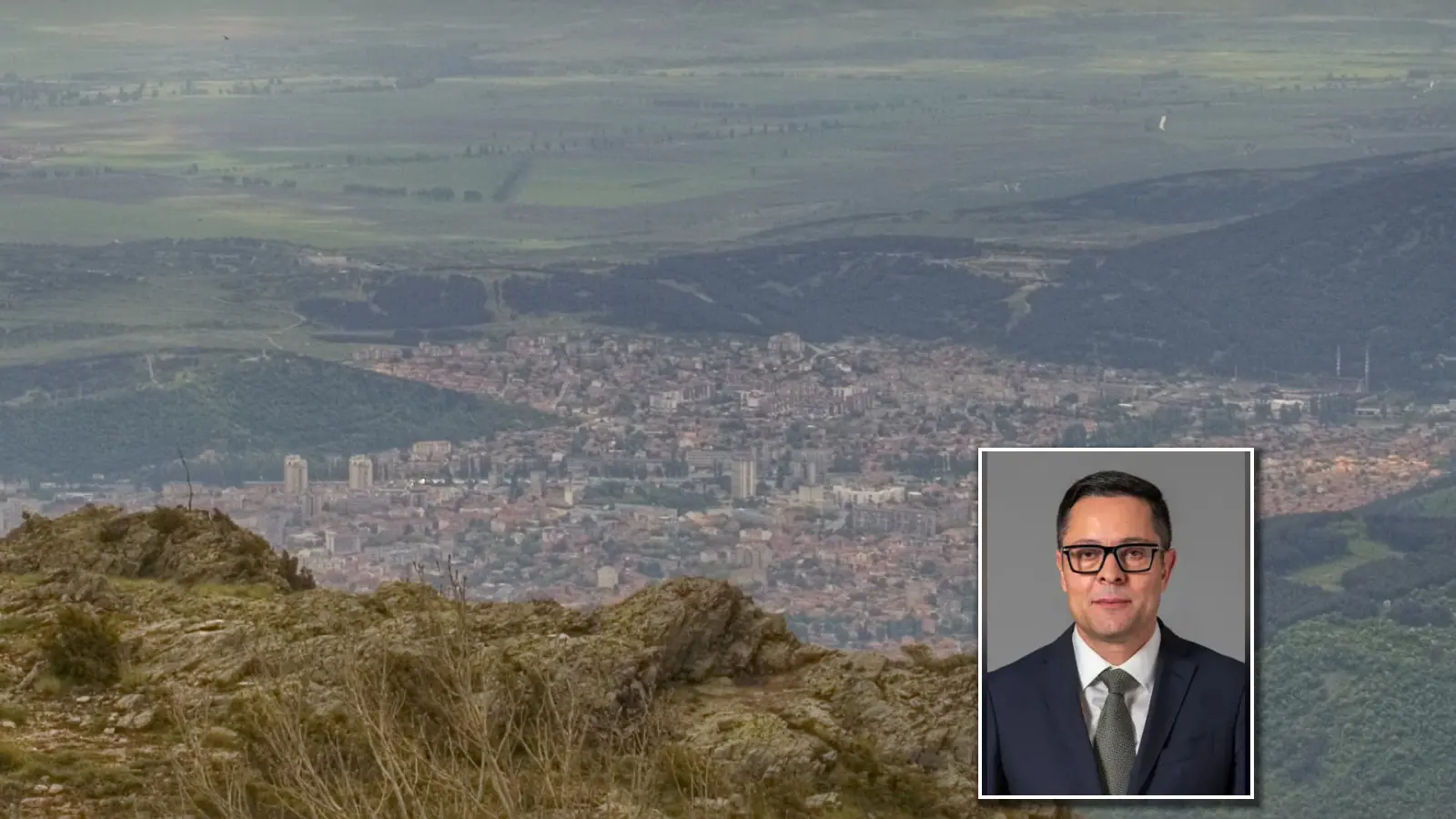
Economy minister Alexander Pulev said Sliven has a place at the heart of Bulgaria's new economic policy. He made the comment during a visit to the city. In his words, Sliven must not be left on the edge of change. He announced new financing tools for small and medium-sized firms through the Bulgarian Development Bank (BDB) and the Fund of Funds, including a fund for southern Bulgaria.
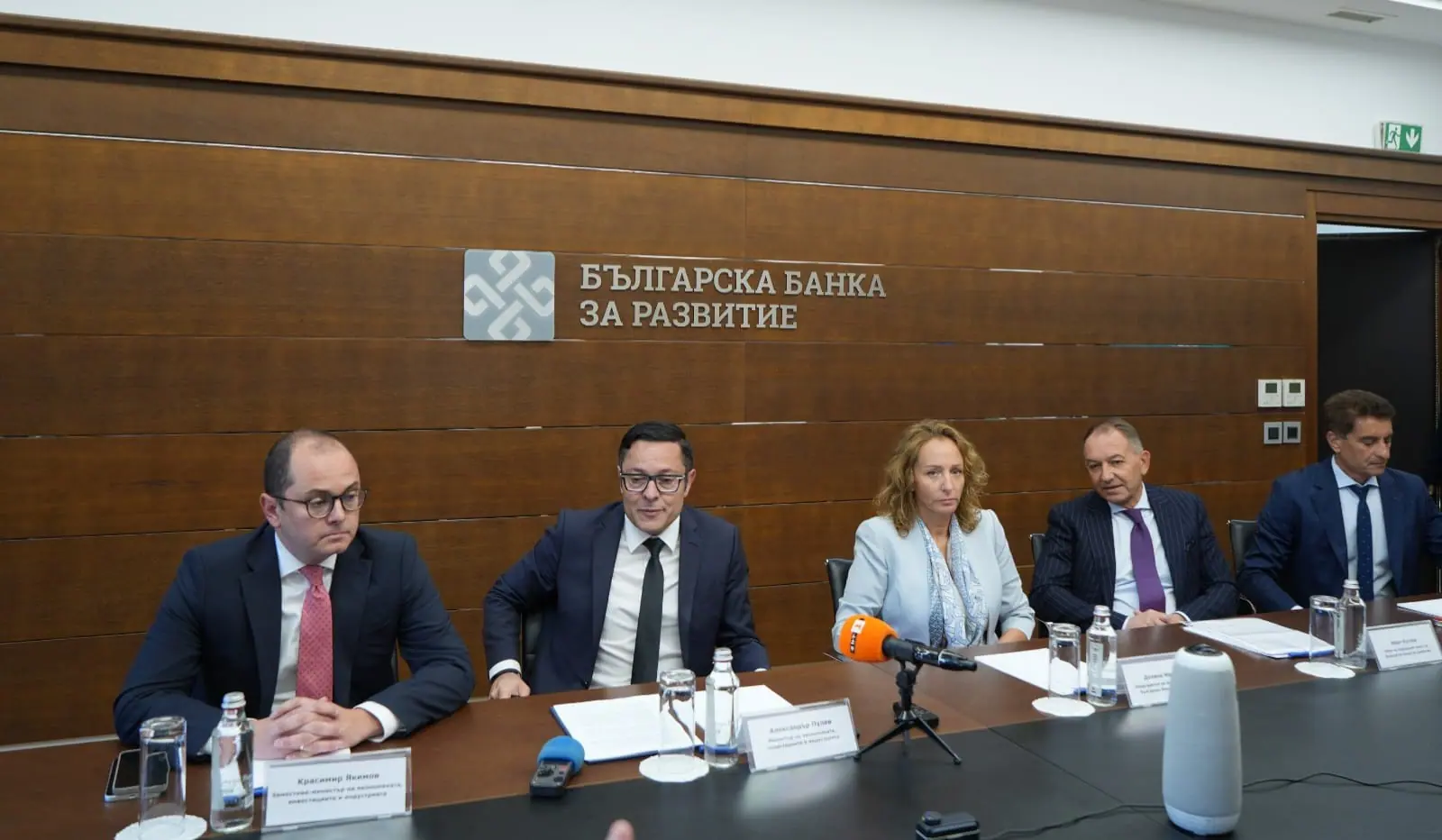
Pulev met business owners and local authorities. Deputy ministers and MPs from the region also attended. The talks covered how geopolitics affects the energy system and the economy. The minister said the Kapitan Andreevo border crossing is about 100 km from Sliven, and the port of Burgas is almost the same distance.
The BDB is developing new tools for small and medium-sized firms, including financing for farm co-operatives. The aim is to give Bulgarian and imported goods equal terms in retail chains.
The Fund of Funds also includes a regional development fund, whose money is set aside for southern Bulgaria. The money can go to energy efficiency and to health, social and cultural infrastructure. It can be used on its own or together with municipal and state projects.
The first programme of its kind to put EU money into industrial zones was Pulev's work when he was caretaker innovation minister in Galab Donev's cabinet. One of the economic zones in Sliven uses the programme.
The government has bet on faster economic growth, and that needs steady talks with industry, the minister explained. This is why ministers are touring the country. "We are not afraid to look business in the eye and gather feedback," Pulev said.
The business delegations he led to China and Indonesia always included small, medium and large firms. With prime minister Rumen Radev he has visited Poland, Brussels, Germany and France. Pulev said the message from these trips is that Bulgaria should take an active part in shaping European policy instead of staying on the EU's edge.
The minister believes the short-term effects of geopolitical shocks, such as price pressure and inflation, will sooner or later fade. In the long run, he said, value chains and transport and logistics links are being redrawn.
Pulev said the war in Ukraine has blocked the so-called Northern Corridor. As a result, a large share of goods travels along the Trans-Caspian route, also called the Middle Corridor, and Kapitan Andreevo is busier. The minister said traffic at the crossing sometimes tops that at the border point between Tijuana and the US.
Pulev called on business to hold more intense talks with the government. "The future is now. Let's start an even more intense dialogue from today," he said.
He is due to travel to Washington, where the defence industry will be on the agenda.

Comments (1)
сливен ли ще стане център? наистина ли?!