
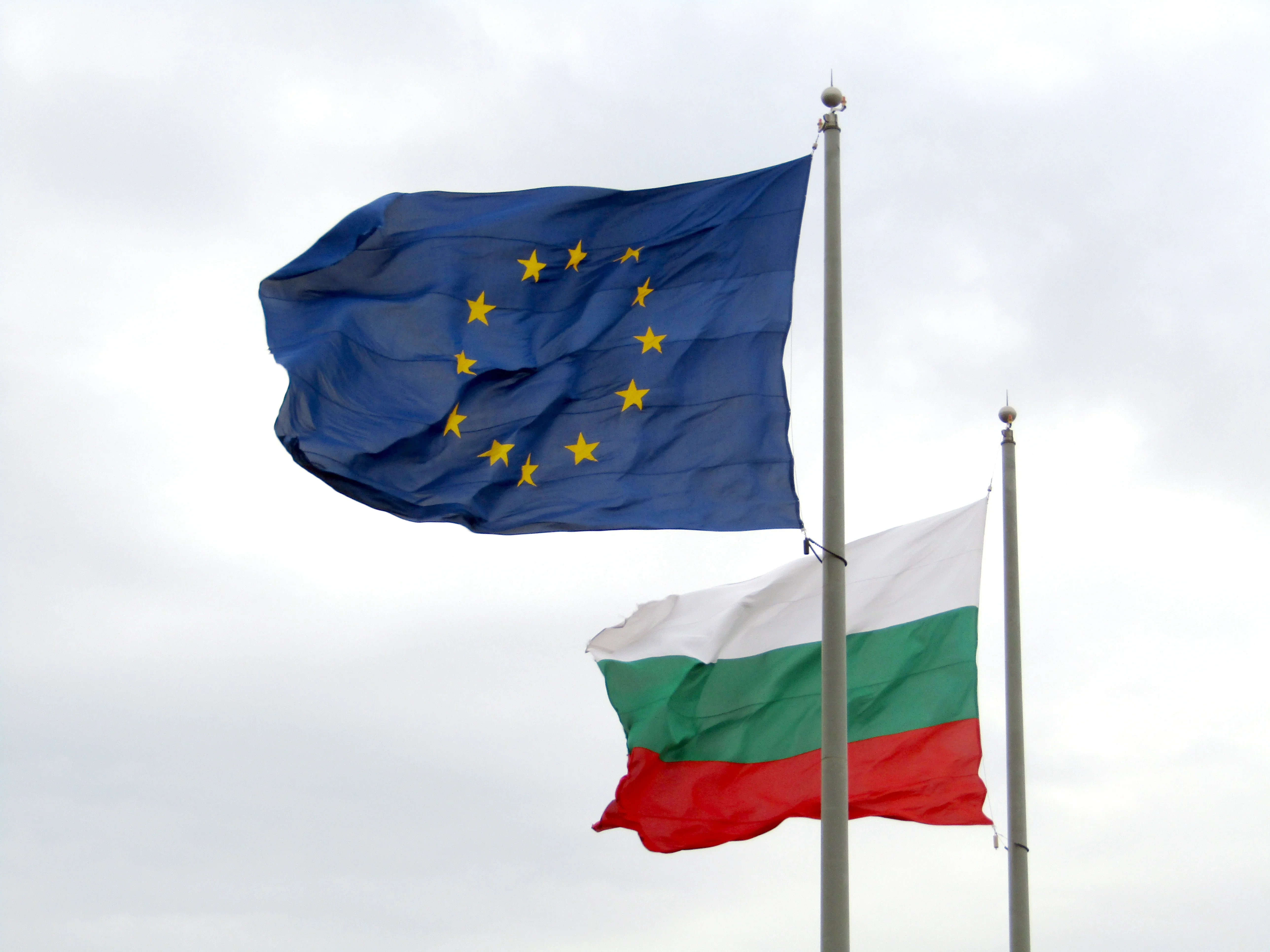
So far Bulgaria has received €3 billion, with a total of €6.27 billion in grants and up to €4.5 billion in loans available until 2026. Access depends on reforms in energy, digital administration, judiciary, education, and healthcare.
Economic Dimensions
- Infrastructure: Railways and highways are prioritized for EU connectivity.
- Energy: Investments push towards renewables and decarbonization, raising tensions in coal regions.
- Business climate: Digital transformation support for SMEs could raise productivity and exports.
Social Sphere
- Healthcare: Hospital upgrades and electronic health records.
- Education: Digital and language skills programs aligned with European recommendations.
- Labor market: Green and digital jobs – with risk of regional inequality.
Scenarios
Realistic: 60–65% of funds absorbed, infrastructure/energy move forward, judiciary lags. GDP gains extra +1.2–1.5%.
Optimistic: Strong reforms push absorption above 75%, unlocking investment and +2% GDP boost.
Pessimistic: Political deadlock reduces absorption below 50%, risks freezing EU transfers.
Conclusion
2025 will test Bulgaria’s institutional capacity. EU funds can be a catalyst for modernization only if reforms are implemented beyond paper commitments.
Disclaimer: This article is an analytical review by BurgasMedia. Conclusions are hypothetical, not forecasts. The editorial assumes no liability for differences and urges readers to rely on verified sources.


Коментари (9)
Абе моля те, ЕС ни краде парите!!
Пореднната измама, парите ще отидат в джобовете на политическите олигарси!
поредната окупация чрез евро-парички! русия ще ни спаси!
накрая българия може да тръгне напред, не назад! европа е на6ето бъдеще! 😁
4 милиарда евро - шанс за модернизация, който не бива да пропускаме!