
MPs have backed new crisis rules for product safety on first reading. The changes to the law on technical requirements for products aim to get needed goods to market faster during a crisis. 137 MPs voted for the bill, 14 abstained and none voted against. A second reading is still to come.
This report follows our earlier story on the approval of the text by the economic committee of the National Assembly. The committee backed it on first reading with 12 votes in favour and 6 abstentions, with no votes against.
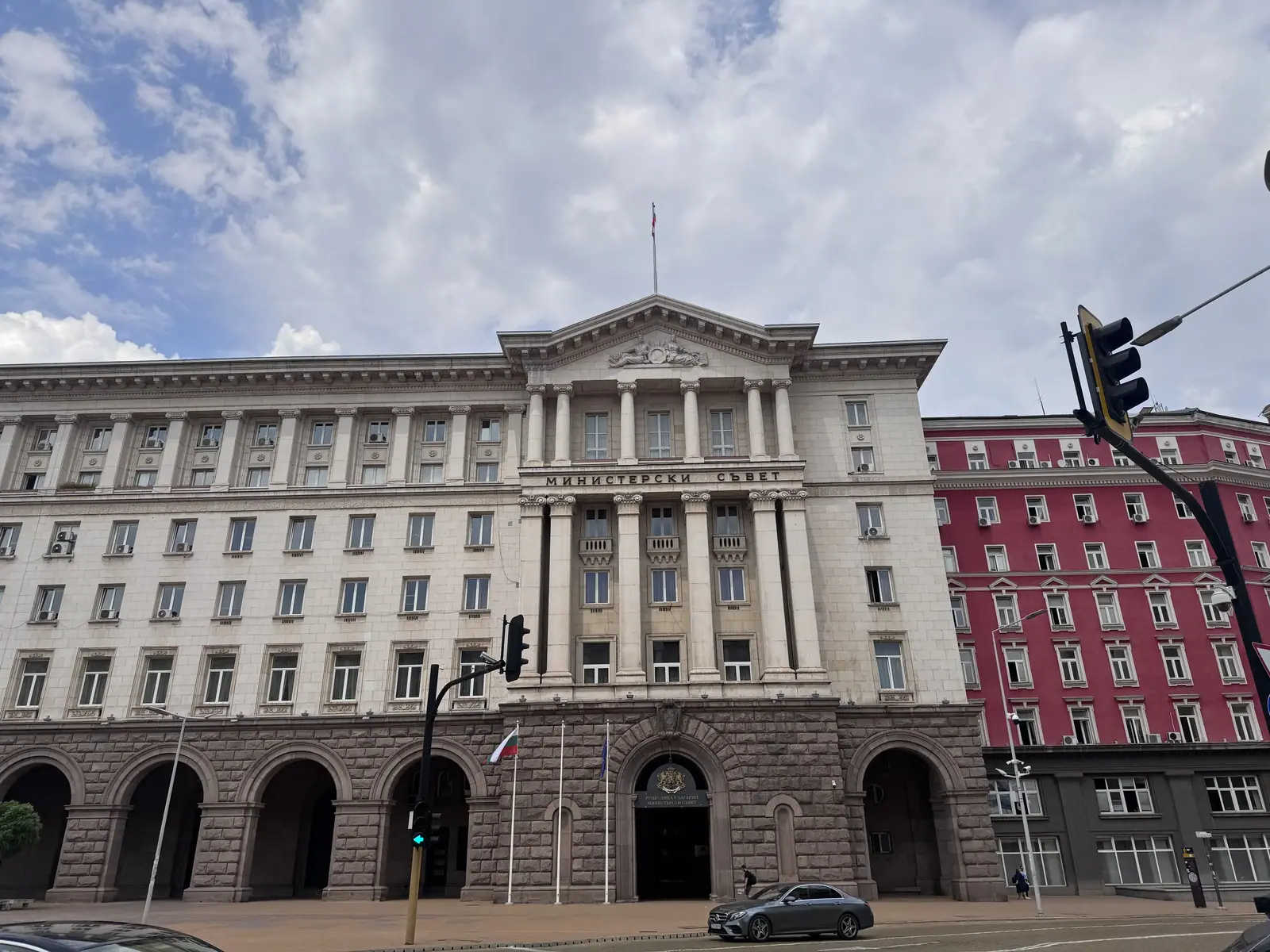
The Council of Ministers submitted the bill. Deputy economy, investment and industry minister Krasimir Yakimov presented it in the chamber. He said the rules build on the experience of the COVID-19 crisis and the shortage of face masks at the time.
The bill brings Directive (EU) 2024/2749 into Bulgarian law and also puts Regulation (EU) 2024/2748 into effect. The two EU acts change 15 directives and regulations that Bulgaria adopted through this same law.
The new rules will apply to machinery, lifts, gas appliances, cableway installations, electrical equipment and radio equipment. They also cover equipment and protective systems for use in potentially explosive atmospheres, transportable pressure equipment, pressure equipment and vessels, electromagnetic compatibility of equipment, personal protective equipment and construction products.
The emergency rules start with a European Commission act, which also lists exactly which products fall under them.
In a crisis, the responsible authorities will be able to allow products needed to deal with it onto the market. Companies must provide technical documents that prove the product meets the requirements.
The permits will be valid only in the country that issued them. The exception is if other EU states recognise them, or if the European Commission extends them to the whole bloc by an act.
The changes also require tighter market checks on products sold under the emergency procedure, to ensure the needed level of safety for consumers.



Comments (1)
137 гласа "за"... наистина ли? Ама не е малко, а? Не че очаквах да има много противници, разбира се, ама все пак. Интересно дали някой си е направил труда да провери как точно ще работи това на практика, когато реално ни връхлети криза. Защото звучи добре на теория - "по-бърз достъп до пазара", но после се оказва, че нещо не е както трябва и пак сме с вързан крак.