
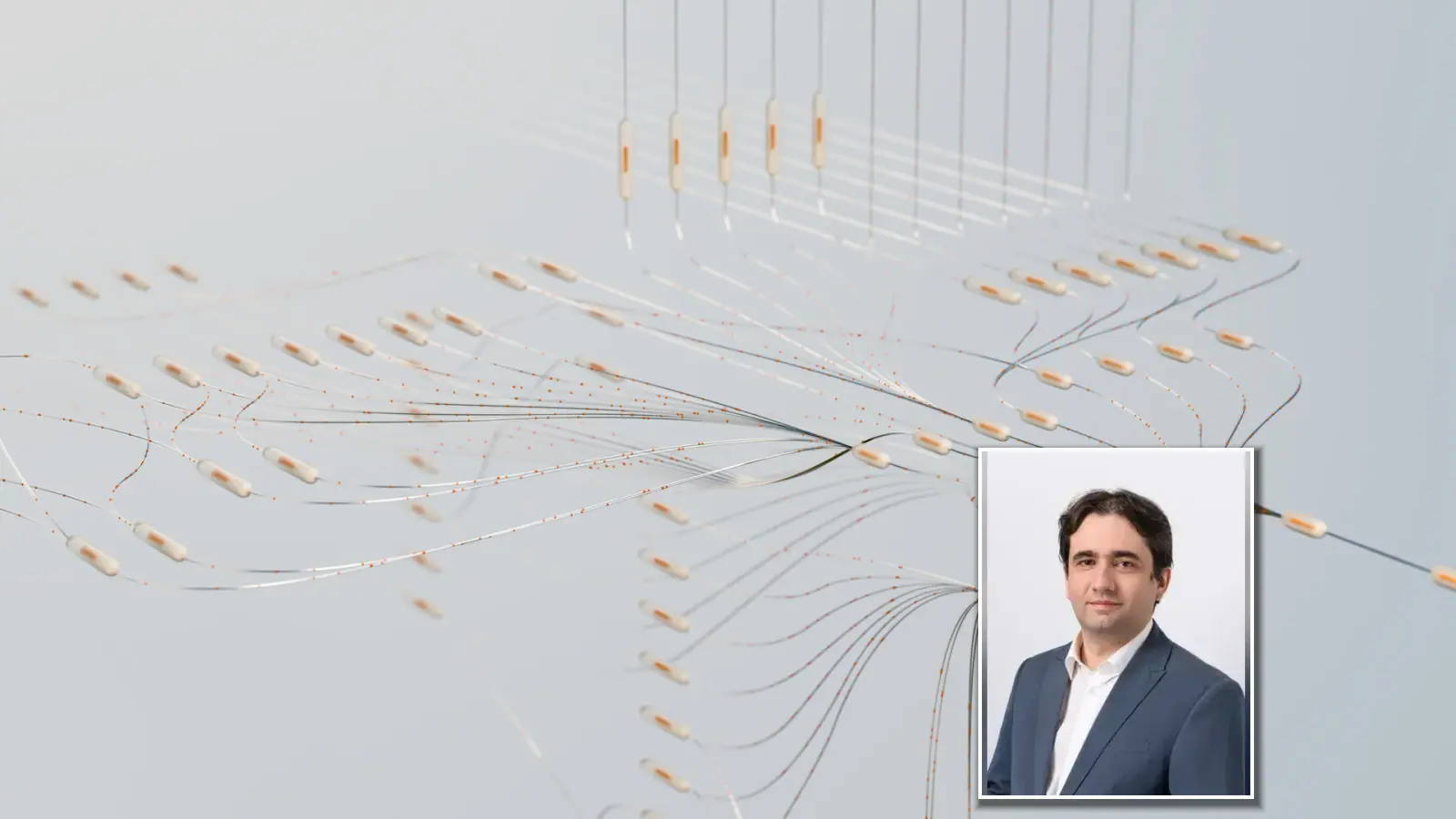
Bulgaria's parliament has passed in a first reading, with no votes against, a bill to use artificial intelligence to flag suspect decisions by the disability medical panels known as TELK. The system will spot doubtful rulings, Bozhidar Bozhanov, co-chair of "Yes, Bulgaria", told Bulgarian National Radio.
People will also be able to file TELK documents online without a qualified electronic signature. That ends the queues and paper copies.
This is the third time the bill has been put forward. Two earlier attempts in two previous parliaments failed to pass.
The system will flag unusual cases, such as dementia in a 30-year-old or a large number of people with disabilities registered at one address. The AI will build risk profiles that change as new data comes in. It will direct checks by TELK, the national appeals panel NELK and the Health Ministry to specific cases.
A flagged oddity will not stop a pension automatically. It will only be a signal to check the case.
The data will not go through public platforms such as ChatGPT. The system will use a specialised model that can be installed in the state cloud. Personal data can be removed before processing, and the Health Ministry will have full control over the information, so that medical discharge summaries do not leak.
Nearly 800,000 people in Bulgaria now have a TELK decision, and the number is rising. Bozhanov said there are serious suspicions of abuse and forged documents in the system. As an example, he cited an apartment block in Varna with 11 parking spaces for disabled people in front of it, where a doctor from the TELK panels lives.
Bozhanov said current checks follow detailed written rules that are clumsy and rigid, and inspectors go through documents by hand and at random. He said tighter control will free up money for people who truly need it, and for personal assistants. Anyone who issues forged documents will know they are being watched all the time, he added.
"Even if we cut the number of people with TELK decisions to 600,000, there will be more money for those who really need it," Bozhanov said.
The bill still needs a second reading.




Comments (0)
No comments yet.