
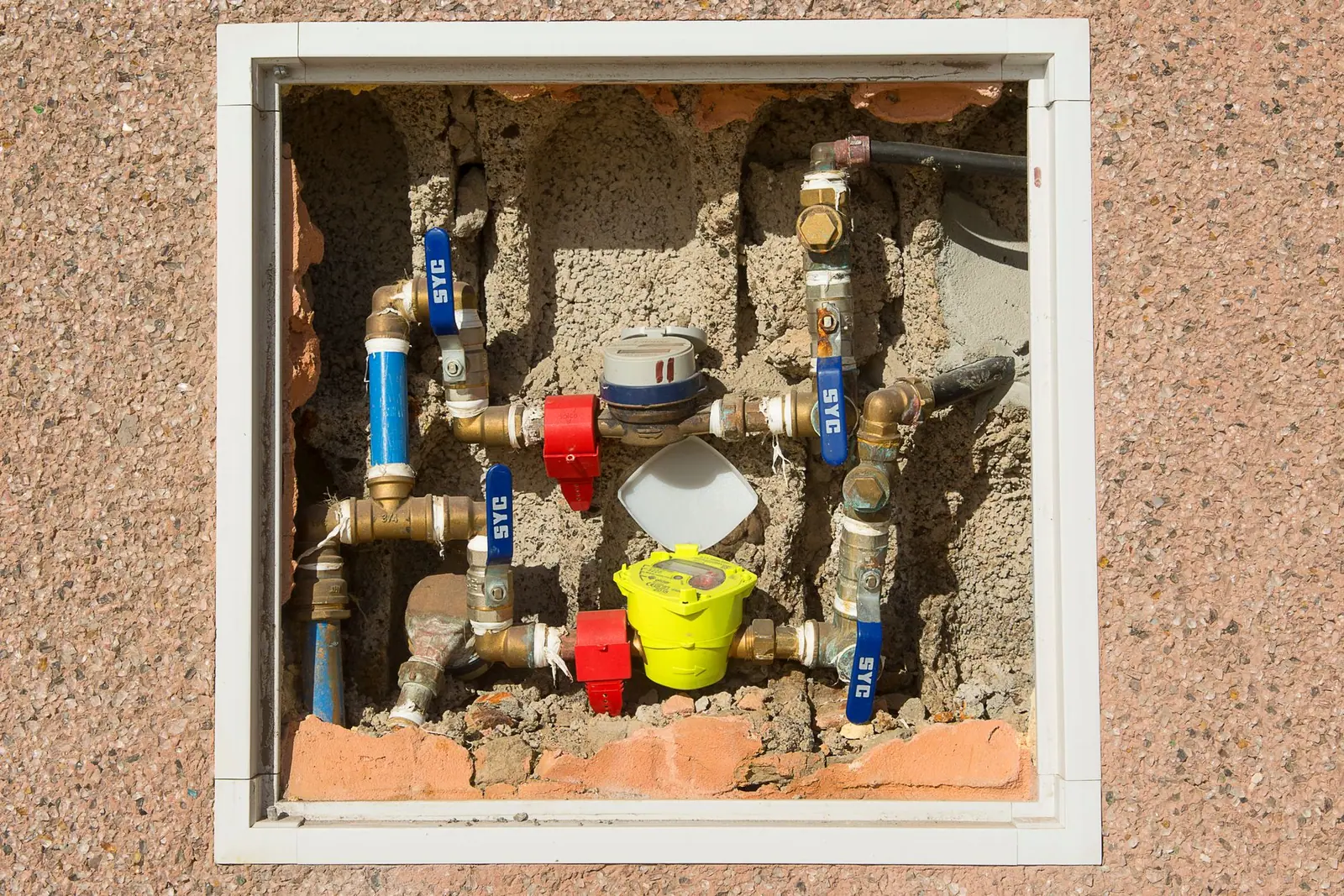
Bulgaria's regional development ministry has started a full review of all water and sewerage companies and will issue each one a "passport", deputy minister Pavleta Pelovska said. The passport will show the real risks in each company, what must change in how it is run and where to invest money.
Pelovska presented the ministry's plans at the annual conference of the Bulgarian water association BULAQUA, held under the motto "Smart Water: An Investment in the Future".
The review is the first step and is already under way. The ministry is also building a single database and an interactive geographic platform on water risk and the resilience of the water and sewerage sector.
"The whole model of running the water and sewerage sector needs to change," Pelovska said. She said the sector should be seen as one connected system, not a sum of separate problems, as it has been over the years. Today much of the effort goes into reacting once trouble has already struck: a breakdown, cut-off water, an emergency repair.
The ministry will work in four areas: better control of running costs, less water lost, lower electricity use and the companies' own power generation.
"We have to start looking at what happens after a facility goes into operation, and whether water losses have really fallen," the deputy minister said. Besides losses, she wants officials to check how often breakdowns happen after a facility opens, whether running and maintenance costs have dropped, and whether people get better water without interruptions. These figures will show whether an investment has paid off.
The aim is to free up, step by step, part of the money that is now spent with little benefit, Pelovska added. It should go to new investment, to maintenance and to keeping skilled staff, which is what the system really needs.
Pelovska proposed a structured dialogue of experts between the responsible institutions. She said there must be a permanent way for the state, water companies, professional bodies, scientists, designers and technology firms to work together.
The experts should draw up joint rules for assessing the condition of pipes and equipment and for managing water losses. They will also discuss whether the money spent gives results and what risks the systems face. The finished solutions will then be tested on the ground in pilot projects.





Comments (1)
Павлета Пеловска, значи? Какво ли ще излезе от това накрая?